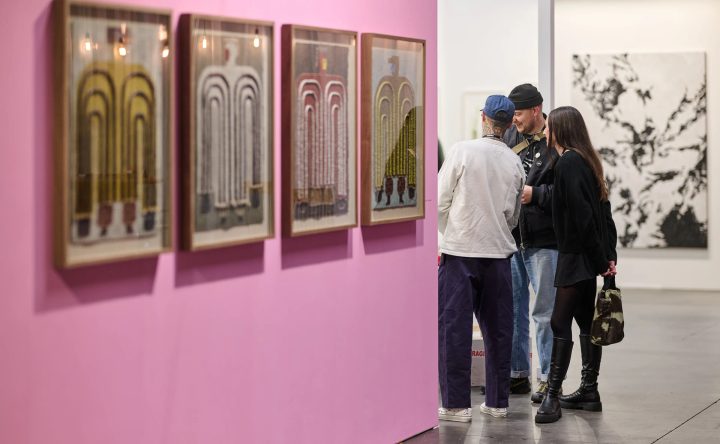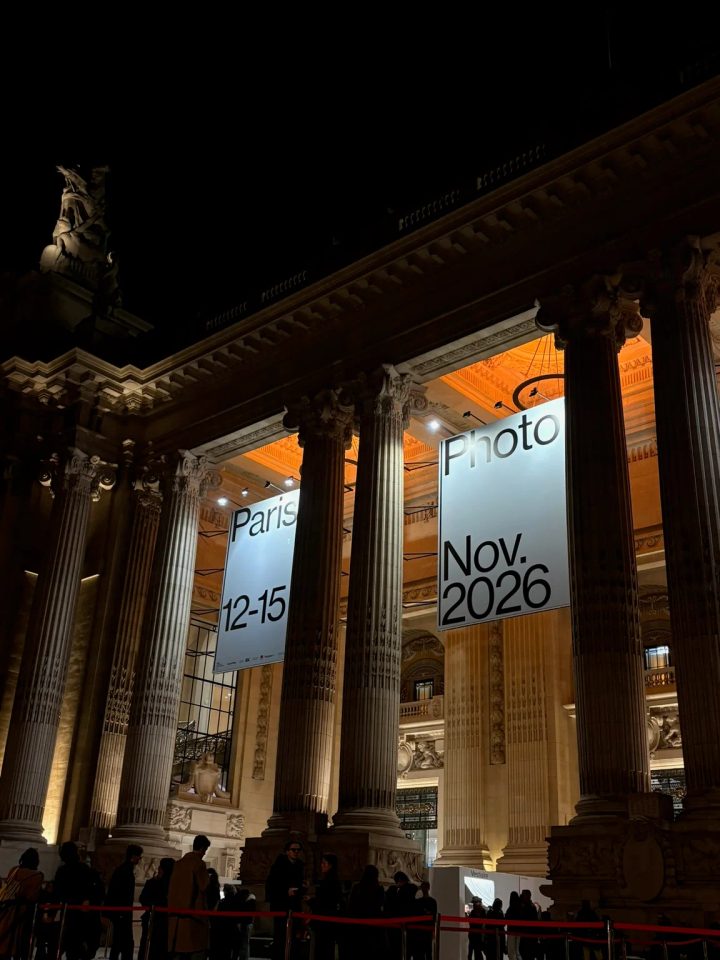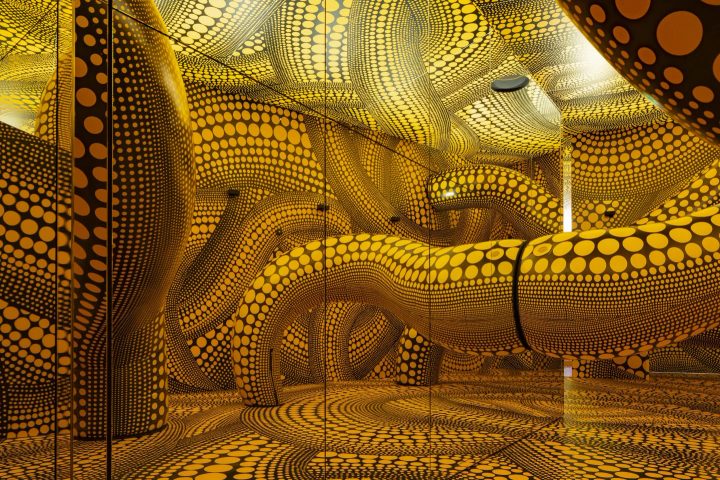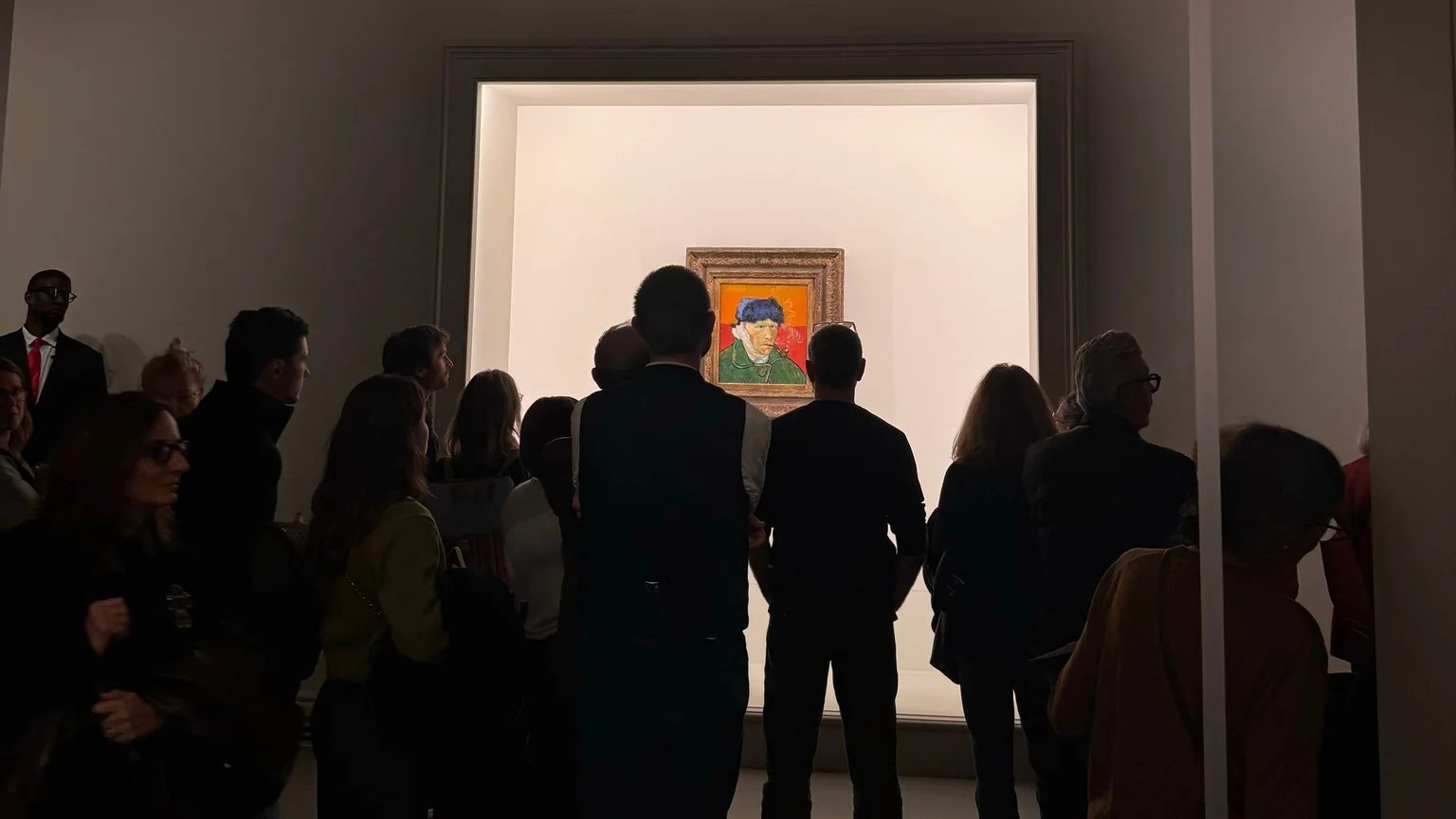
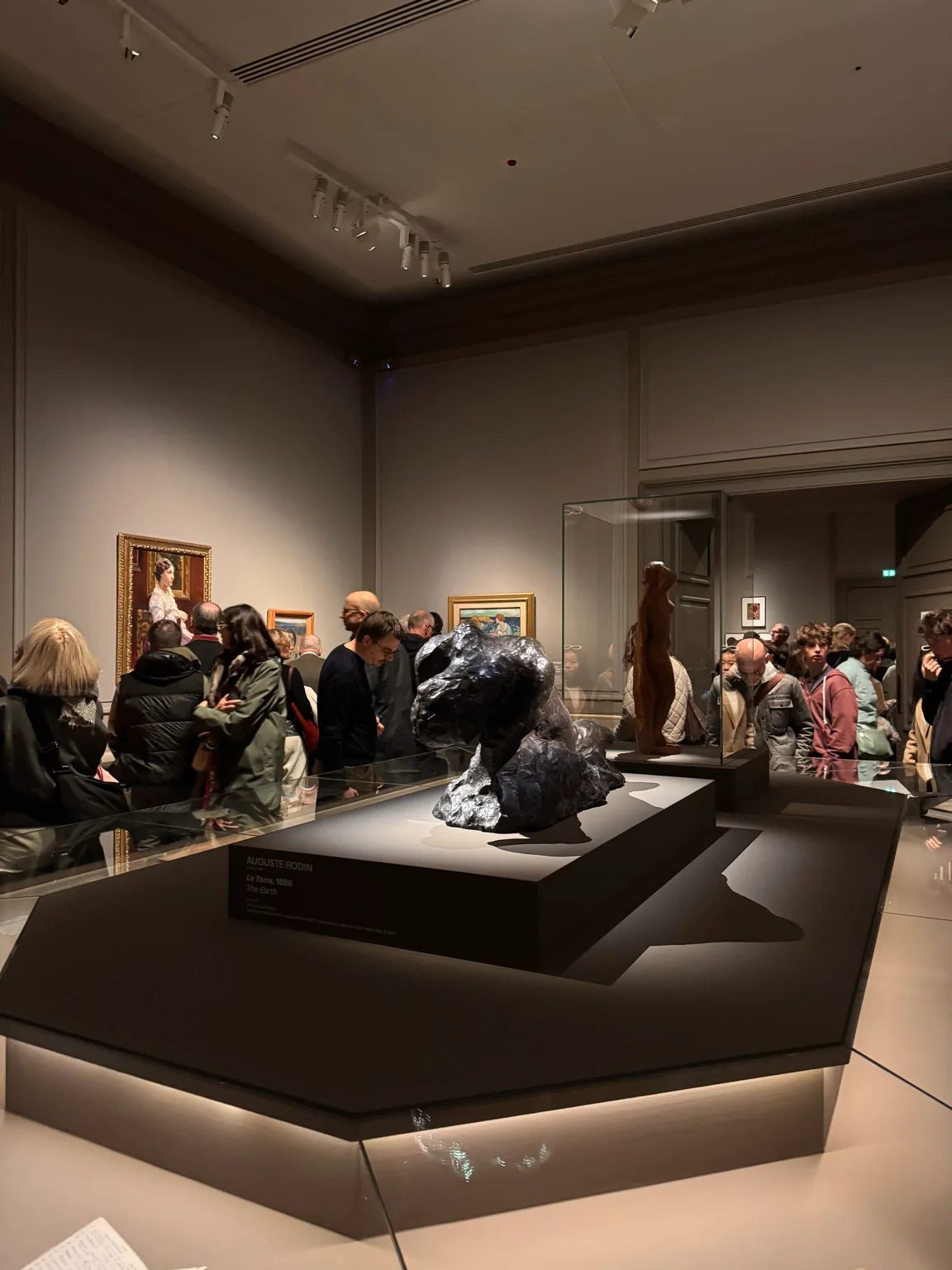
When we visited the Gustave Fayet exhibition at Fondation Louis Vuitton in Paris, one of the things that struck us most was how many people had come to see it. There was a queue outside and hundreds of visitors moving through the exhibition rooms, all brought together by the story of one collector. The exhibition opened on 9 October 2026 and runs until 8 March 2027.
Gustave Fayet (1865–1925) was a French winegrower, entrepreneur, artist and one of the most significant collectors of modern art at the beginning of the 20th century. More than 750 works passed through his collection. More than a century after Fayet’s death, Fondation Louis Vuitton has reunited over 250 works from his collection, including pieces by Vincent van Gogh, Paul Gauguin and Odilon Redon, alongside hundreds of Fayet’s own creations. Seeing them together gives a sense of how his interests as an artist informed the collection he built.
What Fayet Teaches Us About Collecting
Fayet developed his own artistic vision, supported artists at important moments in their careers and created opportunities for their work to reach wider audiences. He also kept records that help us understand how his collection changed over time. Six lessons from his example still speak to collectors, artists and galleries today.
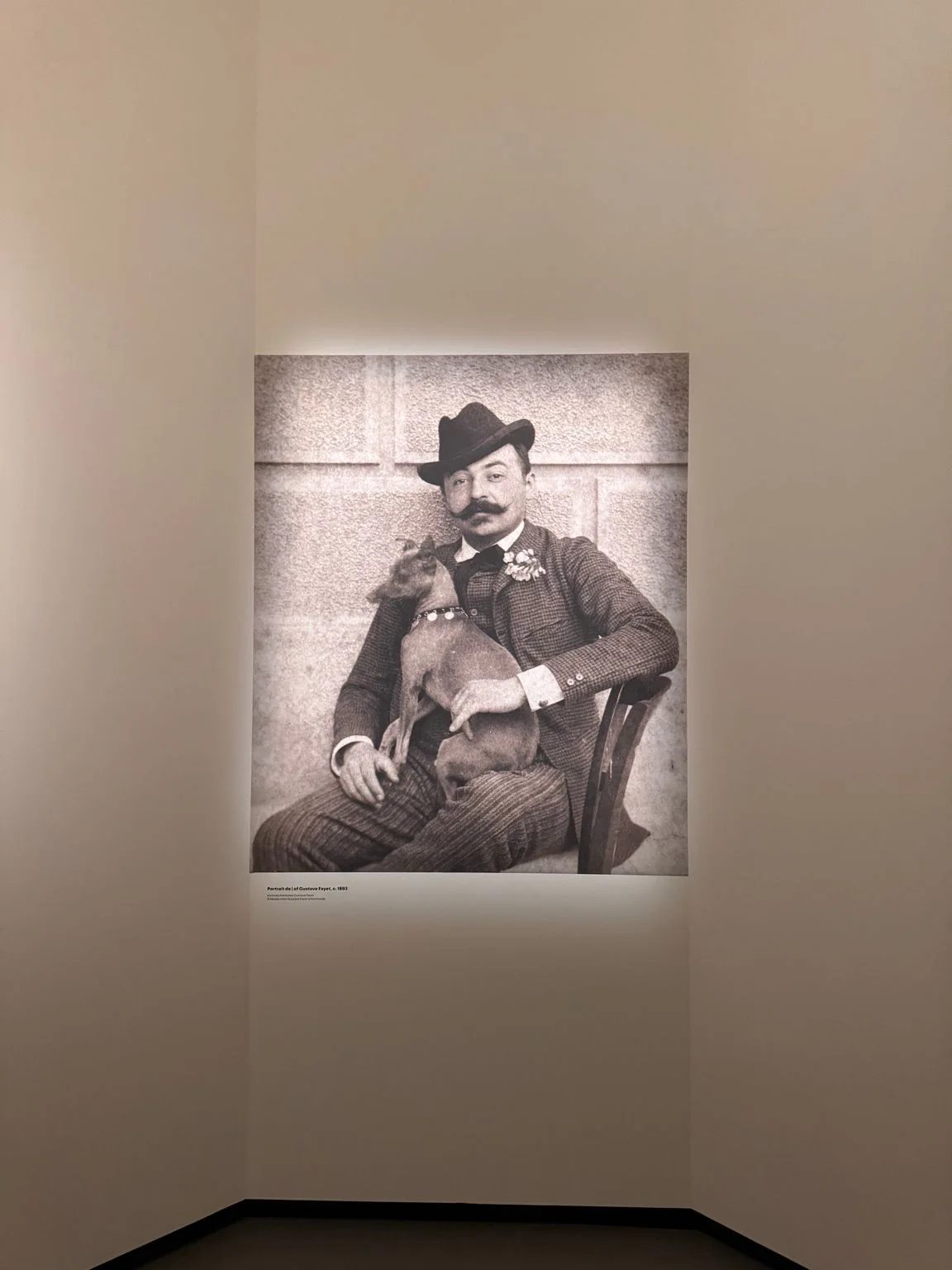
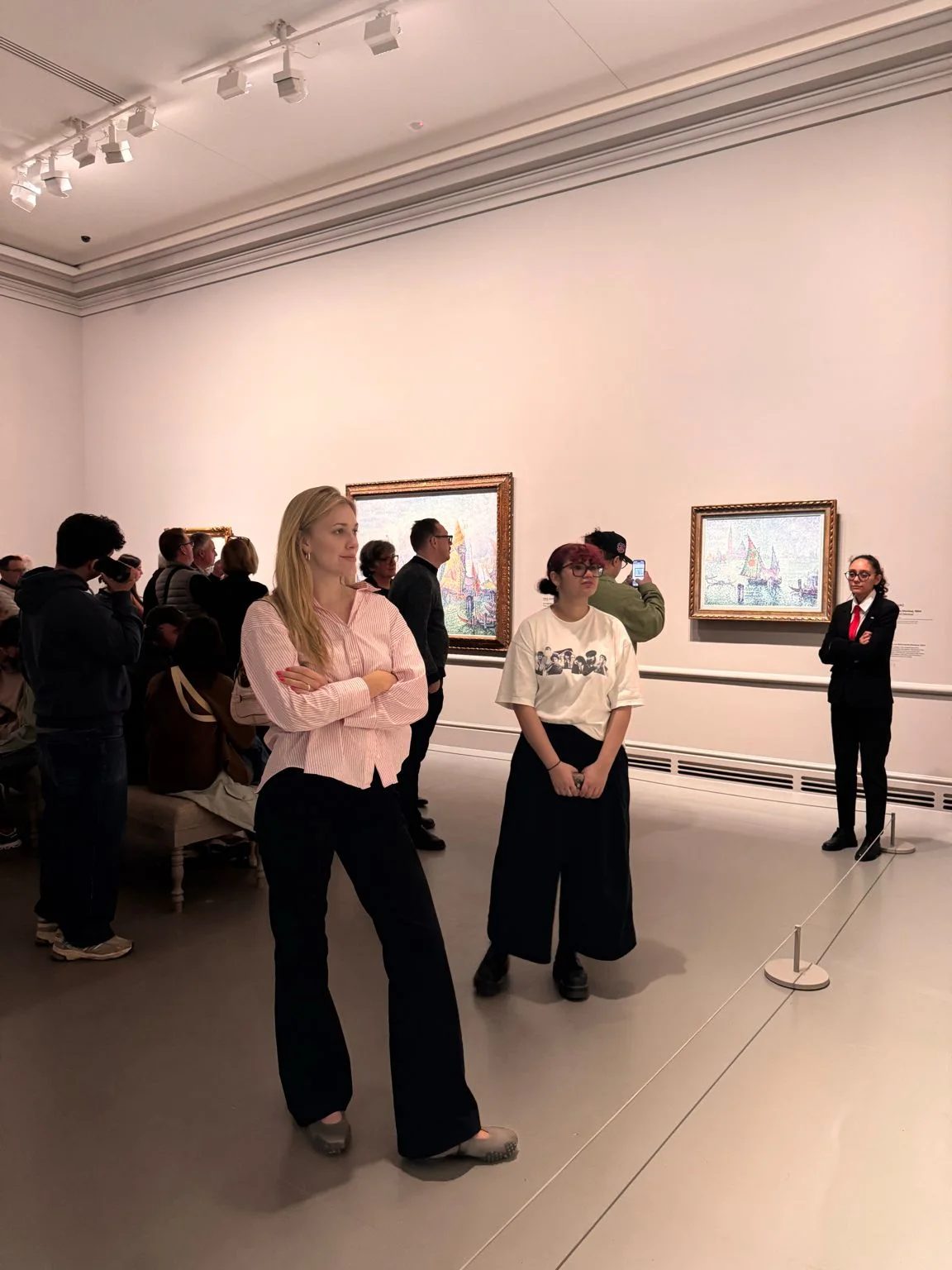
1. Develop your own eye and collect with curiosity
Fayet began collecting modern art in 1899 with works by Monet, Renoir, Degas and other Impressionists. He came from a wealthy family of winegrowers and landowners in southern France and had an artistic education of his own. Between 1901 and 1909, he acquired 16 works by Vincent van Gogh, drawn especially to the colour and light of his Provençal landscapes.
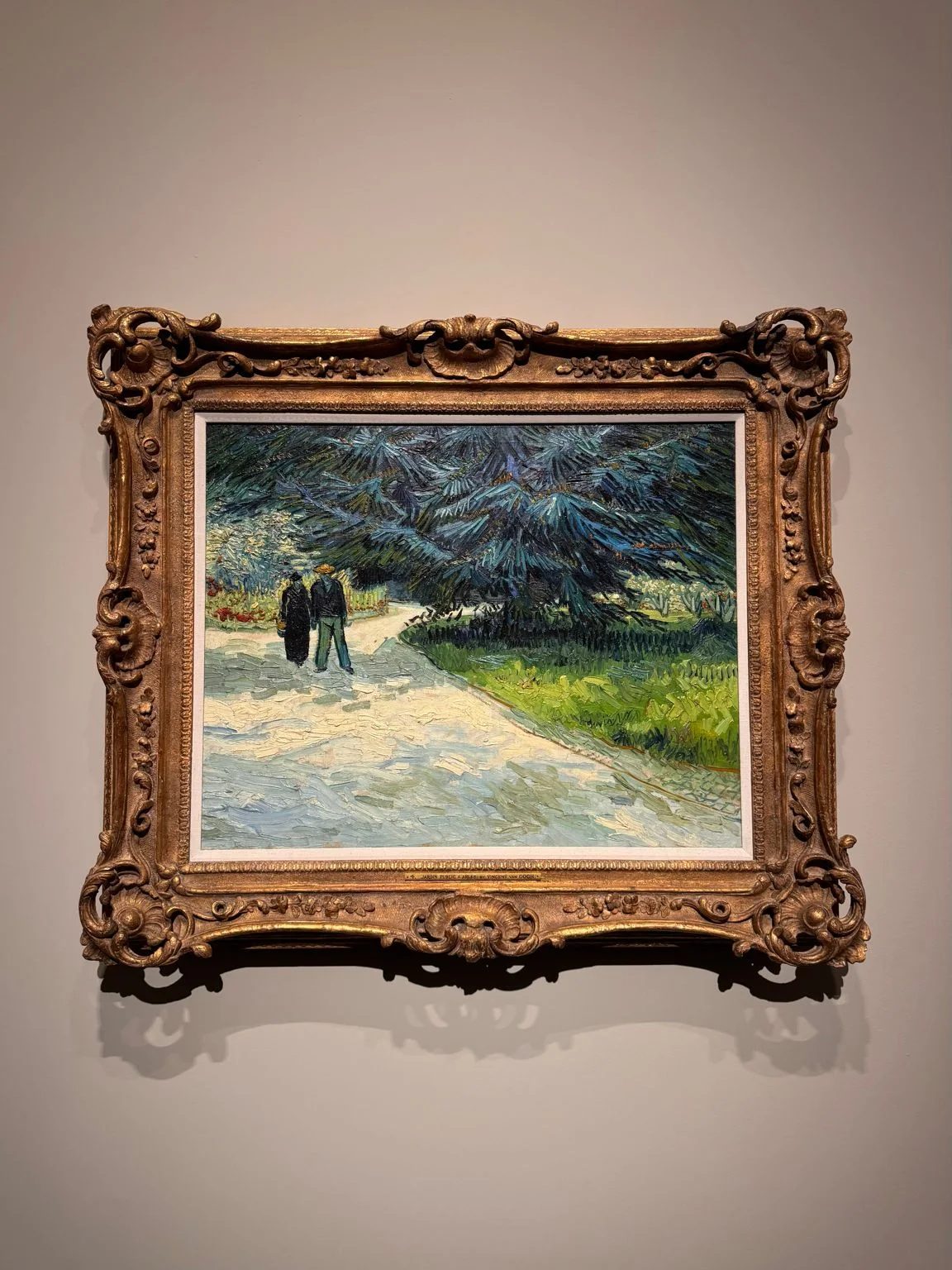
Van Gogh had sold few paintings by the time he died in 1890. His reputation grew through the efforts of artists, dealers, early collectors and his sister-in-law Johanna van Gogh-Bonger. Fayet bought Public Garden in Arles in 1901 and Self-Portrait with Bandaged Ear and Pipe the following year. He kept both for life. The self-portrait hung in his bedroom, and he lent it for exhibitions. Seeing it at Fondation Louis Vuitton, on view in France for the first time since 1937, made that personal choice easier to imagine.
Fayet’s interest in Provence is a reminder that a collection can start with something specific that keeps drawing you back. Spend time with the works that hold your attention and notice what they have in common.
2. Share your art collection and help artists find their audience
Fayet eventually collected nearly 200 works by Paul Gauguin. In 1905, he set up his Gauguin salon in the family’s Paris home at 51 rue de Bellechasse. Paintings from Brittany and Polynesia hung alongside ceramics, sculpture and wood carvings.
He opened the rooms by appointment to artists, writers and collectors, including Picasso, Matisse and Paula Modersohn-Becker. As a curator in Béziers, Fayet had already helped introduce local audiences to modern art, showing Picasso’s work there in 1901.
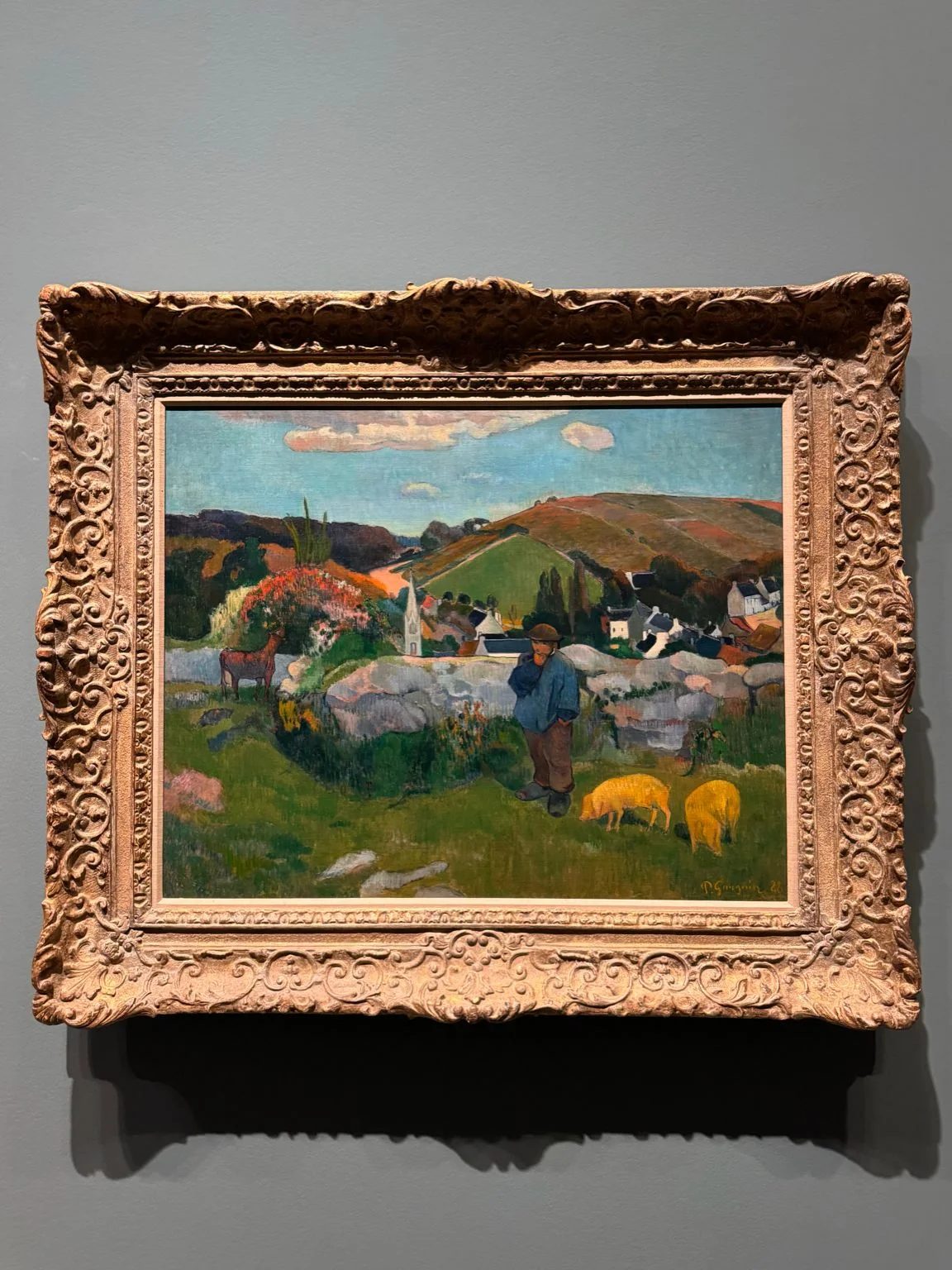
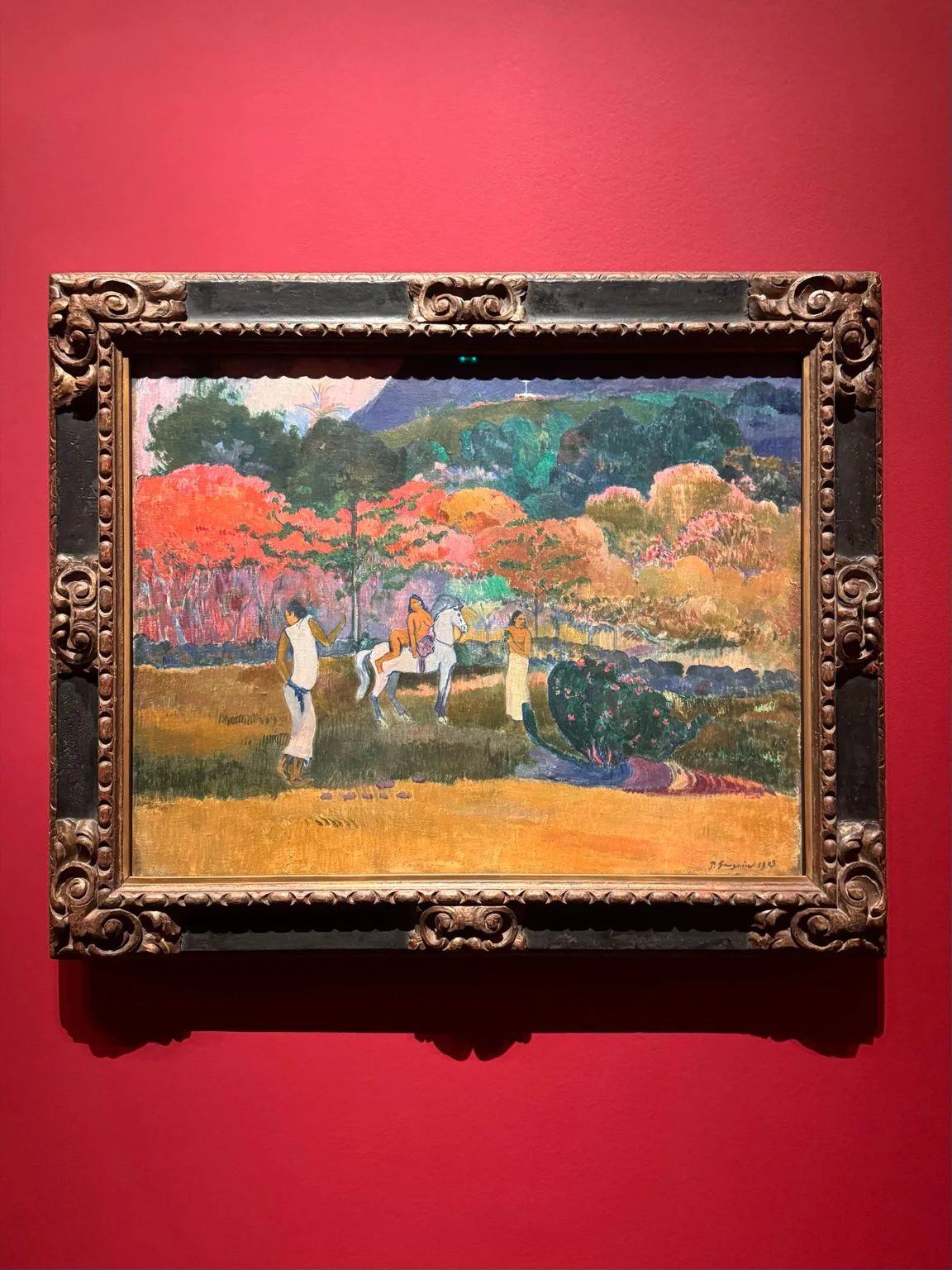
In 1906, Fayet lent 70 works to the Gauguin retrospective at the Salon d’Automne, a show that helped establish the artist’s reputation in Paris.
Today, sharing can mean lending a work to an exhibition or making selected parts of a collection accessible to others. Both give people a chance to discover art they might otherwise never encounter.
3. Build lasting relationships with artists
Fayet met Odilon Redon in 1900 and became a close friend and committed collector, eventually acquiring around 300 of his works. He followed Redon from the dark drawings and lithographs known as the Noirs to his luminous pastels and paintings.
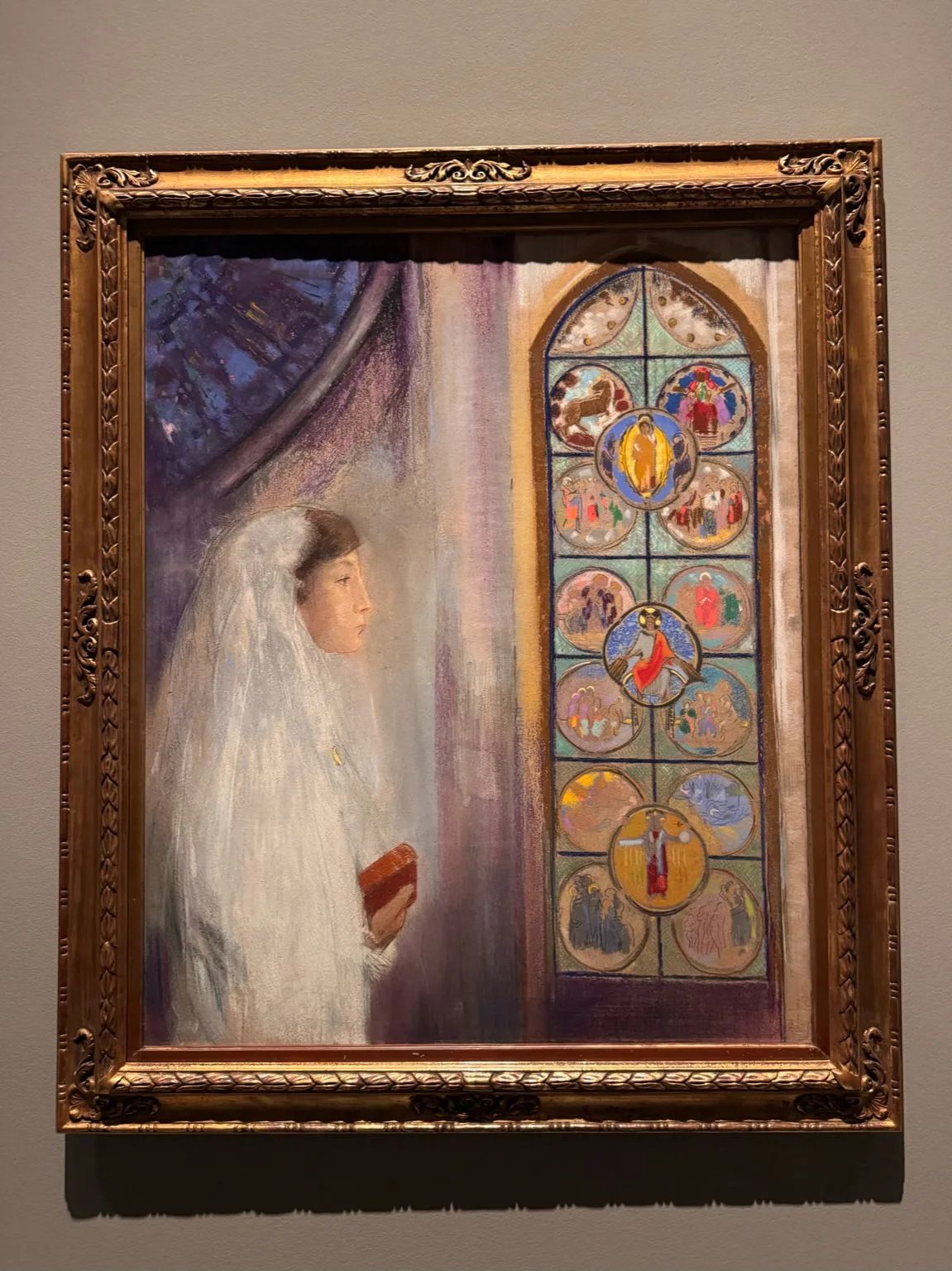
Redon painted Fayet’s daughter Simone as a child with a doll and again at her First Communion. The stained glass in the later portrait was inspired by a visit Redon and Fayet made together to Chartres Cathedral.
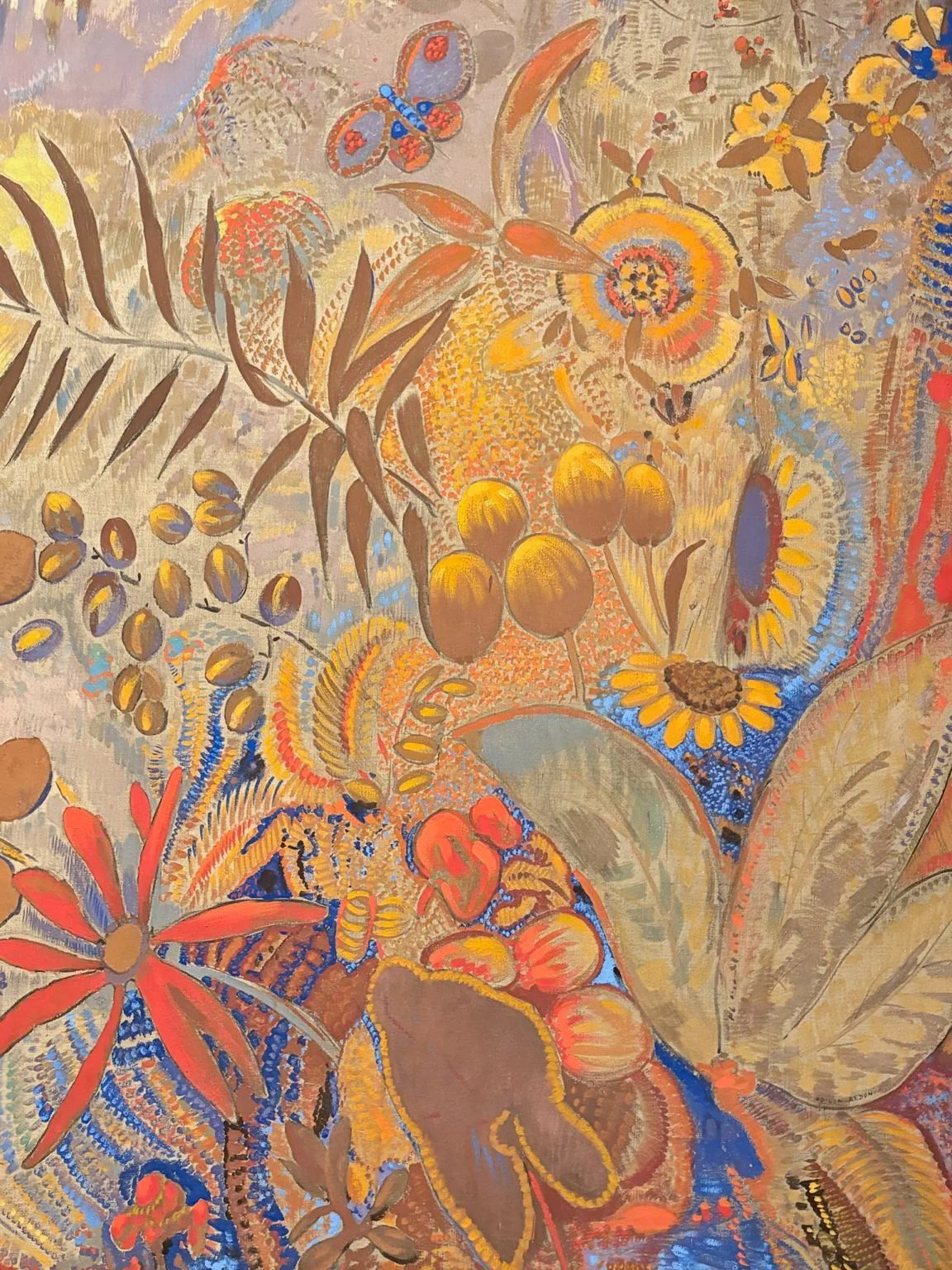
After Gustave and Madeleine Fayet bought Abbaye de Fontfroide in 1908, Fayet commissioned Redon to decorate its library. Redon’s Day and Night, installed in 1911, transformed the room.
Getting to know an artist over time can open up new possibilities. In Fayet’s case, it meant giving Redon an entire room to work with.
4. Make art part of everyday life
At Fontfroide, Fayet brought modern paintings into rooms alongside historic furniture and ceramics. He painted, worked with clay and designed wallpapers and fabrics. Collecting and making art fed into the way he furnished his homes.
From around 1912, Fayet made watercolours on blotting paper, letting the paint spread into shapes that became designs for wallpaper and fabric. His carpet workshop, the Atelier de la Dauphine, used the same watercolours as patterns. Jeanne Lanvin commissioned four carpets for her Paris townhouse in 1923. His friend André Suarès described him as someone who “did everything with art.”
Think about how art fits into the rooms and routines you already have. Where you hang a work and what you put beside it become part of how you live with a collection.
5. Let your collection evolve
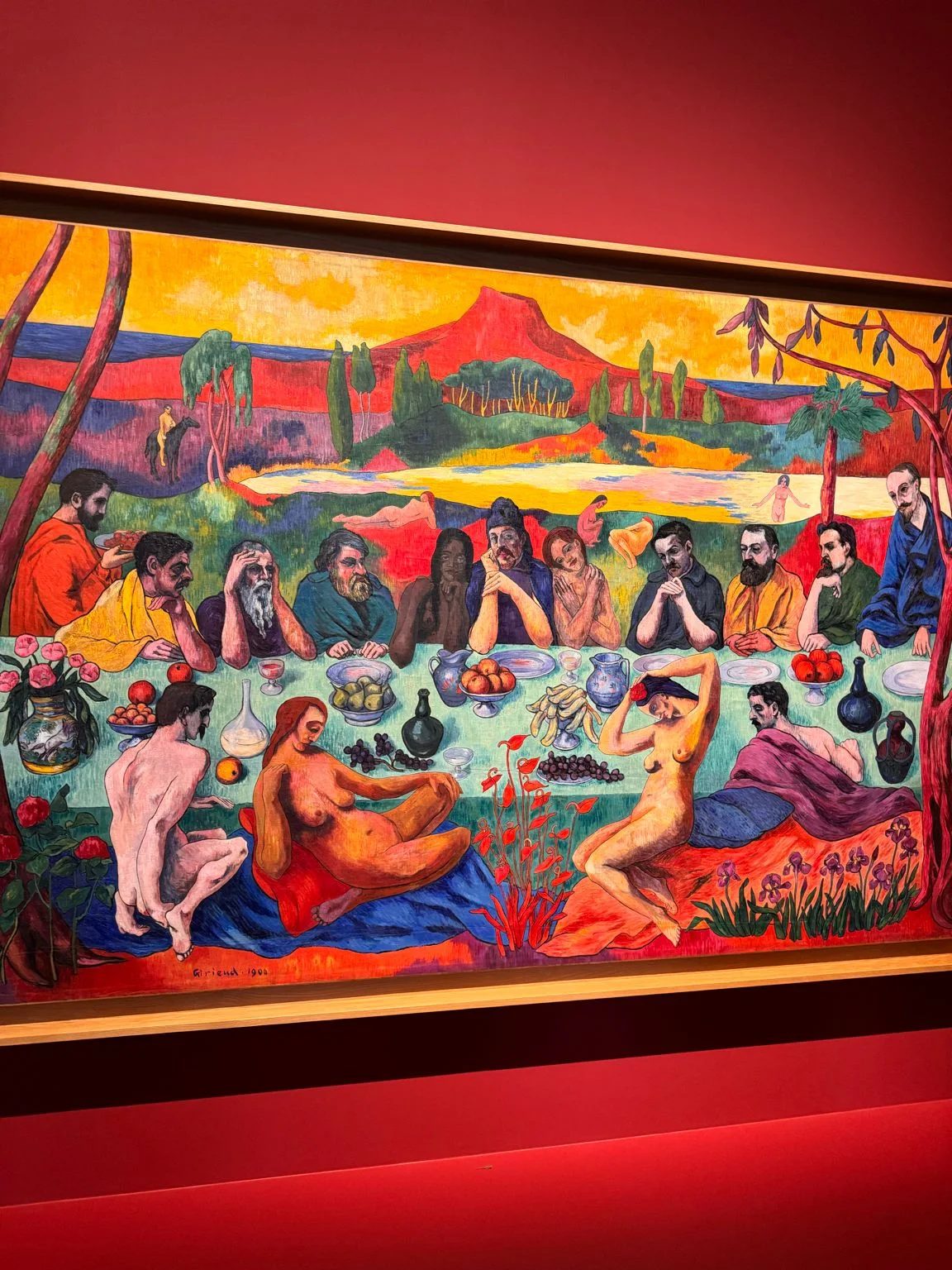
In Pierre Girieud’s Hommage à Gauguin, painted for the 1906 retrospective, Fayet appears among Gauguin’s admirers. He posed for Girieud and lent him Gauguin’s self-portrait to use as a model. Around the same Salon d’Automne, Fayet bought eleven works by Matisse and resold several within weeks.
Fayet also exchanged many of his early Impressionist purchases as he grew more interested in artists such as Toulouse-Lautrec. A journalist reported hearing Fayet rank Cézanne alongside Rembrandt. Fayet began collecting Cézanne in 1900, assembled about ten works and sold them in 1910. Eight Van Gogh paintings stayed with him until his death.
The works Fayet kept show what held his attention over decades. His sales and exchanges show when he was ready to change direction. If you part with a work, write down what first drew you to it and why you’re ready to let it go. Over time, those notes show how your eye developed.
6. Document your art collection and preserve its history
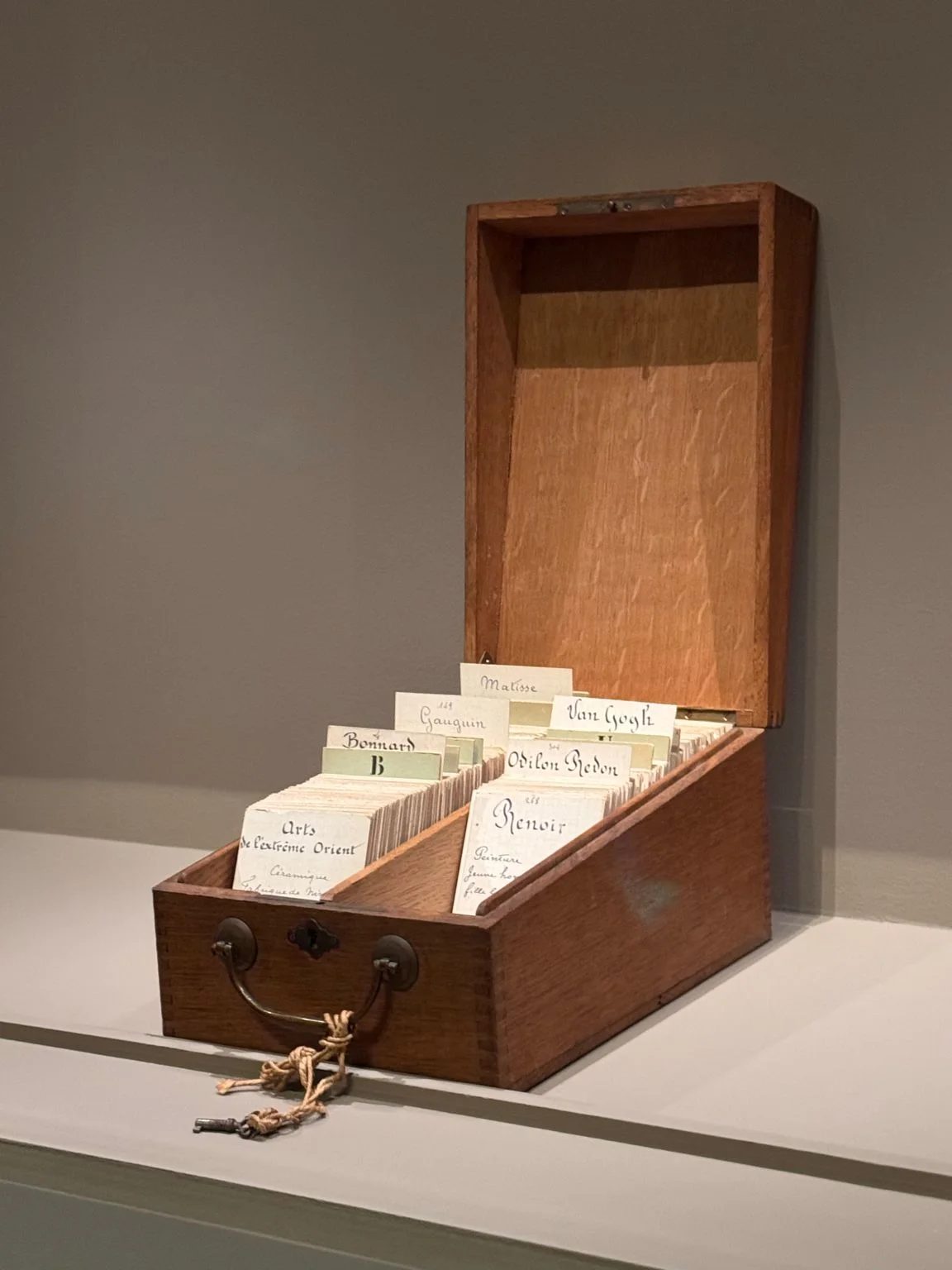
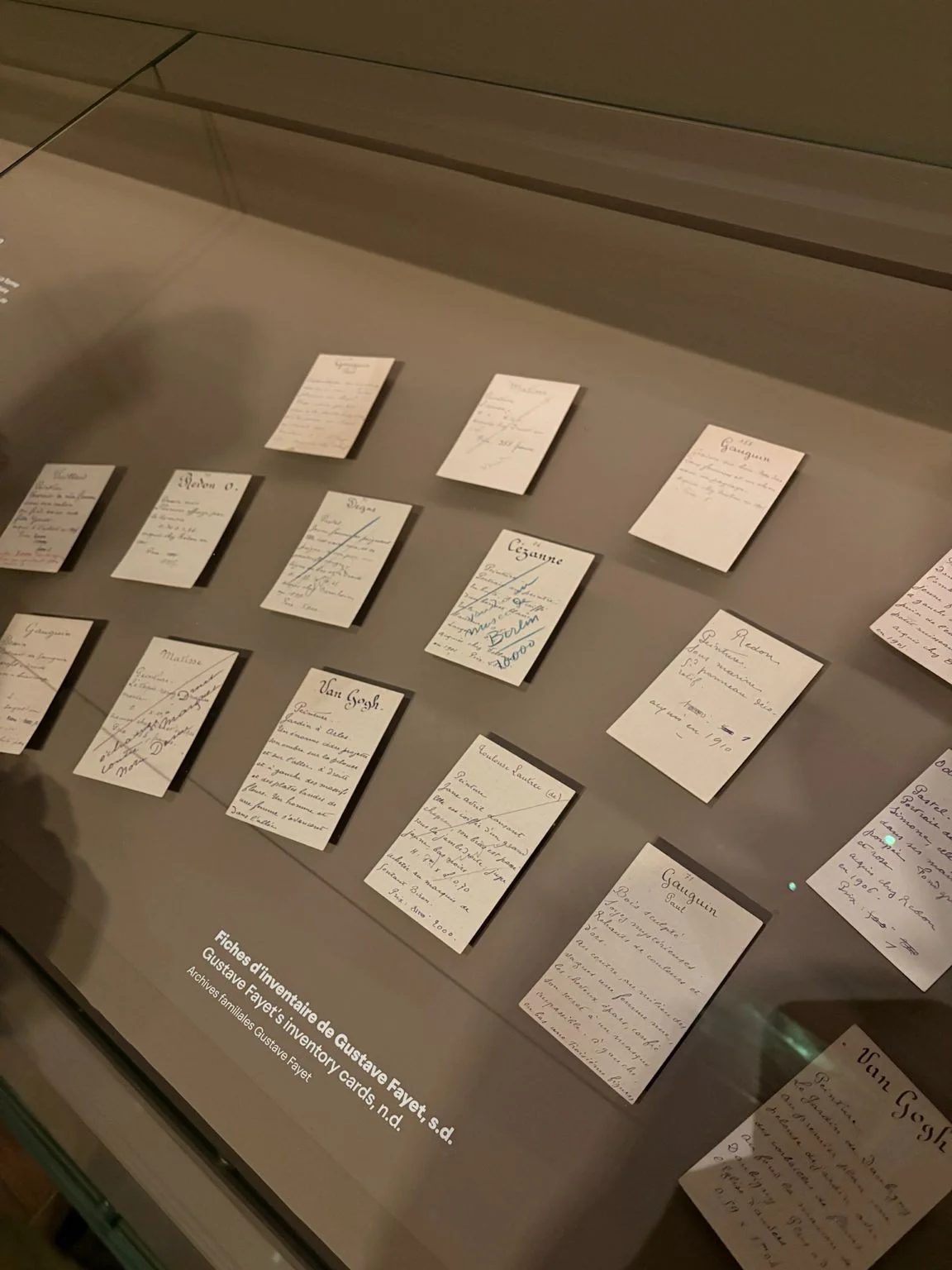
One of our favourite moments in the exhibition was seeing a wooden box filled with handwritten inventory cards filed by artist. Names such as Bonnard, Gauguin, Van Gogh and Redon appear on the cards. They show the day-to-day work of keeping track of a collection as it grows and changes.
After Fayet died in 1925, the collection was dispersed. The works found their way into museums and private collections. Researchers spent years tracing the artworks and the documents that connected them, making it possible to bring so many of them together again.
For collectors today, maintaining consistent inventory numbers is a useful start. Keep photographs, provenance, purchase records and any notes about why you chose a work. Those details give the next person a way to understand the decisions behind a collection.
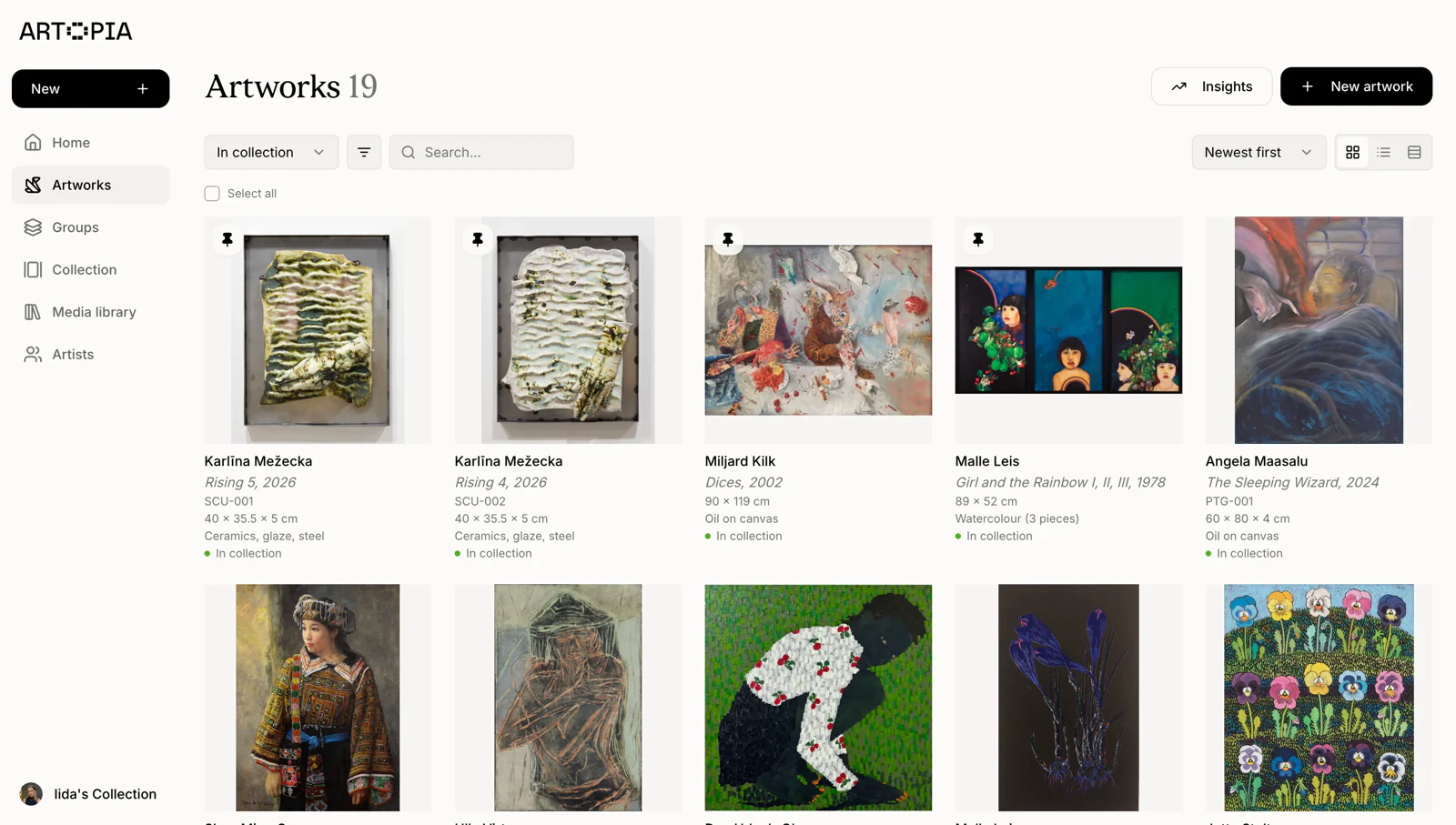
If you’re building a collection of your own, Artopia gives you a place to keep artwork details, photographs and provenance together, so the story stays with each work.
Why exhibitions celebrating art collectors matter
Leaving Fondation Louis Vuitton, we kept thinking about the extraordinary scale of the exhibition and how remarkable it was to see so many people gathered around the story of a collector. More than a hundred years ago, Fayet was making decisions about which artists to support, which paintings to bring into his home and which works he wanted others to discover. Today, those decisions are being revisited across an entire museum, introducing new audiences to the person who once collected them.
Fayet's exhibition also belongs to a broader tradition of major institutions celebrating the collectors who helped shape art history. In 2019, Fondation Louis Vuitton presented The Courtauld Collection: A Vision for Impressionism, bringing together around 110 works and exploring the legacy of British collector and philanthropist Samuel Courtauld. Similarly, The Steins Collect: Matisse, Picasso, and the Parisian Avant-Garde, presented internationally in 2011–2012, reunited approximately 200 works to reveal how Gertrude Stein and her family helped support and popularise modern art.
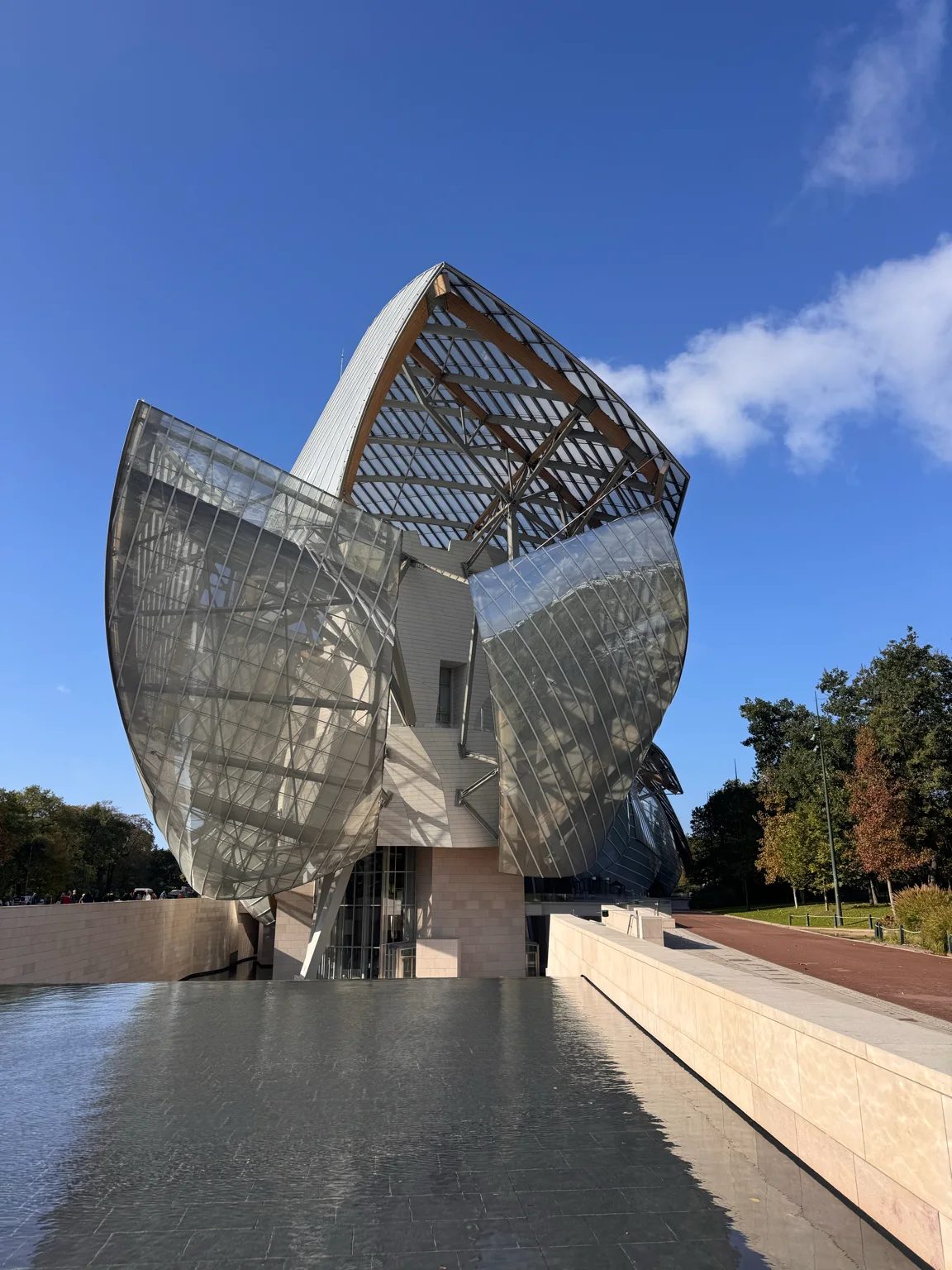
What connects these exhibitions is not only the extraordinary quality of the artworks, but the recognition that collecting itself has a history worth telling. Each collection reflects a particular moment in time, shaped by individual taste, relationships, opportunities and sometimes considerable risk. Bringing these collections together again allows us to see familiar artworks from a different perspective, revealing the people and decisions that contributed to their recognition.
We hope to see more exhibitions like this, recognising collectors not simply as owners of important works, but as people who contribute meaningfully to artistic culture. Behind many great collections is a story of curiosity, conviction, friendship and care, often unfolding over decades and extending far beyond the collector's lifetime.
If you’re in Paris, we’d recommend visiting the exhibition at Fondation Louis Vuitton. Perhaps that is one of the most beautiful things about collecting, artworks have their own histories, but so do the people who believed in them. Sometimes, the story of the collector becomes part of art history itself.