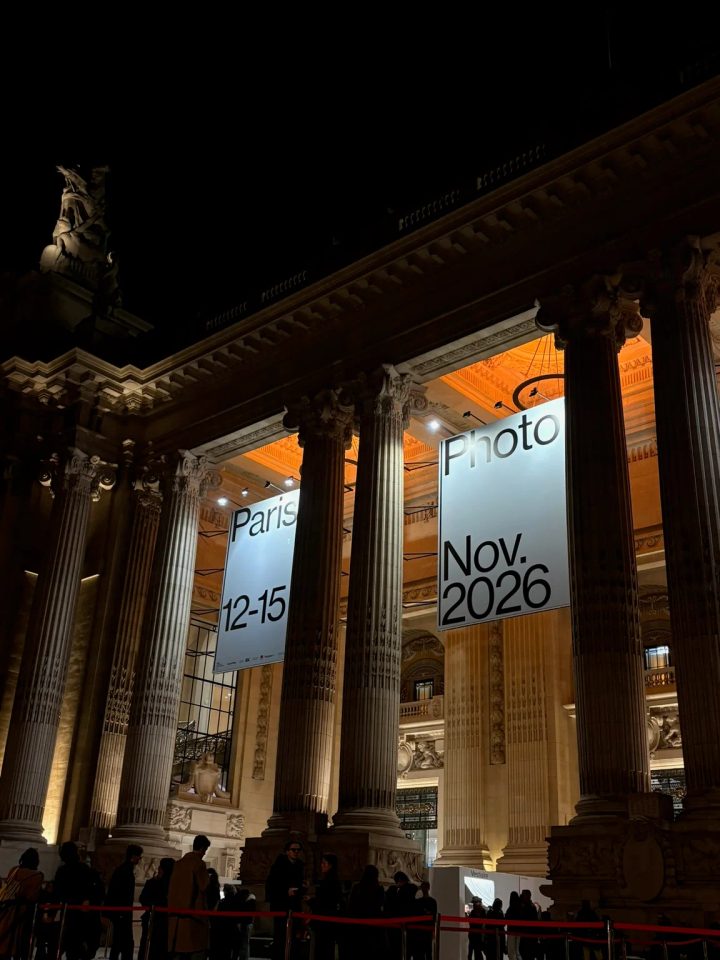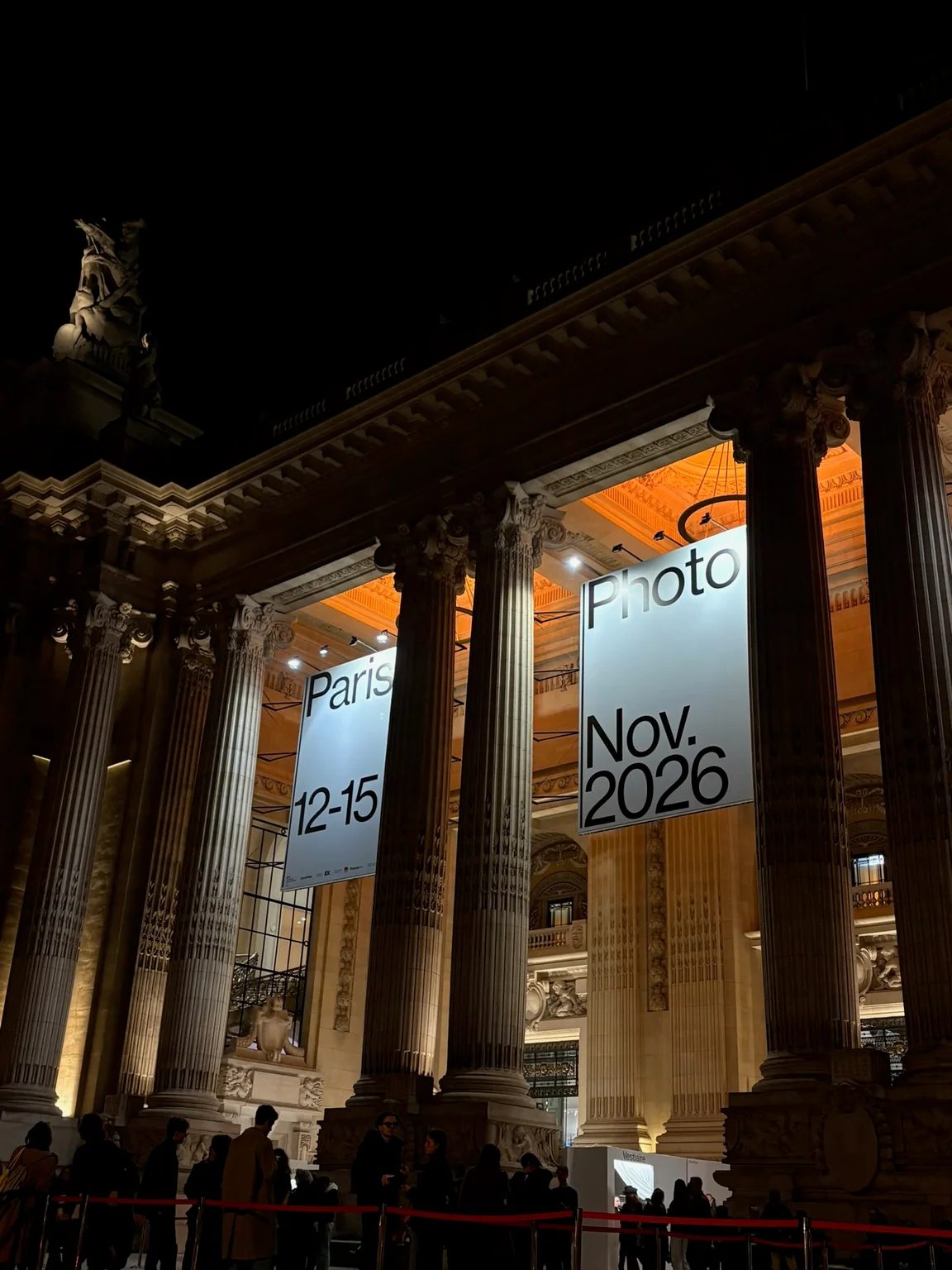
Just a couple of weeks after wrapping up Art Basel and Paris Art Week, we found ourselves once again at the Grand Palais. This time, it was for the 29th edition of Paris Photo, one of the leading international art fairs dedicated to photography and image-based art.
Bringing together 246 exhibitors from 38 countries, including 199 galleries and 48 publishers, the 2026 edition coincided with the bicentenary of photography. The anniversary offered an opportunity to reflect on the medium’s history and the transformations it has undergone. By presenting some of photography’s earliest processes alongside contemporary practices, Paris Photo brought different moments in the medium’s development into conversation.
Alongside the fair, the programme included conversations, book talks and signings, an exhibition drawn from the Centre Pompidou’s photography collection, the Elles × Paris Photo programme dedicated to women photographers, partner exhibitions and more.
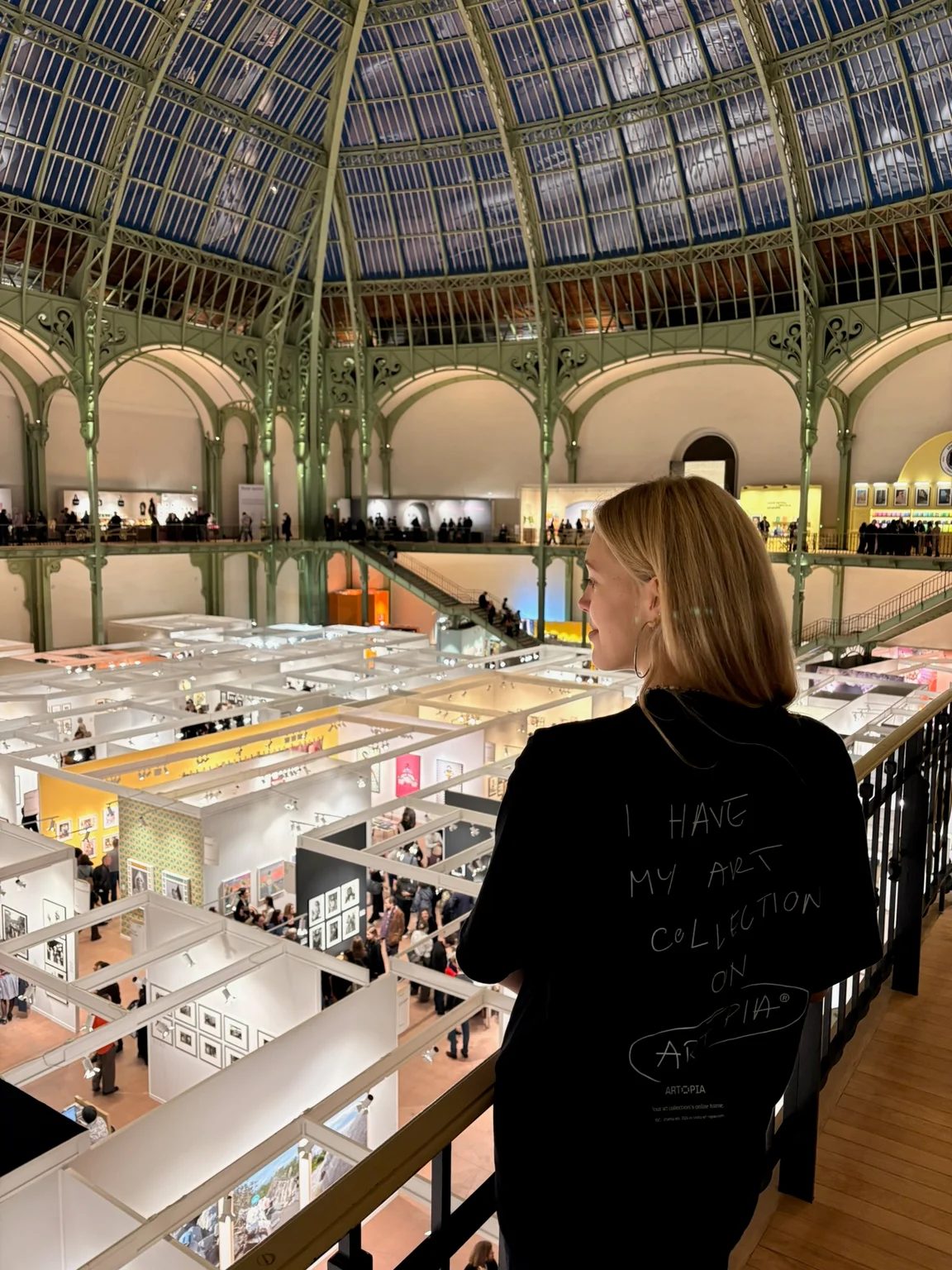
Paris Photo was organised across five sectors. The Main Sector brought together 152 galleries from 32 countries and included four Prismes projects designed specifically for the Grand Palais. The Voices Sector, curated by Zasha Colah and Francesco Zanot, explored the theme of Disappearance through a selection of historical and contemporary practices. The Digital Sector, curated by Marco De Mutiis, focused on the ways digital technologies are transforming the production, circulation and perception of images.
The Emergence Sector presented 20 solo projects by a new generation of artists, while the Book Sector brought together 49 publishers and specialist booksellers, ranging from contemporary publications to historical and rare books. Of the different sections, the Book Sector was one of our favourites, offering a more accessible way into photographic art, its practices and circulation.
Overall, we were impressed by Paris Photo’s thoughtful curation and the breadth of its gallery and artist selection. The fair reflected the diversity of the medium and offered a thoughtful homage to its 200-year history. It was one of the more dynamic art fairs we visited this year, and one we will keep on our list for years to come. Read more about the fair on their official website.
Paris Photo Artist Highlight: Dev Dhunsi with MELK Gallery
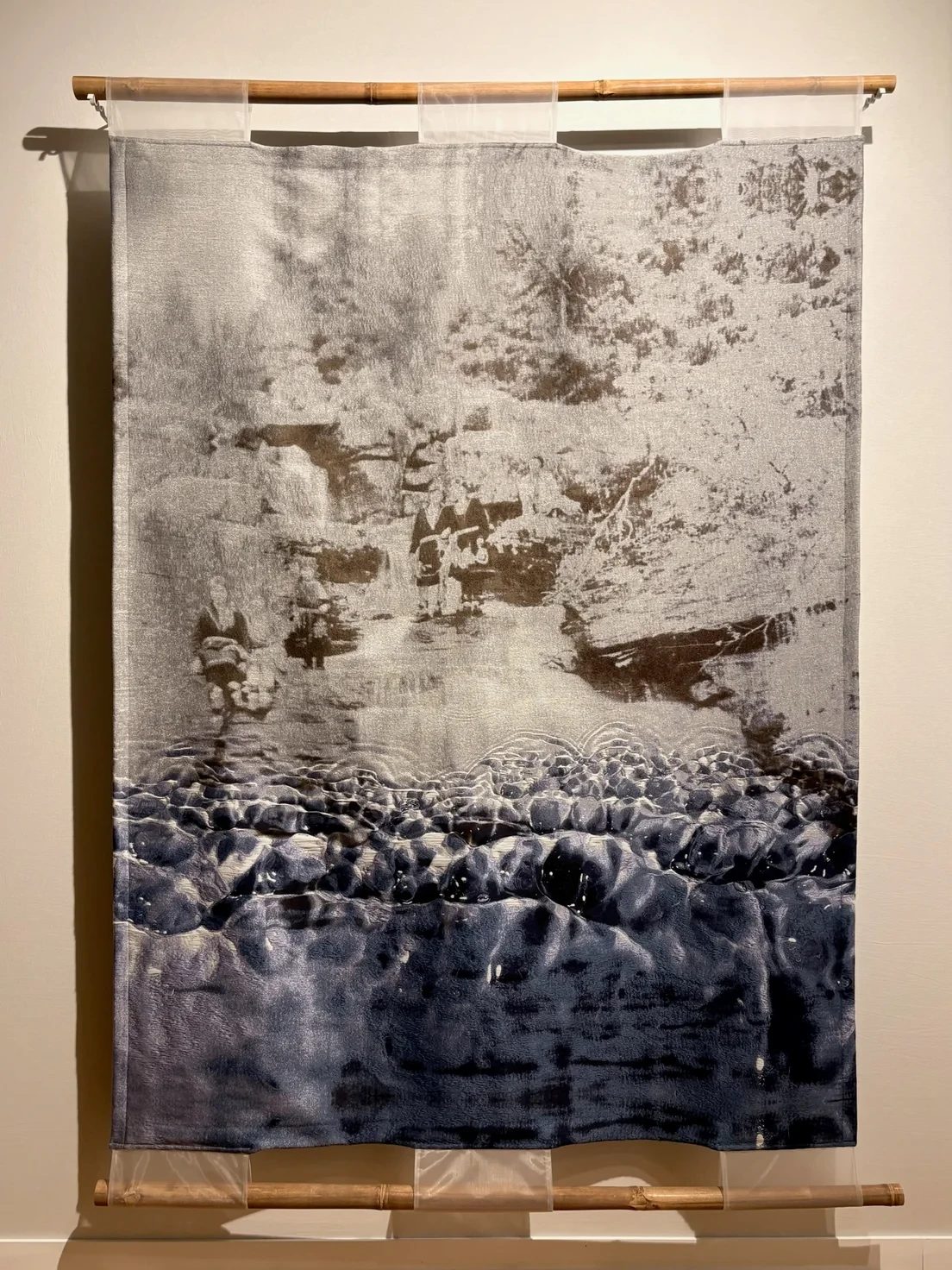
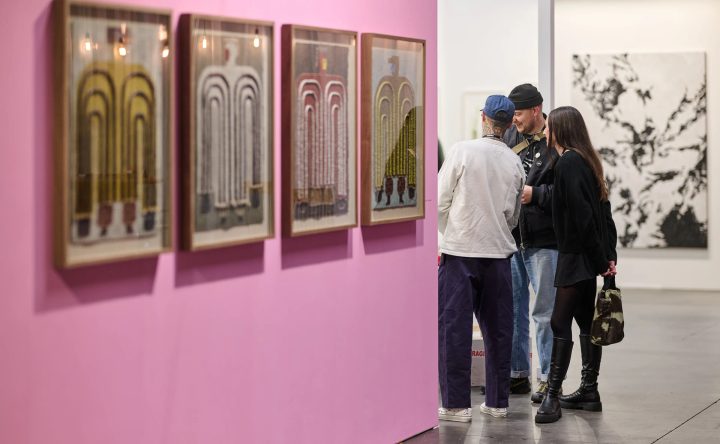
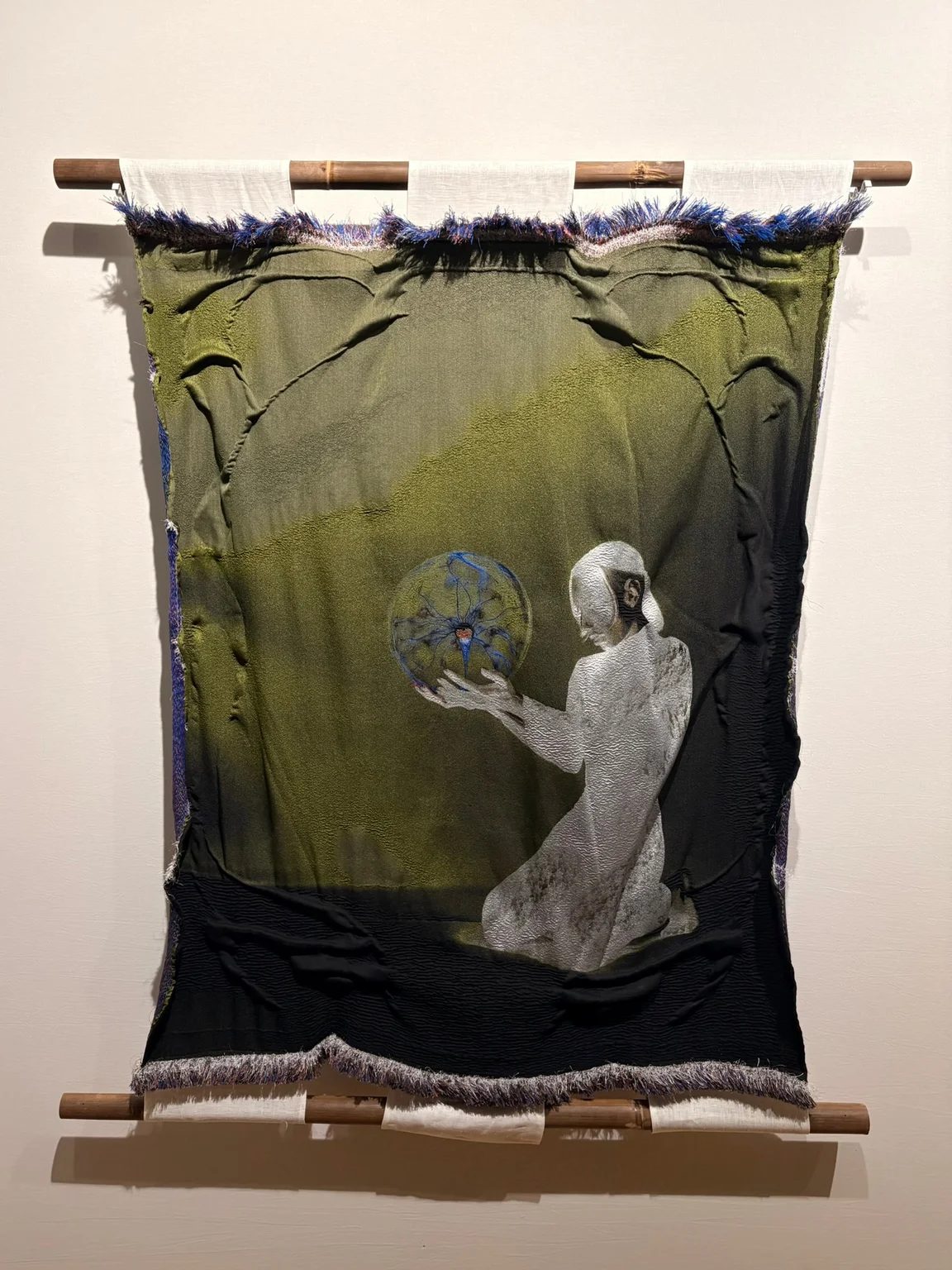
Dev Dhunsi is a Norwegian-Indian artist whose practice brings together large-scale installation, textiles, lens-based works and experimental printing techniques. At MELK Gallery’s booth, monumental pieces woven using Jacquard techniques hung from bamboo structures, evoking objects you might come across in a domestic space.
The figures, at times abstracted through negative imagery, gave the compositions a dreamy and suspended quality. Dhunsi’s works explore identity, origins and encounters between cultures, drawing on the landscapes of Scandinavia and the techno- and mediascapes of Asia. In this way, the images open onto broader sociopolitical and anthropological questions that extend beyond the frames.
What really grounds the works is their materiality. The intricate weaving invites the viewer in for a closer investigation, drawing the viewer into Dhunsi’s visual universe while keeping us aware of the physical construction of each piece. Explore more of Dev Dhunsi’s practice.
Paris Photo Artist Highlight: Mari Katayama with Galerie Suzanne Tarasieve
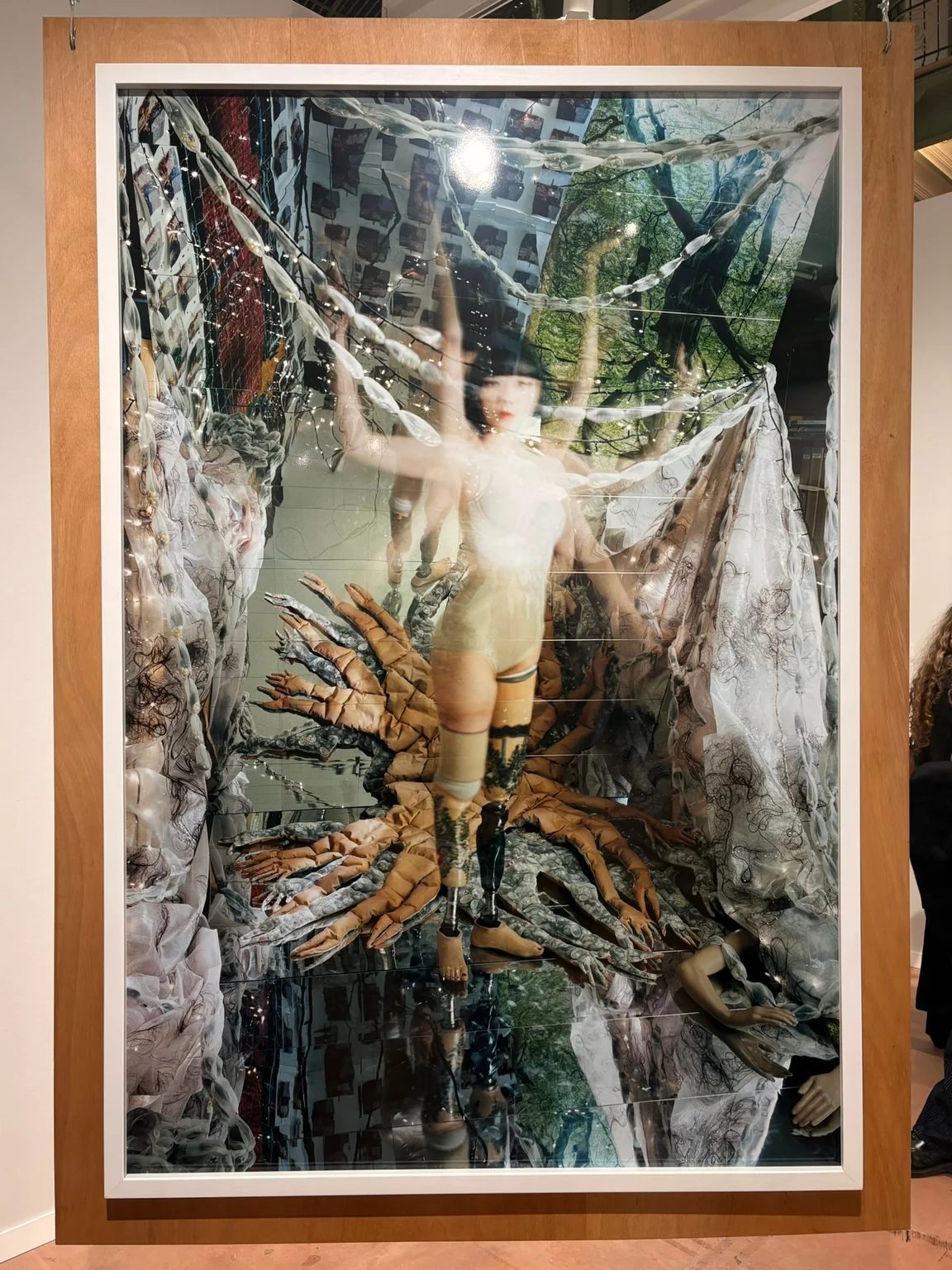
Mari Katayama is a Japanese artist whose practice encompasses installation, craft, photography, and performance. She is best known for her self-portraits, in which her own body, set against intricately crafted backdrops, becomes a living sculpture and a lens through which to reflect on society. At Paris Photo, her work was presented by Galerie Suzanne Tarasieve.
Her oeuvre, that consists of hand-sewn objects, sculptural pieces, and photographs are more often than not centered around the body, making you reflect on its complex relationship with the surrounding environment. One of Katayama’s notable projects is the High Heel Project, through which she creates high-heeled shoes for prosthetics while questioning assumptions around physical ability, accessibility, and the possibilities of social welfare.
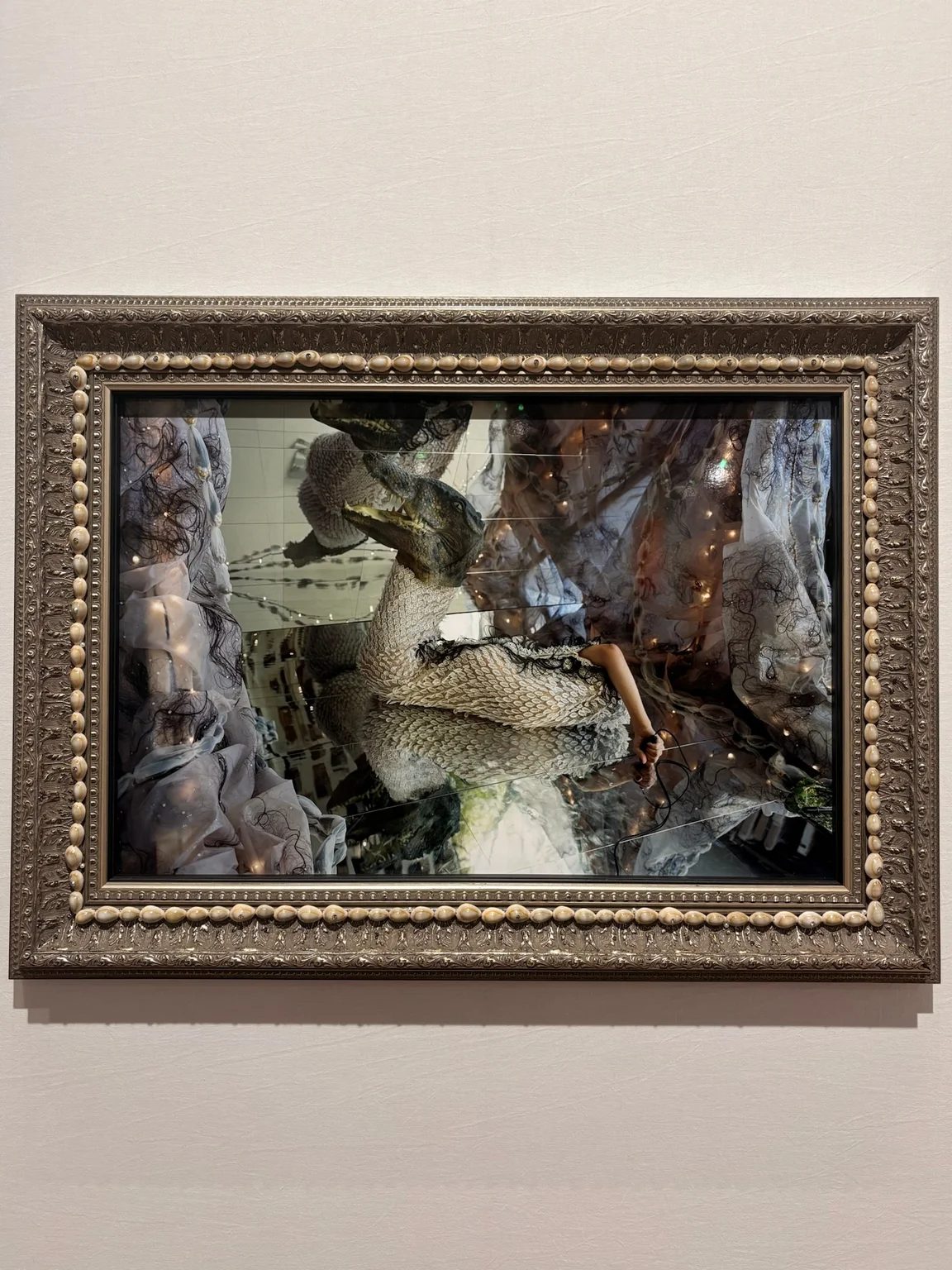
The photographs presented at Paris Photo placed Katayama’s body within intricately constructed and mystical settings, surrounded by sentimental everyday objects and hand-sewn pieces. In that way, she establishes herself as the center of the universe she has created, inviting the viewer into a deeply personal and imaginative world. Discover more of Mari Katayama’s work.
Paris Photo Artist Highlight: Ilanit Illouz with Galerie Anne-Laure Buffard
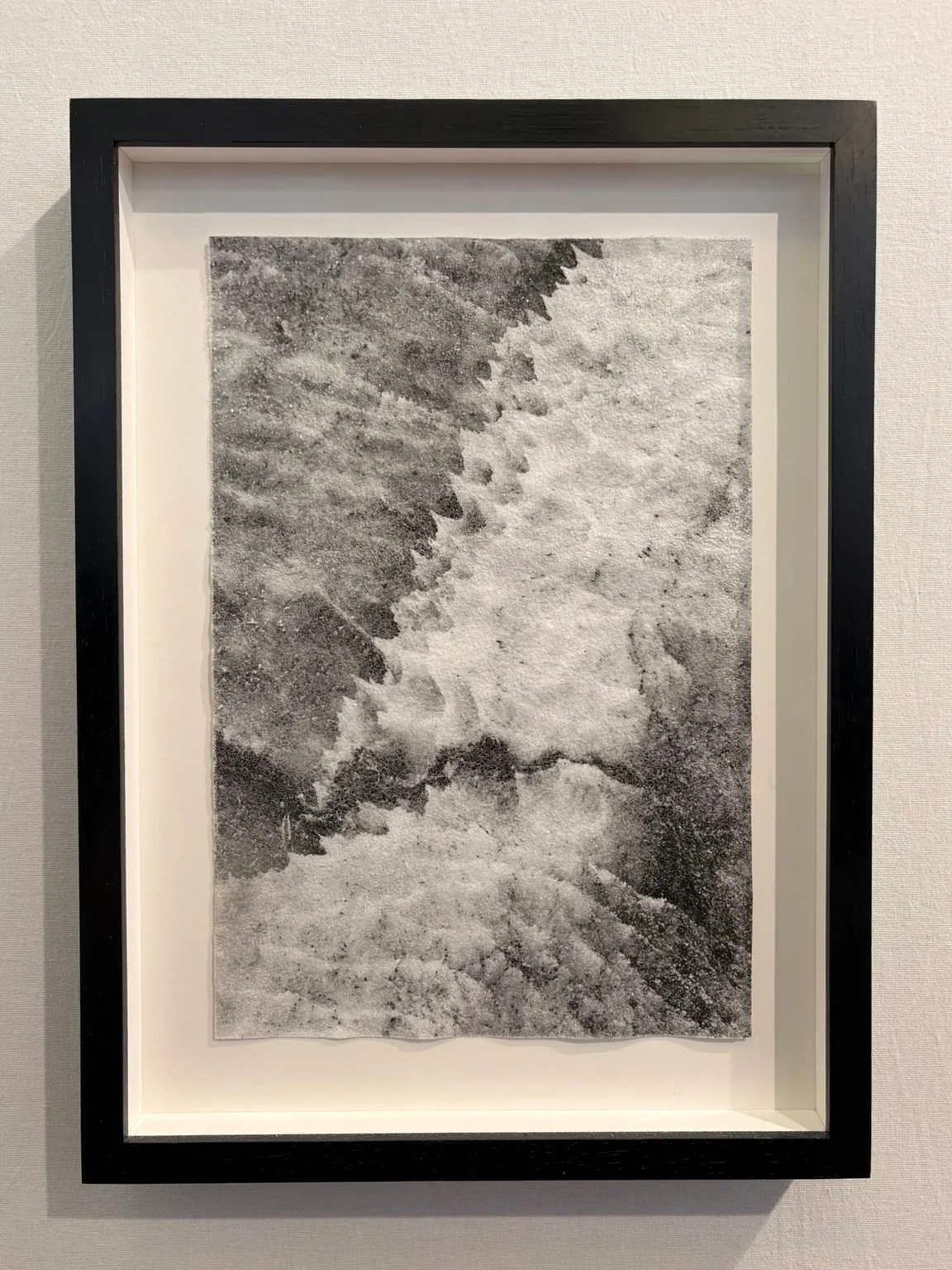
Ilanit Illouz is a French artist working at the intersection of photography, sculpture and experimentation. In her photographs, she depicts landscapes through the lens of human activity and resource extraction. At Paris Photo, her work was presented by Galerie Anne-Laure Buffard.
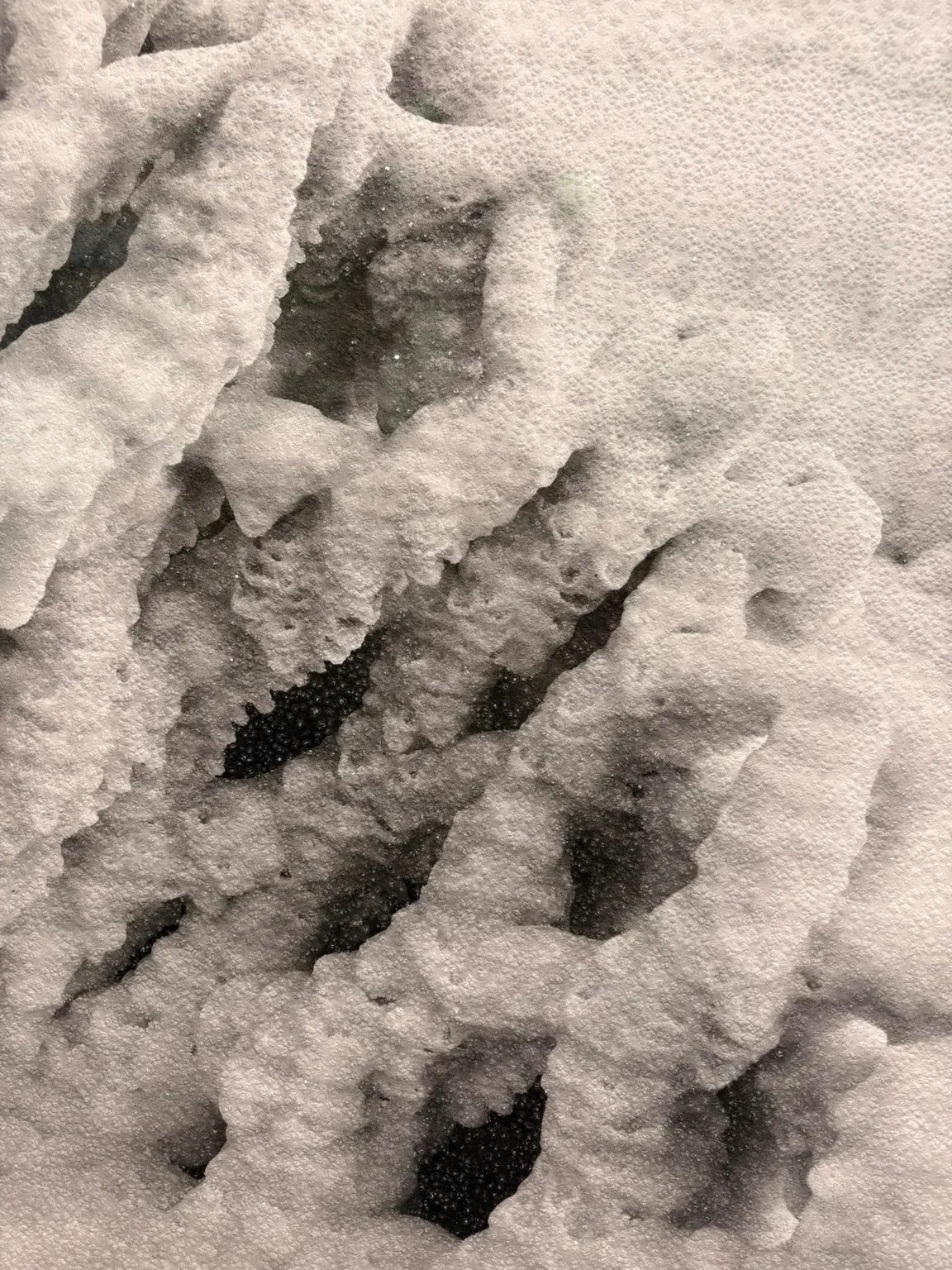
Illouz is interested in exploring how territories marked by extraction, transformation and, at times, disappearance reveal the interconnected nature of ecological, social, and political histories. Her approach to photography is materially distinctive. She uses salt collected during long walks in the Judean Desert and along the Dead Sea, a region deeply scarred by conflict, as part of her film-developing process.
The resulting images depict abstract landscapes covered in crystallised salt that glistens like snow. The salt gives the works a three-dimensional surface, making each image feel like a landscape in its own right, with a distinct geology and temporality. The landscape is therefore not simply the subject of the photograph, but part of its material reality. Learn more about Ilanit Illouz’s photographic practice.
An Extension of Paris Photo: Exhibition “Drifting Through Waters” at nomaadgalerie
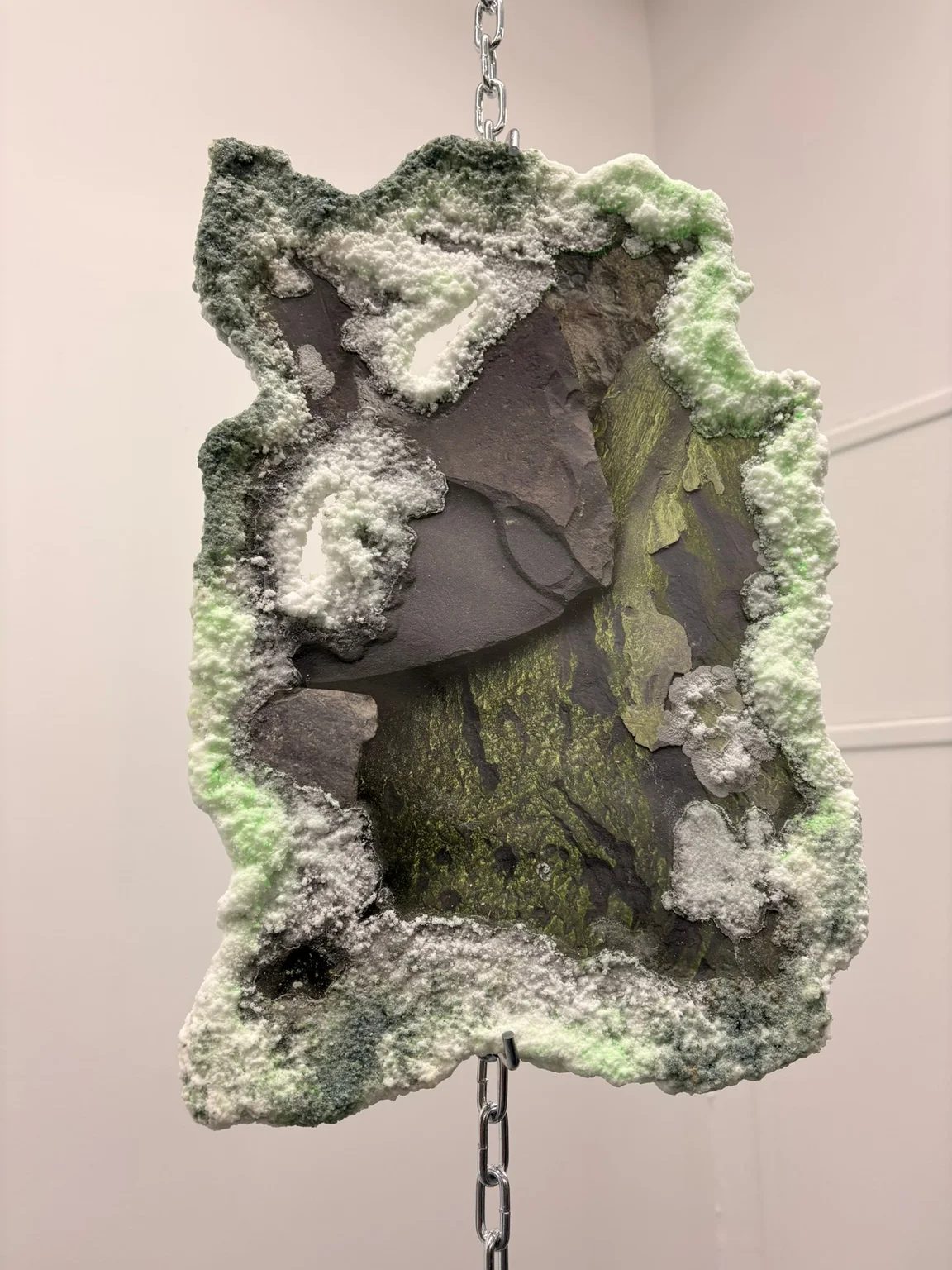
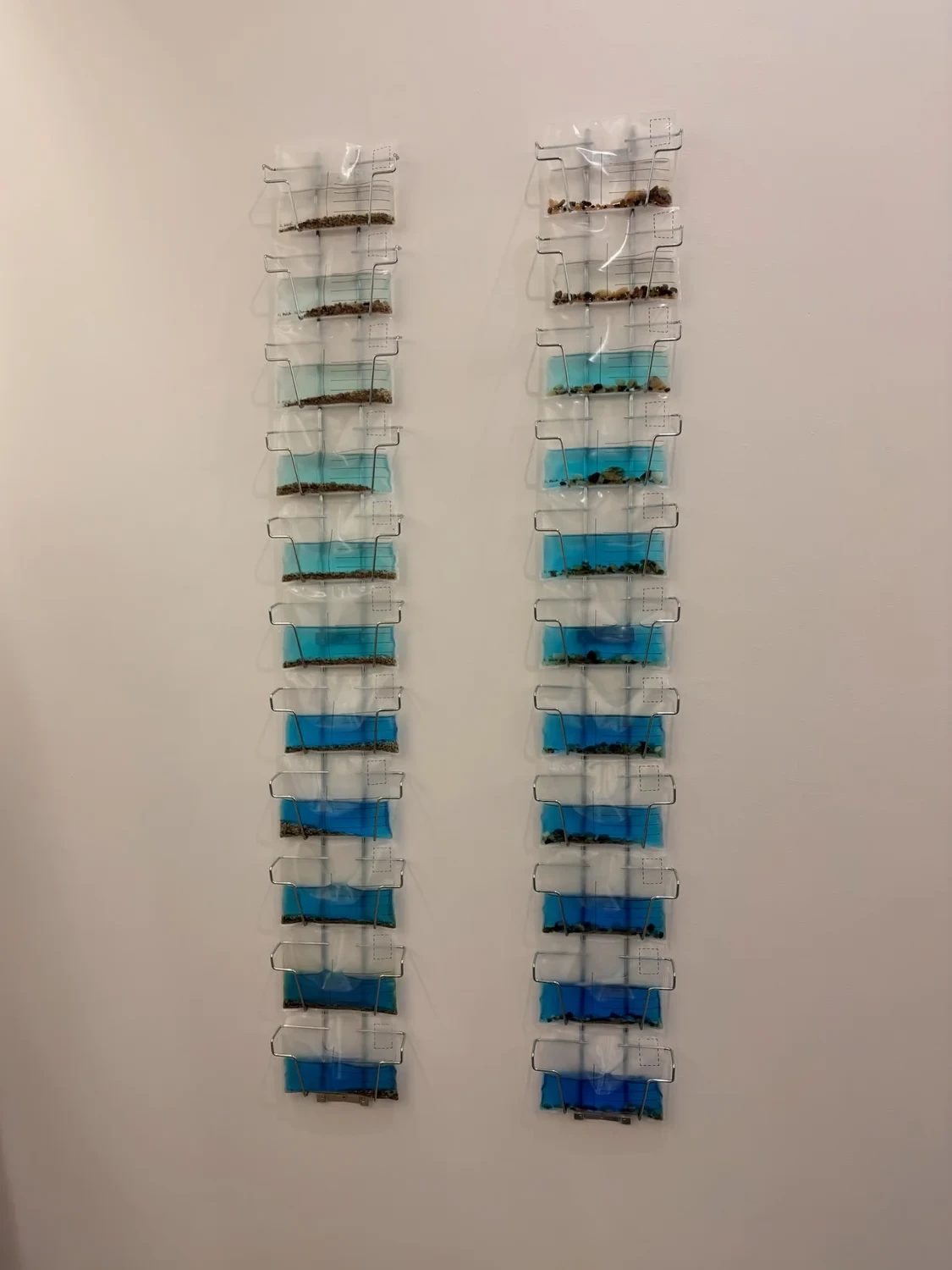
Alongside Paris Photo, we attended the opening of “Drifting Through Waters”, an exhibition presented by Roots to Routes and nomaadgalerie, bringing together the Estonian artist Kristina Õllek and the French artist Anne-Laure Wuillai.
The exhibition unfolds between two bodies of water, the Baltic Sea and the Mediterranean. The artists’ practices, shaped by a merging of artistic imagination and scientific research, explore the fragile space between what is visible and what remains hidden from view. The sea appears both as a source of life and as a witness to the dramatic changes endured by our environment.
Kristina Õllek’s work moves between photography, installation, moving image, and microbial and chemical processes, and allowing the materials to participate in the making of an image. Her thoughtful and long-term engagement with the Baltic Sea has informed her practice, with a particular focus on deep-sea ecosystems, geological matter, aquatic organisms, and the impact of human activity.
Through sculptures, installations and drawings, Anne-Laure Wuillai explores the human desire to bring the vastness of water within reach, making it more digestible and transforming it into an object of knowledge, memory or possession. Some of her recent works incorporate seawater from the Mediterranean into an antique aneroid barometer, repurposing a scientific instrument designed to register the invisible force of atmospheric pressure. In this way, her practice evokes an unspoken tension between classification and containment. The more we attempt to capture the sea, the more we become aware of its immensity and intangibility.
Although the artists work with bodies of water separated by geography, the Baltic Sea and the Mediterranean carry interconnected histories of life, human intervention and movement. Together, their practices reflect on what lies beneath the surface and on the limits of our ability to fully comprehend or contain the sea.
The exhibition is on view through December 6, so if you’re in Paris, it is well worth a visit. More information on the exhibition here.