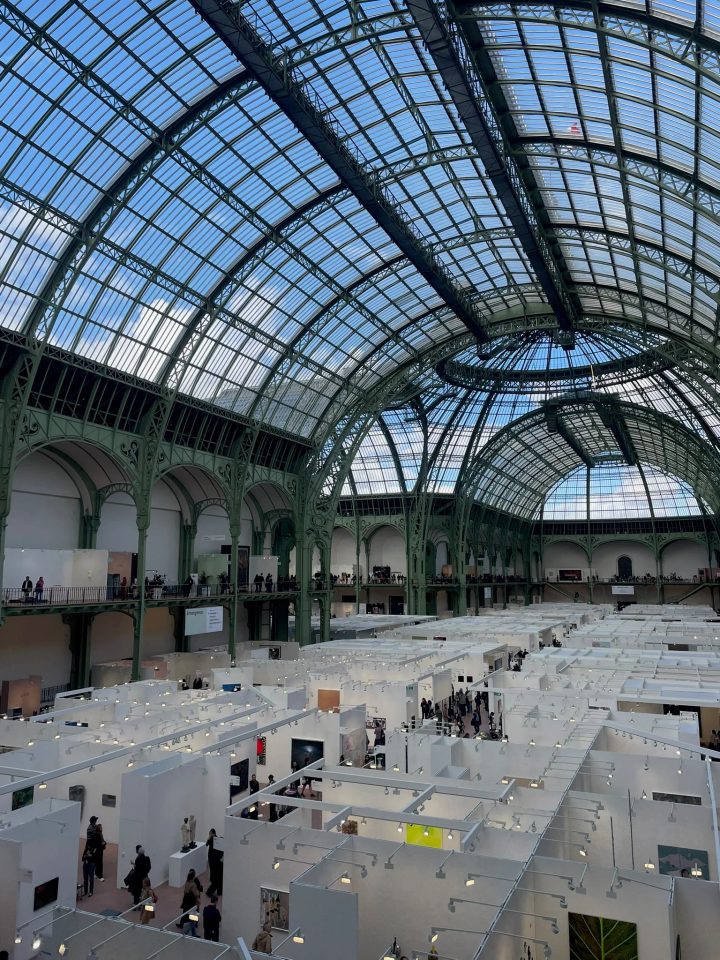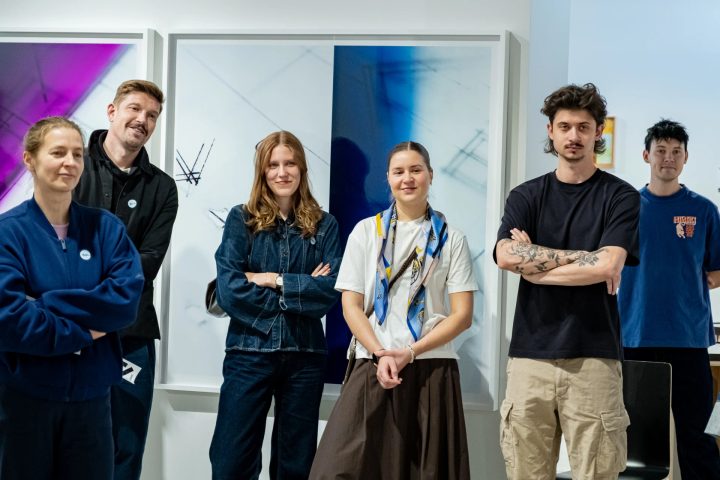
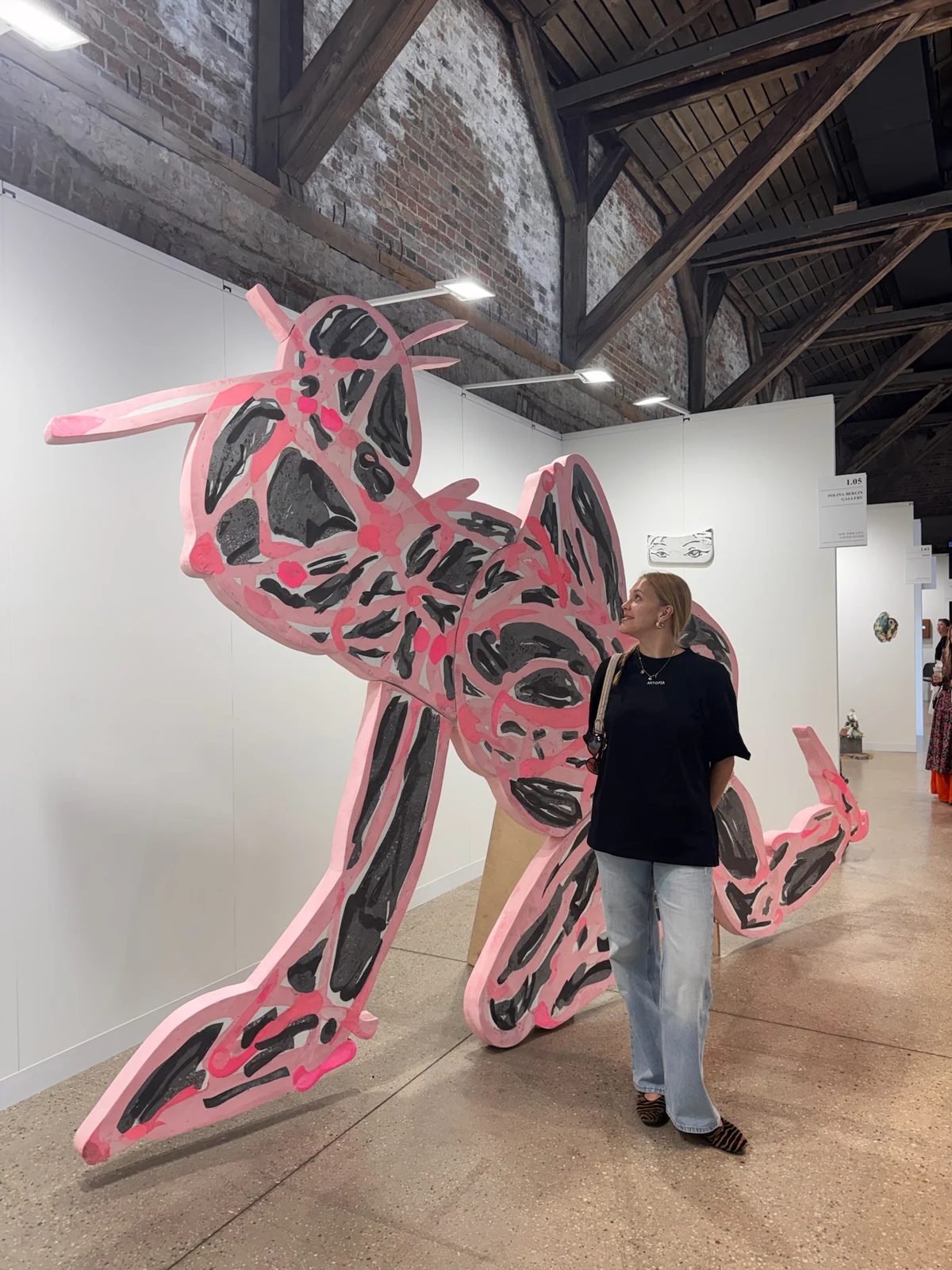
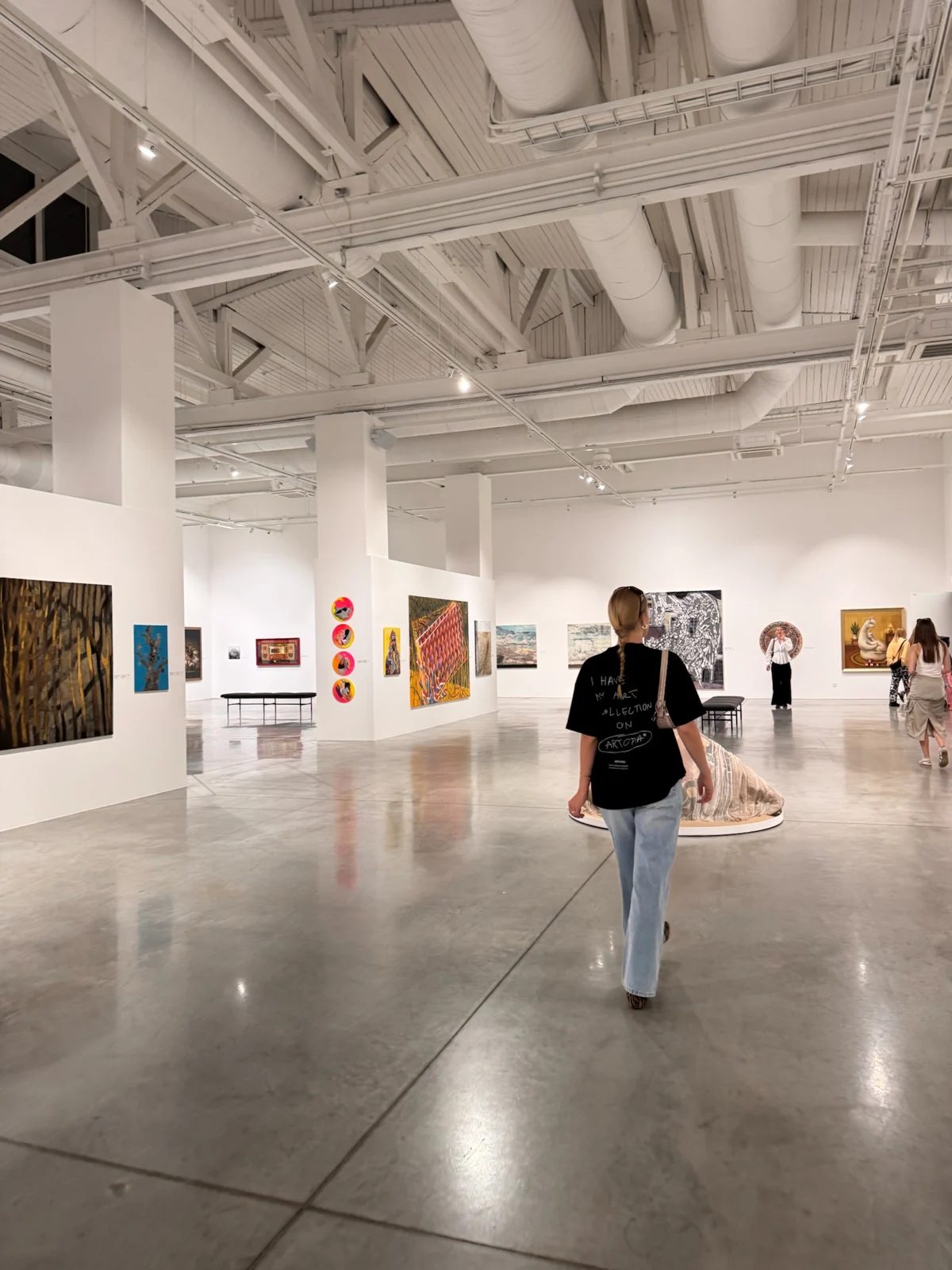
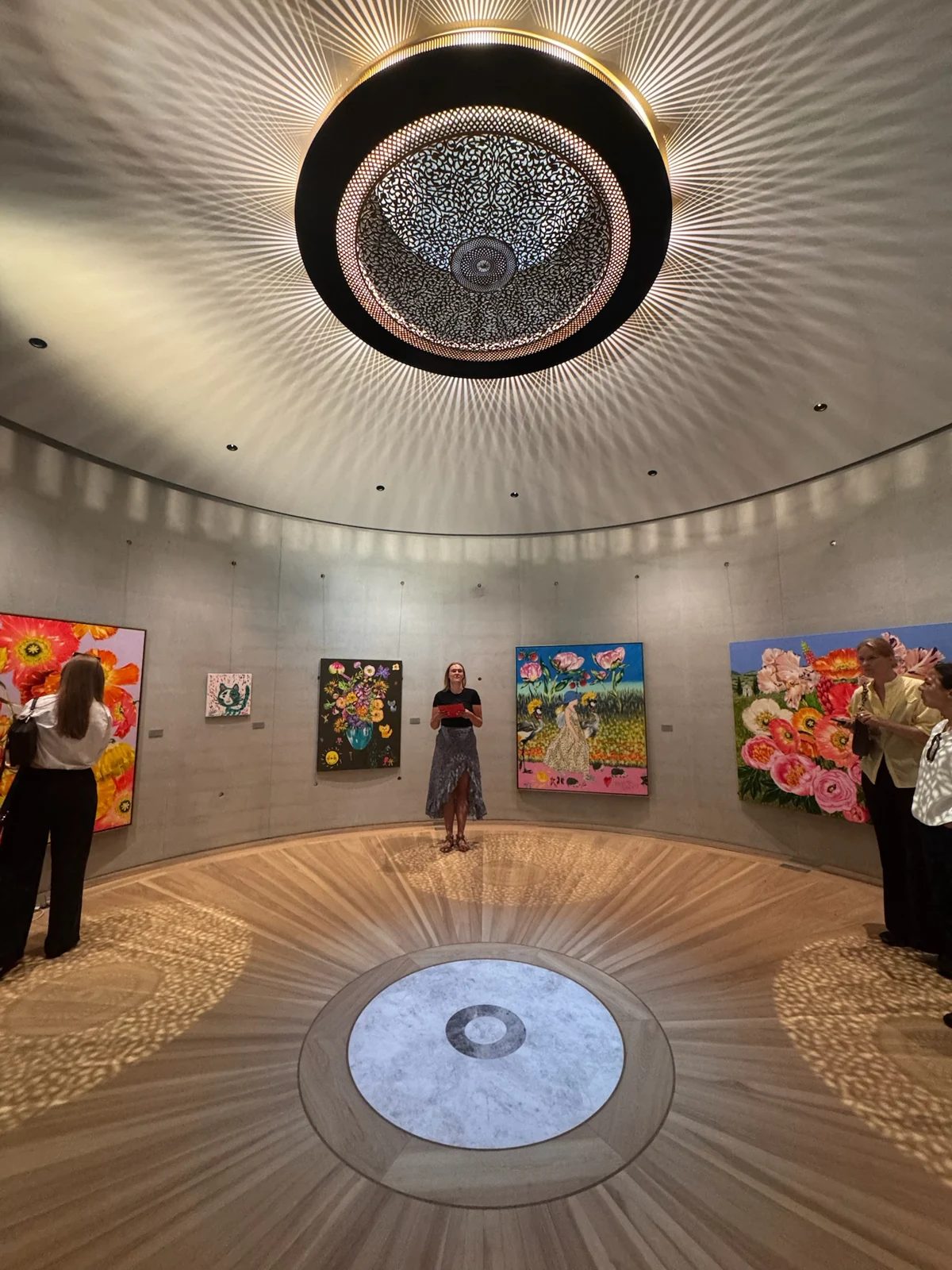
This past weekend, the Artopia team attended Riga Contemporary, an international contemporary art fair held at Hanzas Perons in Riga. Over the course of the weekend, we discovered new artists and galleries, shared conversations with friends from across the art world, and spent time with some of the most exciting work being presented across the Baltic and wider Central and Eastern European art scene.
Rethinking who collects art
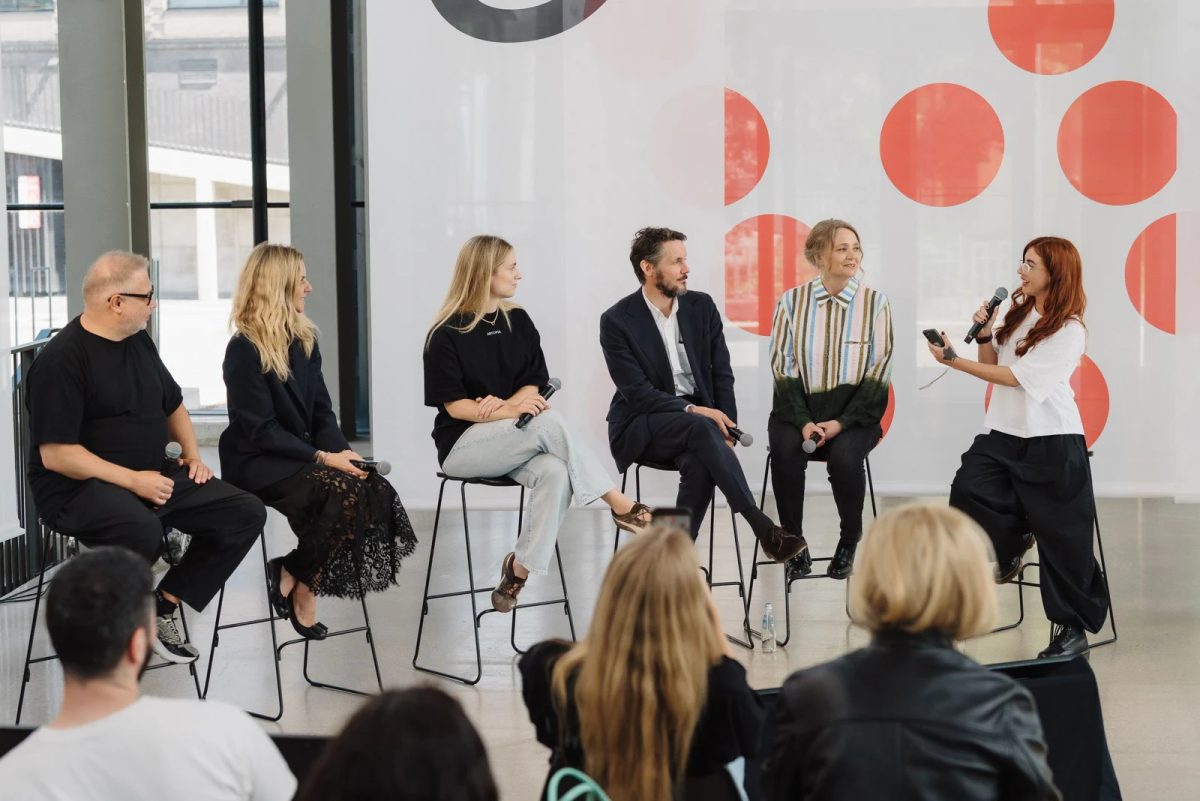
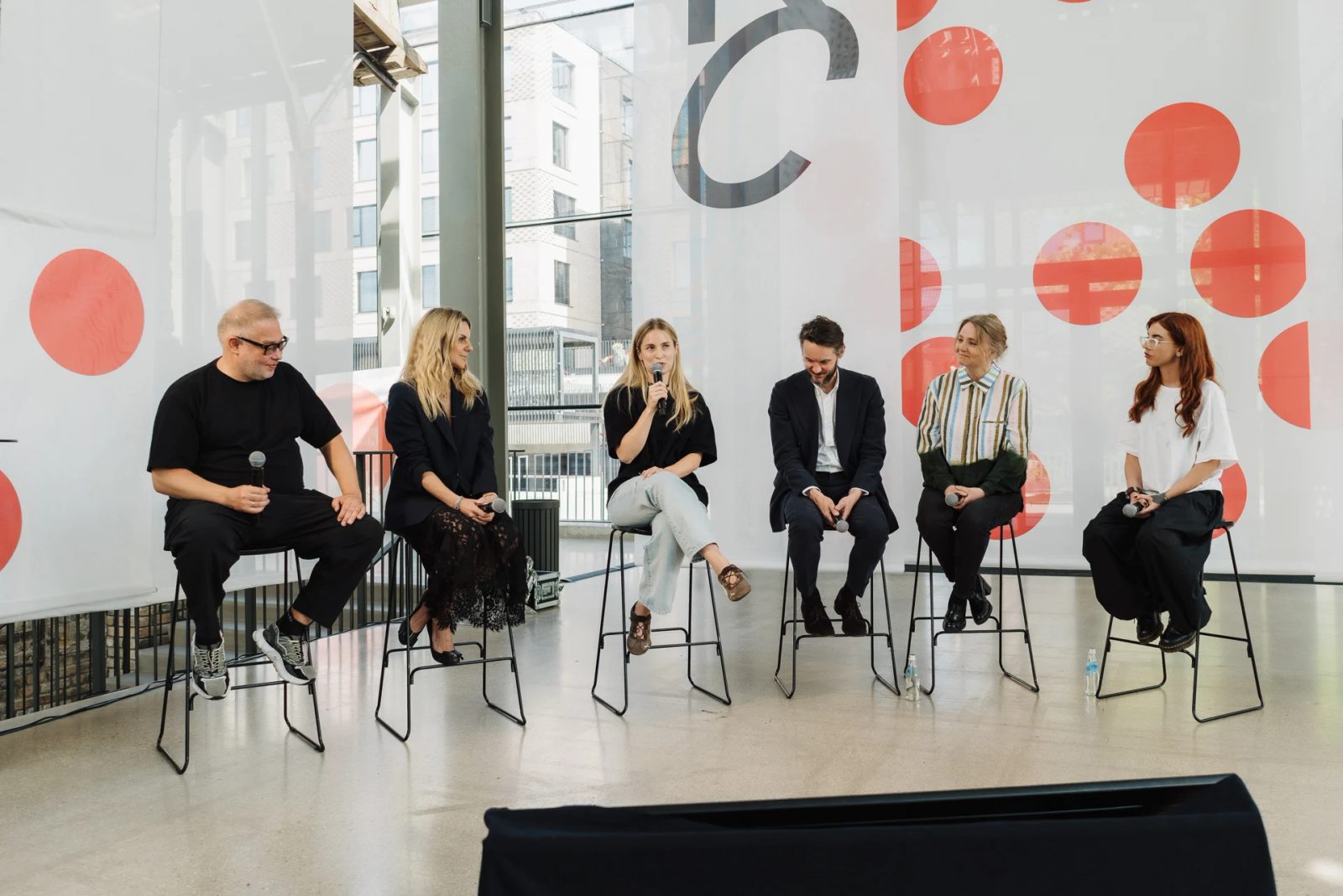
One of the weekend’s highlights was seeing our founder, Iida Kaisa Urm, take part in a panel on private art collection strategies. Moderated by Elīna Norden, the discussion brought together fellow collectors Mari Indregard and Tord Rønning Krogtoft, Kateřina Havrlant, and Māris Vītols.
The conversation offered an opportunity to learn more about what had motivated each of the participants to start collecting, as well as their approaches to finding and acquiring new works. It was refreshing to see how expansive the idea of a collector can be today. The panel brought together people at different stages of life, with different budgets, motivations, and relationships to art. Some collect as a personal passion, while others focus on supporting emerging artists in their local communities.
Together, their stories challenged the idea that collecting belongs to one fixed type of person.
The public programme and beyond
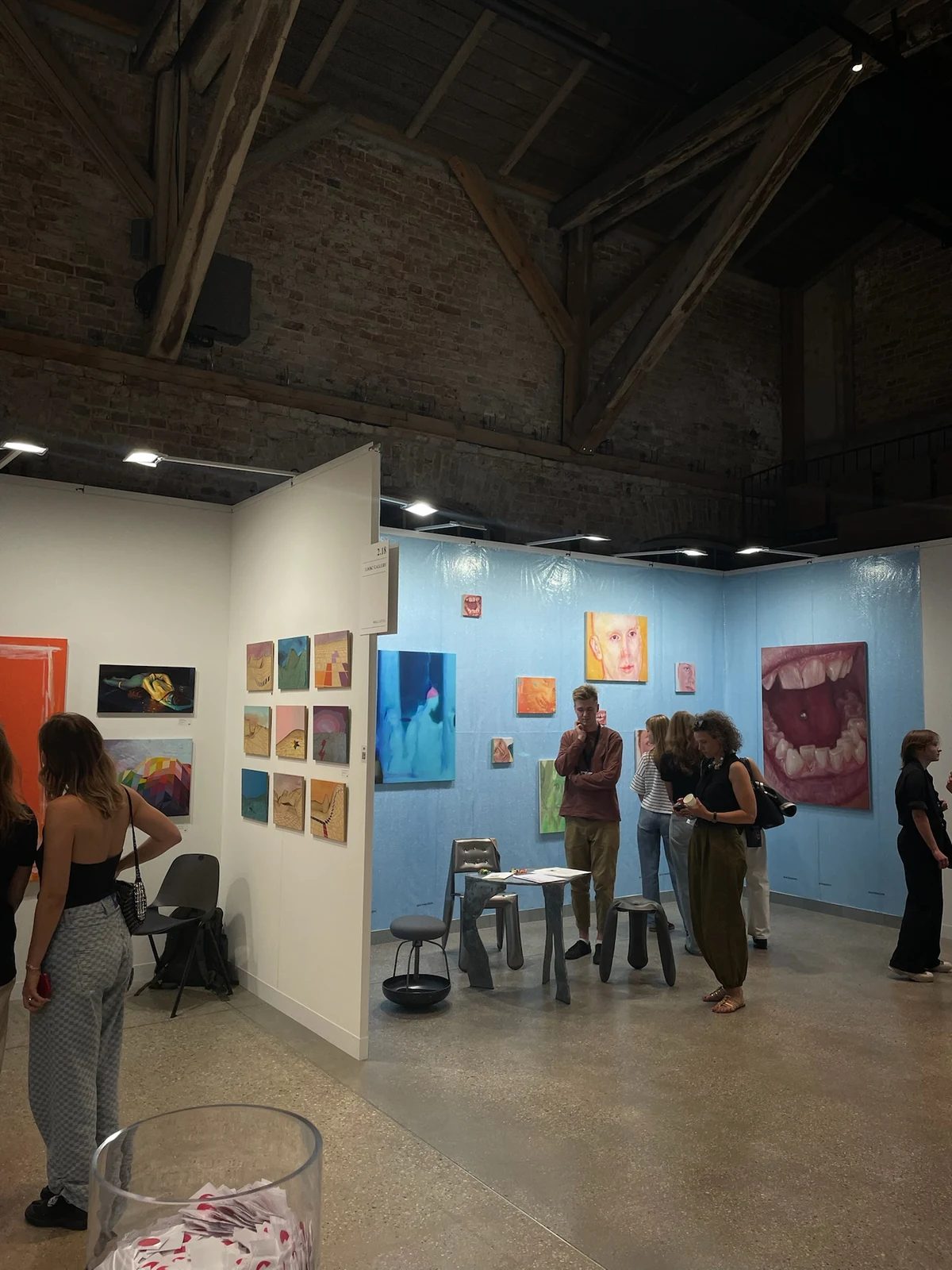
Alongside the thoughtfully curated public programme, which explored art fairs, collecting, institutional practices, the art market, and the growing role of digital technologies, we found just as much enjoyment in the conversations happening around the fair: among the artworks at the Hanzas Perons, over a glass (or two) of wine in Riga’s Old Town, and while visiting museums and galleries across the city. These encounters made the fair feel like more than a place to discover new artworks. It became a meeting point for collectors, artists, art professionals, and enthusiasts from across the region.
Three gallery highlights from Riga Contemporary 2026
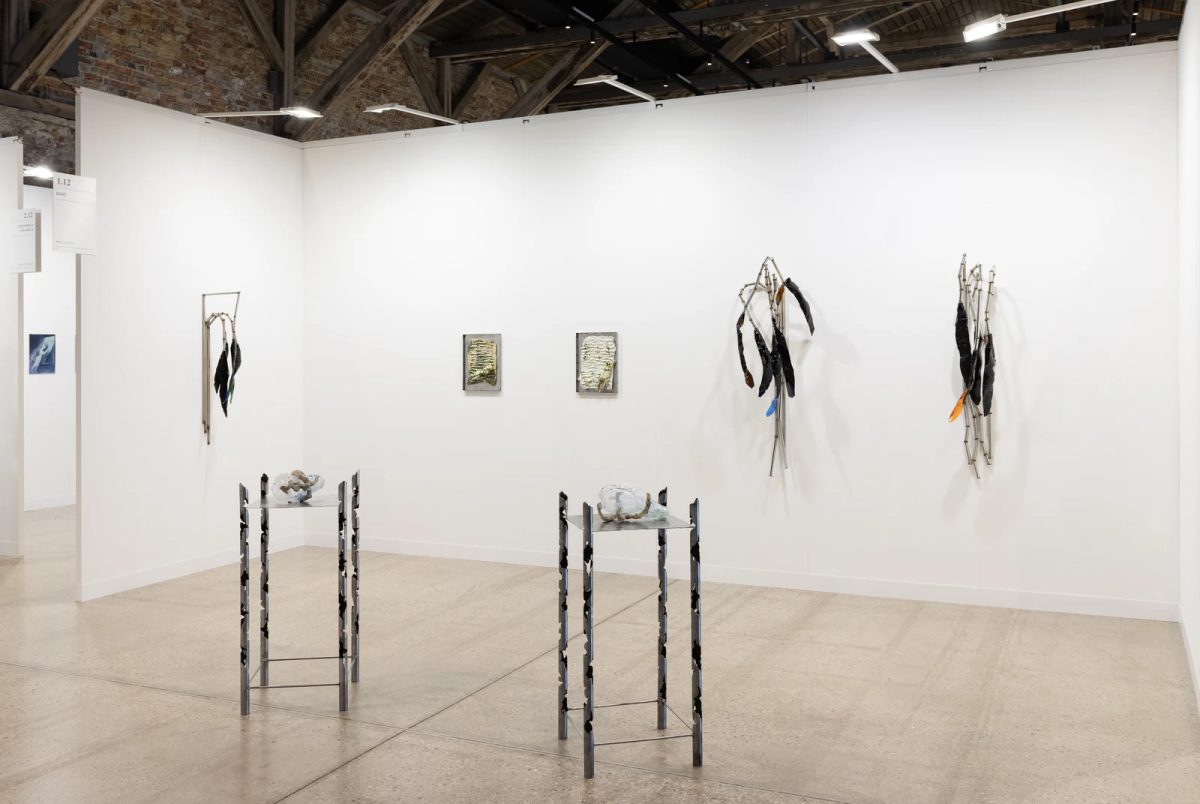
Kim? Contemporary Art Centre, with works by Karlīna Mežecka
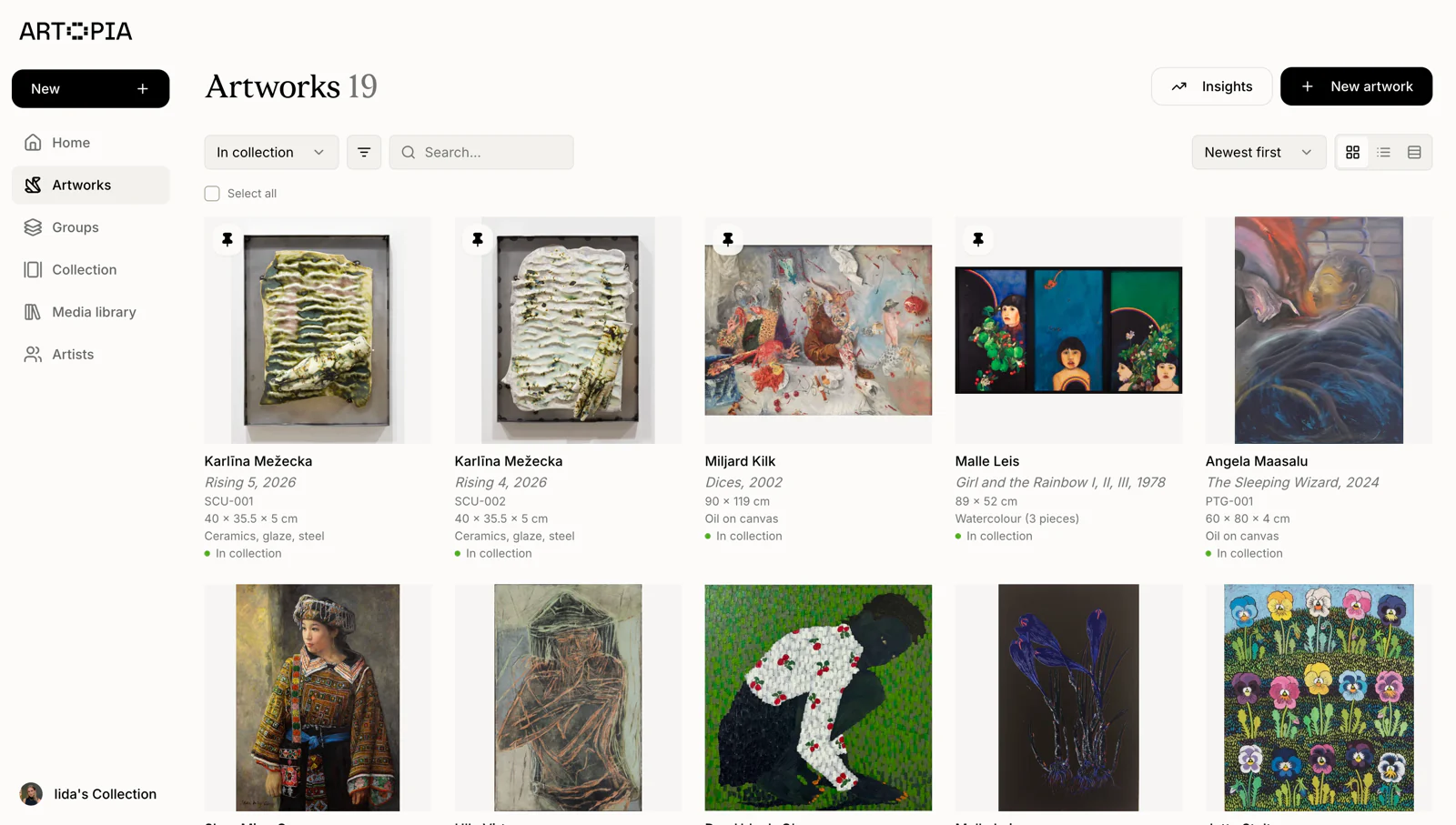
Karlīna Mežecka is an emerging Latvian artist whose work has already made an impression on the Baltic contemporary art scene. Her practice moves across glass, ceramics, installation, and sculpture, resulting in playful and unusual forms that immediately caught our attention. Many of the works had an organic, almost amoeba-like quality, making familiar materials feel unexpected. Their strangeness made us stop and look closer: exactly the kind of encounter we hope to have at an art fair.
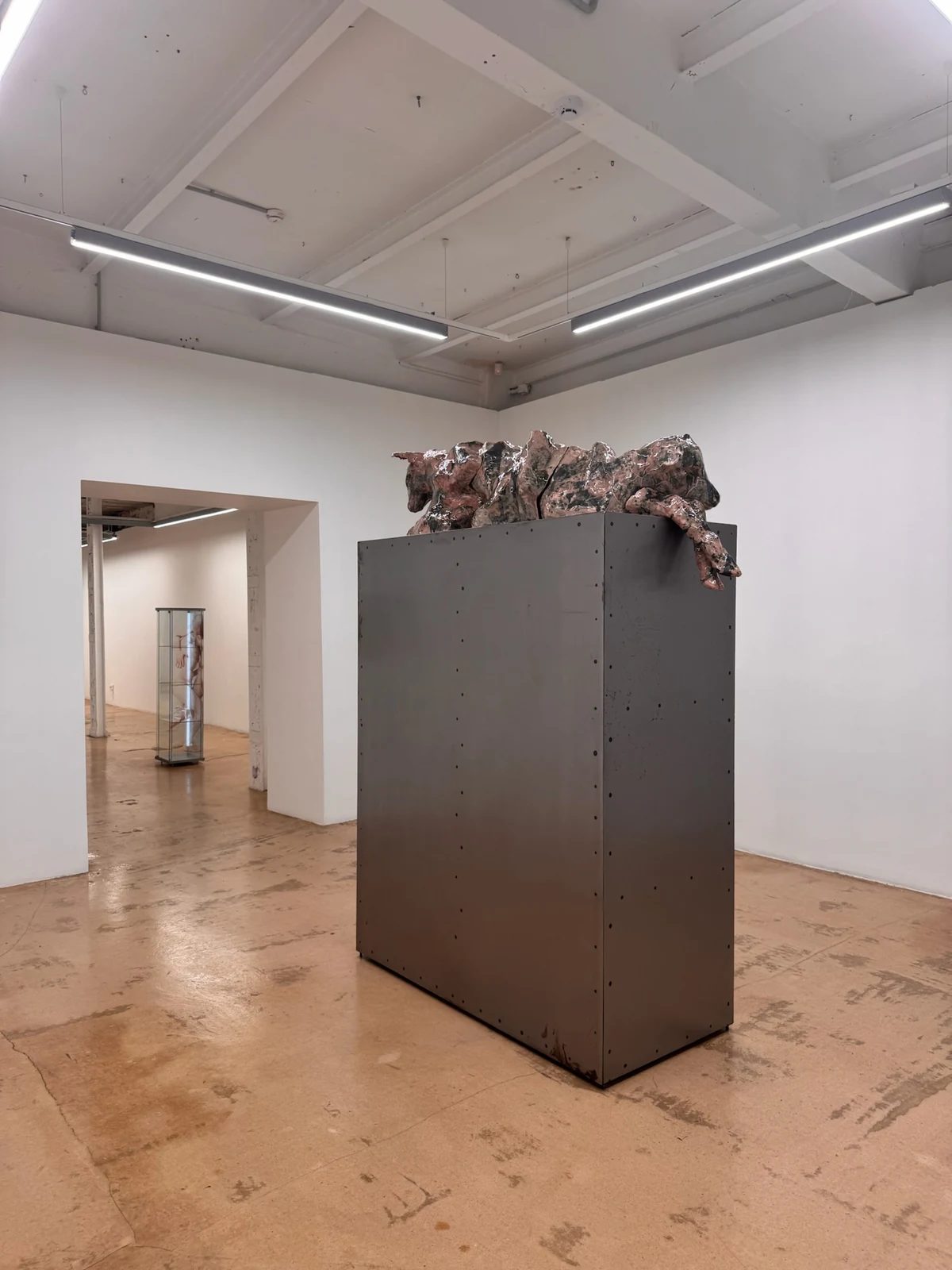
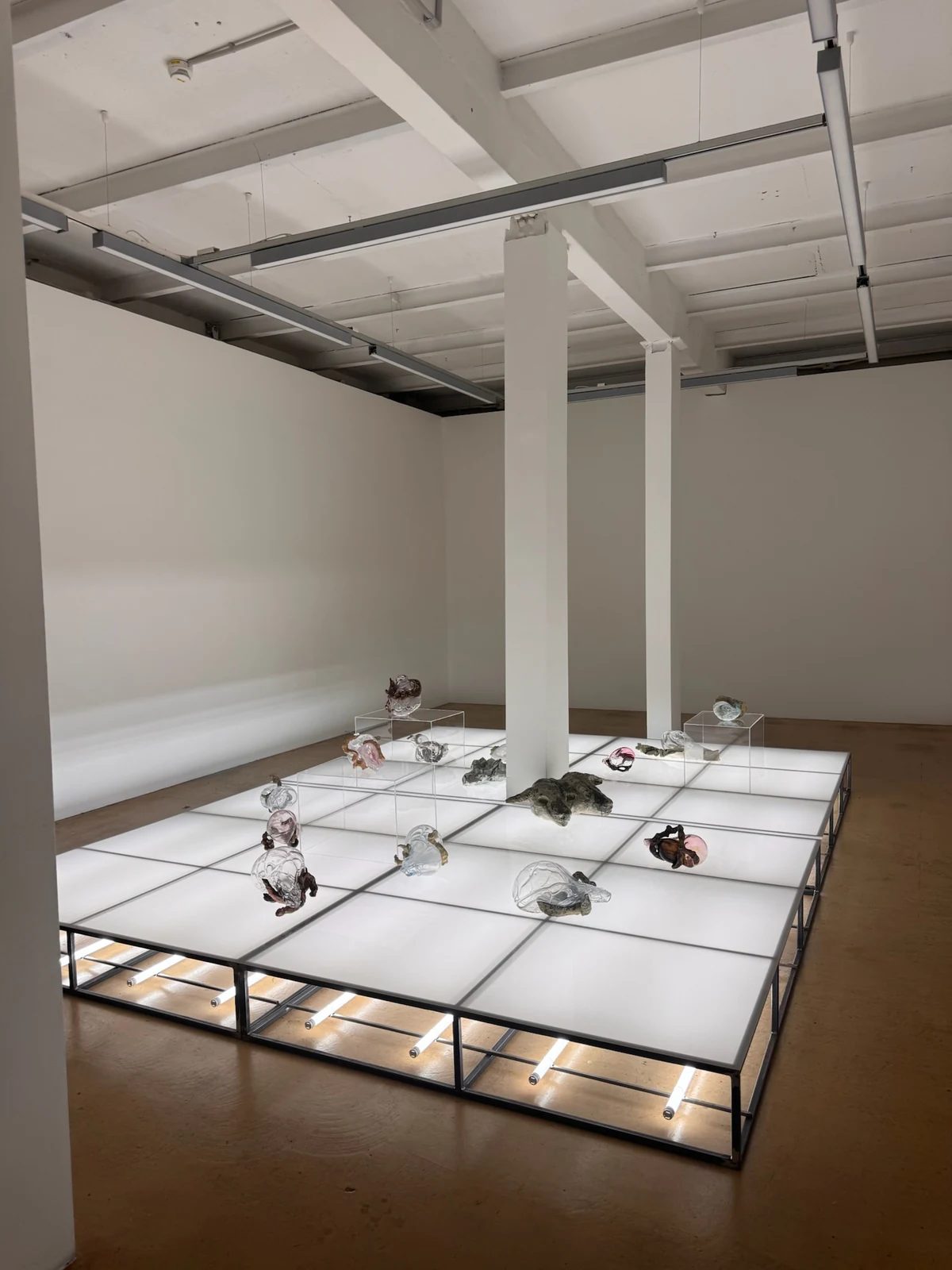
During the fair, Mežecka’s largest solo exhibition to date, Stare Up At Me, was also on view at Kim? Contemporary Art Centre. The exhibition offered a chance to see more of her sculptural and installation-based practice, and to spend more time with the imaginative, slightly uncanny world that first caught our eye at the fair.
Leto gallery with works by Kaja Gadomska
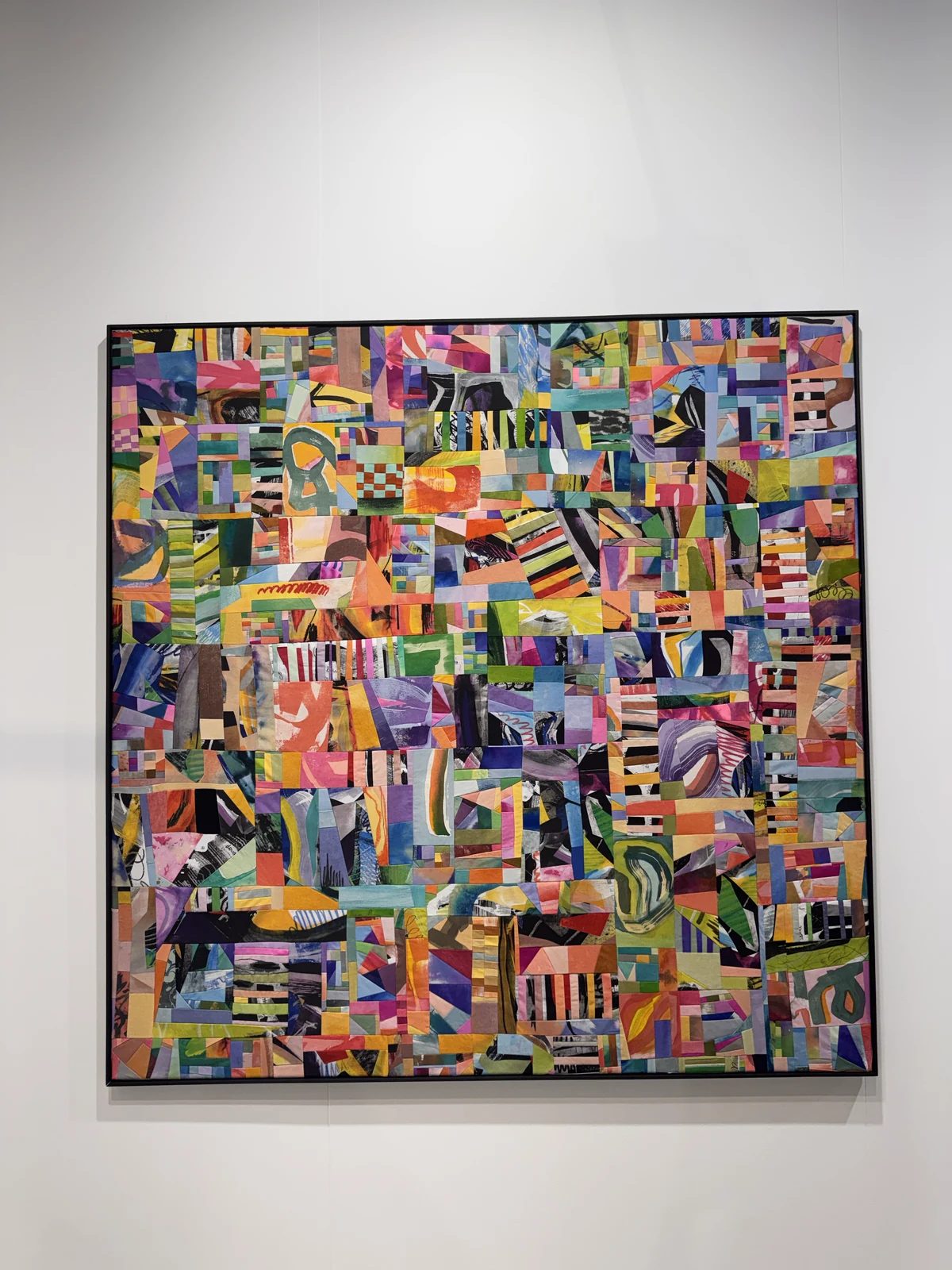
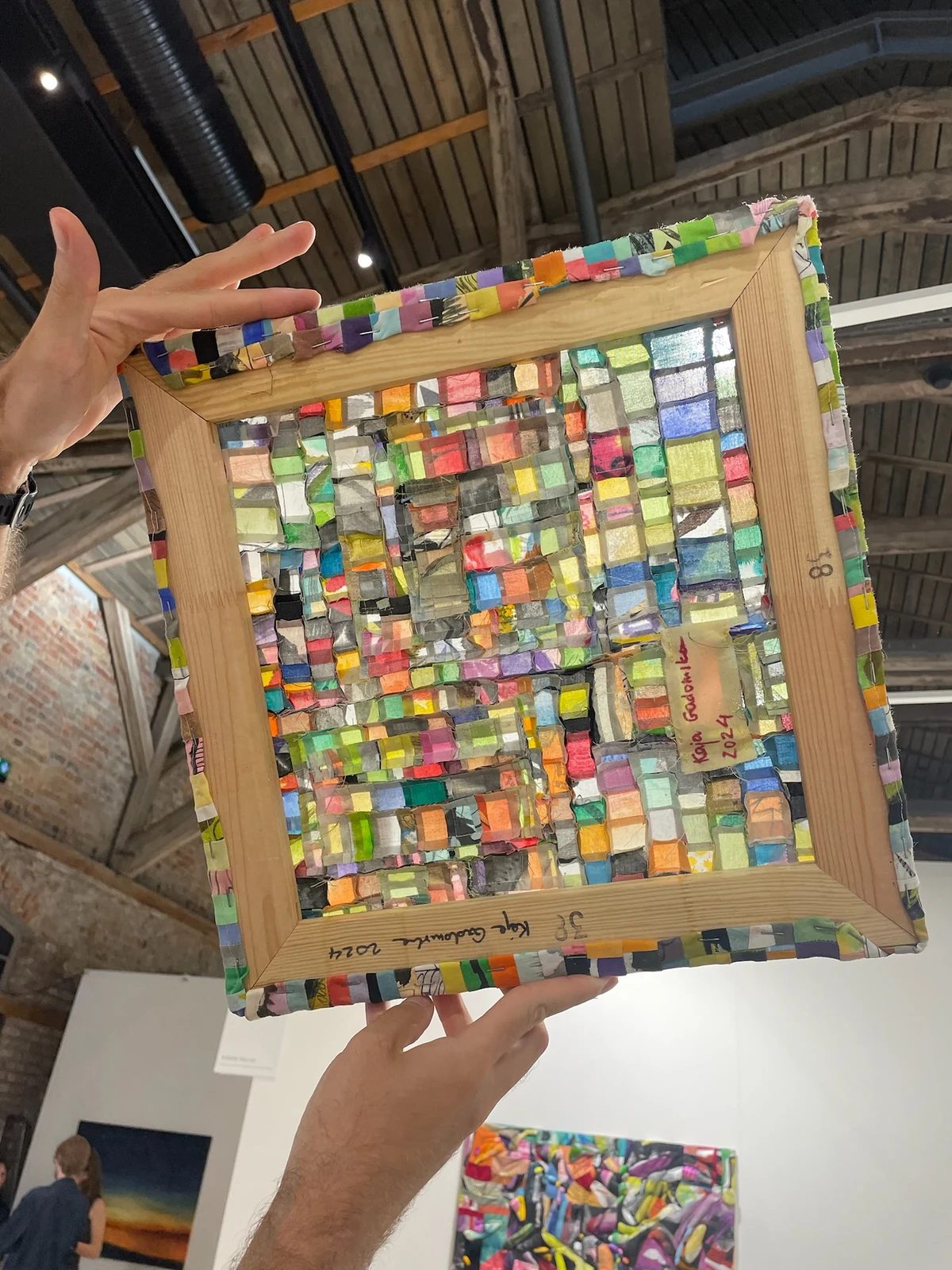
At Leto Gallery, we were drawn to the colourful and imaginative works of Polish artist Kaja Gadomska. Her interest in colour and shape comes through in intricate, dynamic textile patchworks that invite the viewer to look a little longer and a little more closely.
There is something immediately inviting about the bold colours and unconventional shapes. At the same time, the works make the process of their construction impossible to ignore. Looking at Gadomska’s layered compositions, we found ourselves wondering where the artwork truly resides: in the finished image, or in the accumulated process of making it?
It came as no surprise that Leto Gallery received the Citadele Audience Choice Award at the fair. The award will see the Warsaw gallery return for the next edition of Riga Contemporary.
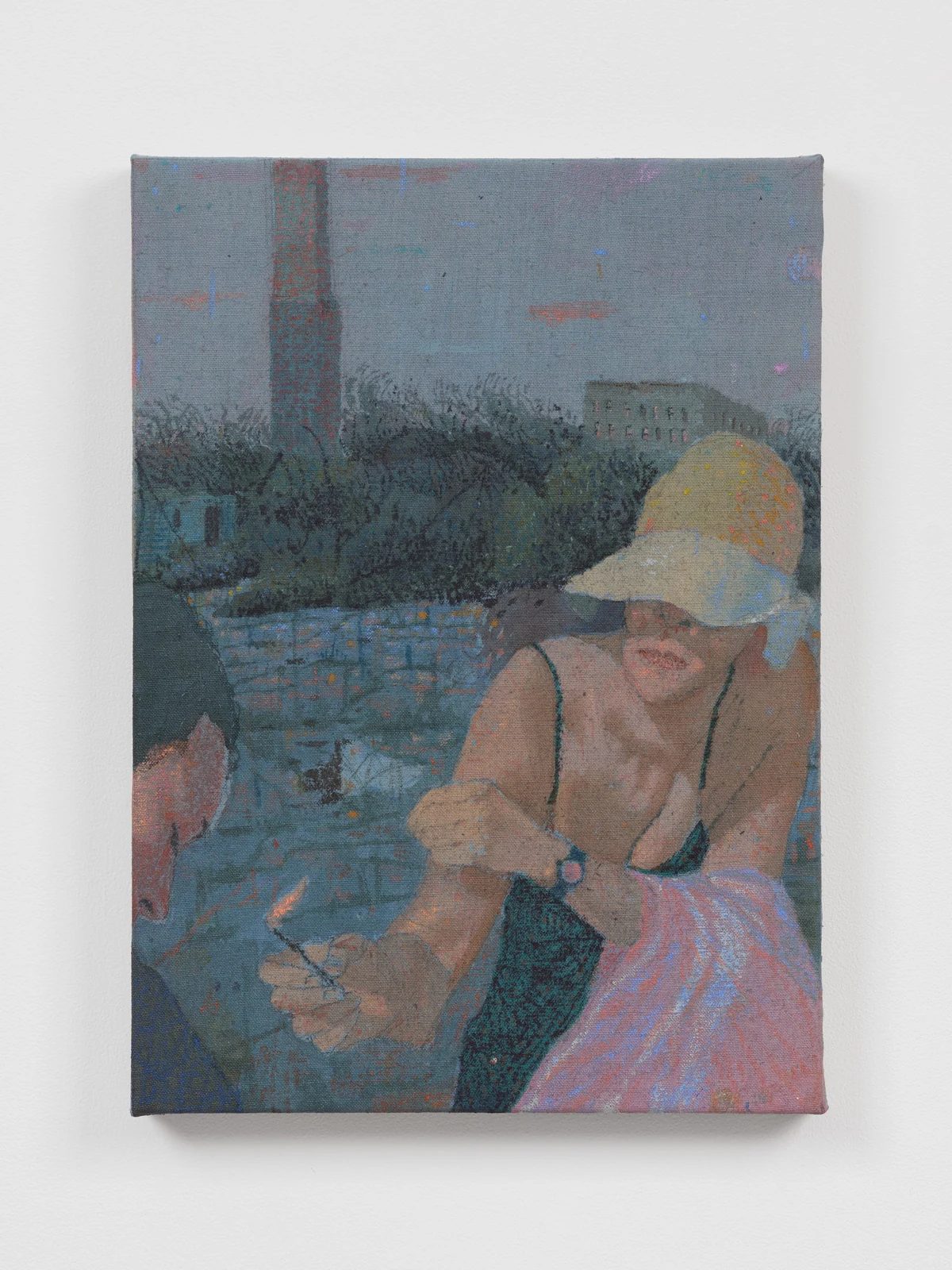
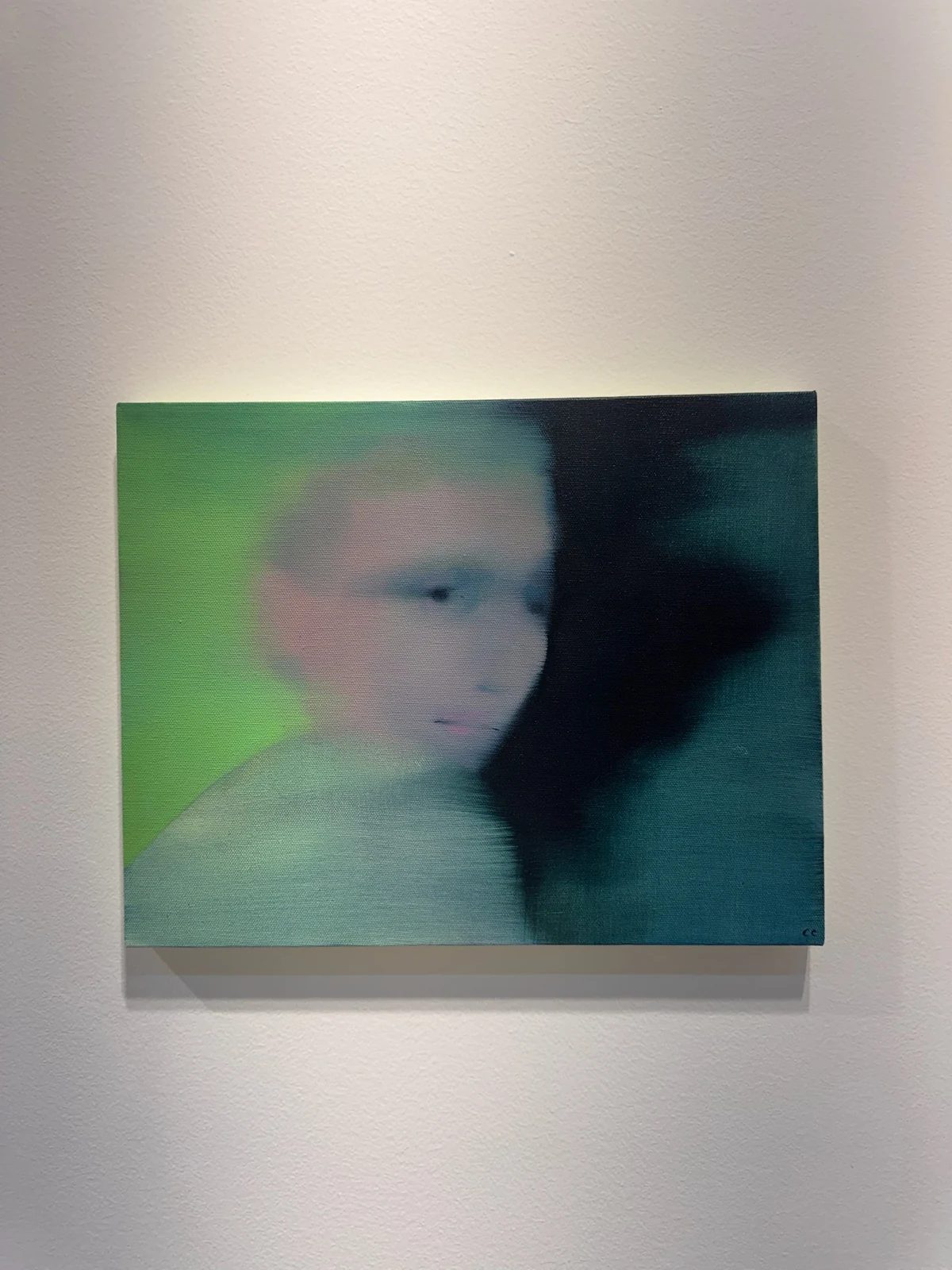
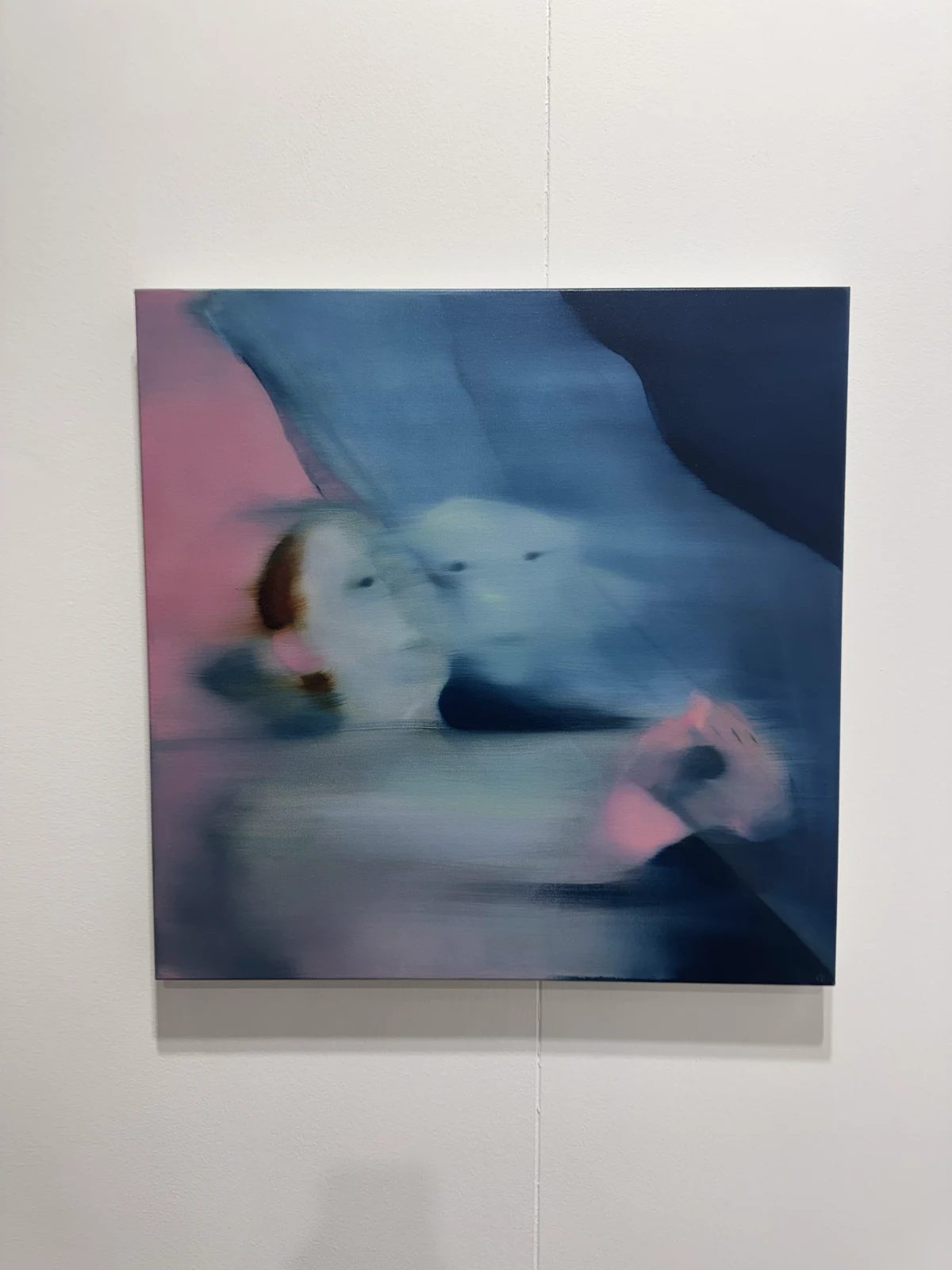
Margot Samel Gallery, with works by Cathleen Clarke and Sasha Brodsky
After the playful forms of Karlīna Mežecka and the vivid, layered works of Kaja Gadomska, Margot Samel gallery from New York offered a quieter and more contemplative atmosphere through the works of Cathleen Clarke and Sasha Brodsky.
Clarke’s muted, dreamlike works created a nostalgic and reflective mood. Brodsky’s pastel and acrylic figurative paintings brought a more recognisable, present-day quality to the presentation, grounding the works in the familiar world of figurative painting.
The contrast between the two artists gave the presentation its balance: Clarke’s works opened up a more otherworldly space, while Brodsky’s paintings brought us back to the present. Together, they created a slower, more introspective moment within the fair.
Riga Contemporary 2026 by the numbers
The second edition of Riga Contemporary brought together 42 galleries from 16 countries and attracted more than 17,000 visitors over four days. These figures reflect the fair’s growing international reach and its role as an important meeting point for contemporary art in the Baltic region.
For us, however, the weekend’s significance was felt in smaller moments: the conversations around collecting, the unexpected discoveries at gallery stands, and the time spent looking closely at new work. We left Riga with new artists to follow, conversations to continue, and a renewed sense that collecting begins, above all, with curiosity.