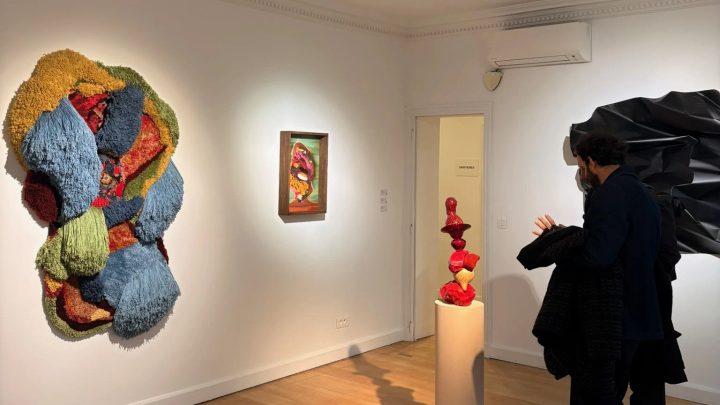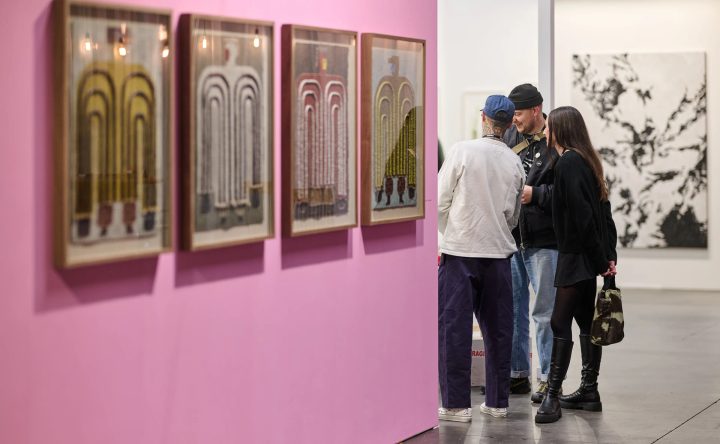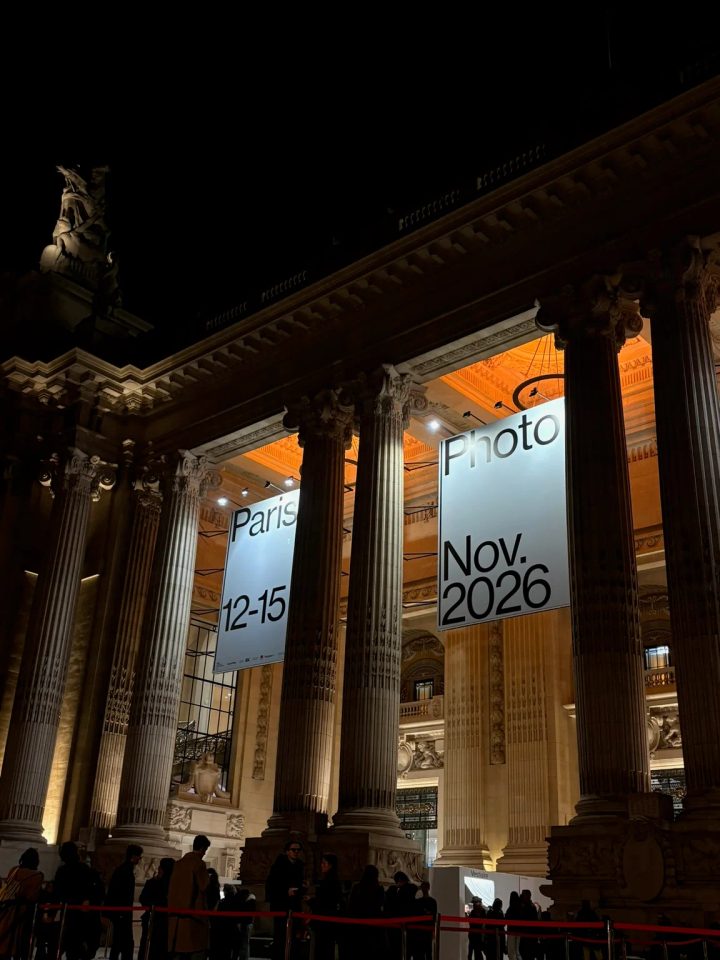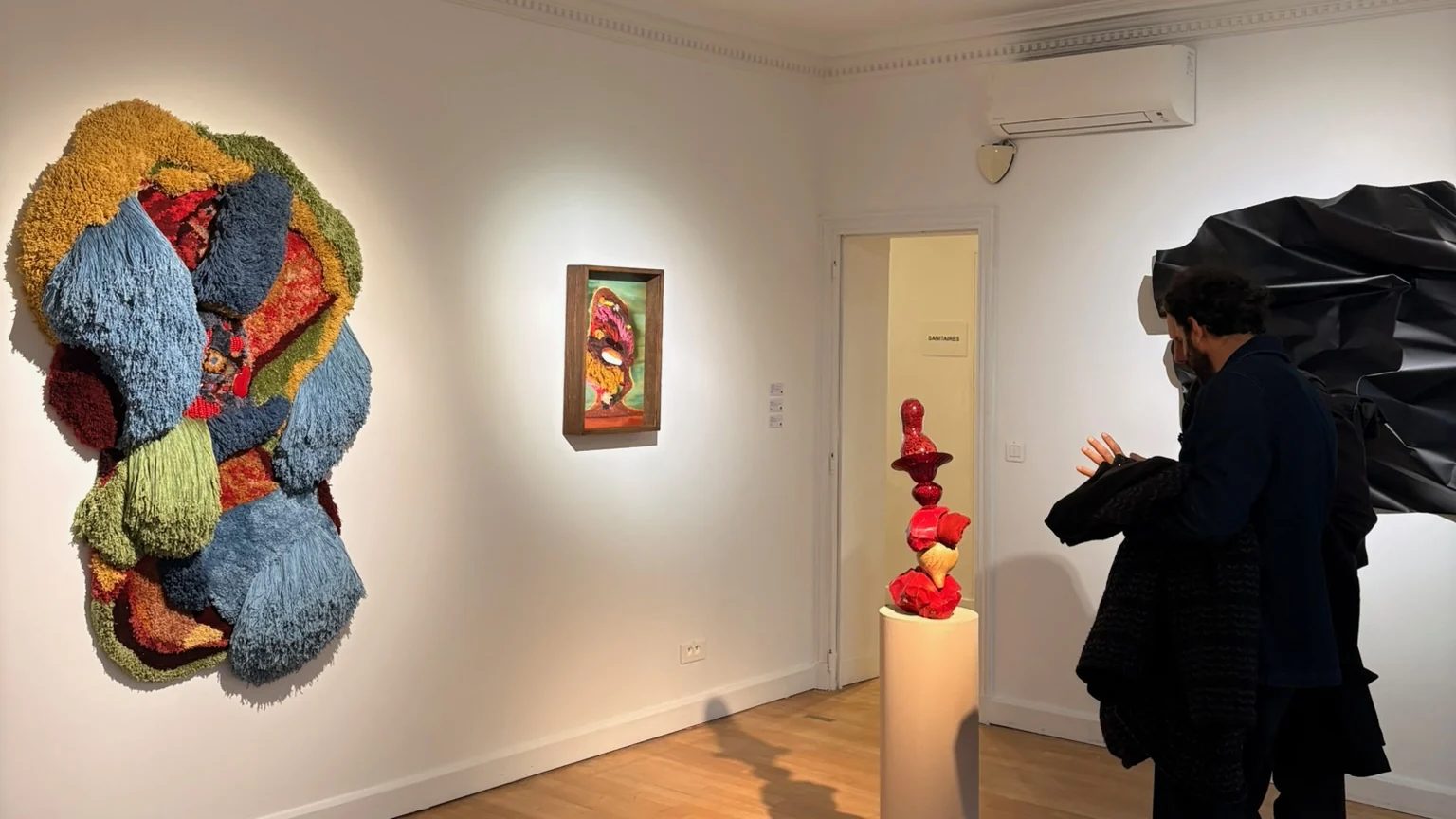
In November, we had the pleasure of attending the third edition of MIRA Art Fair. Held from 12 to 15 November 2026 at the Maison de l’Amérique latine, a historic mansion in the heart of Paris, MIRA focuses on showcasing the vitality and diversity of the contemporary Latin American art scene.
With a carefully selected group of around 20 galleries specialising in Latin American art from Brazil, Cuba, Argentina, Mexico, Colombia and beyond, MIRA offers a more intimate and selective alternative to the traditional art fair. In bringing these galleries to Paris, the fair aims to give greater visibility to works that have not previously been shown in the city and to place Latin American art at the centre of the European art scene. This mission is reinforced by the fair’s thoughtful curation and public programme.
This edition’s public programme was divided into three sections. The Body Is The Message invited artists to occupy the space through performances exploring different ways of existing in a body.
La Sala de la Casa moved away from the traditional conference format, creating an open space for dialogue between artists, collectors and curators around topics including folklore and ritual in contemporary art, women and power within art ecosystems, and identity construction in the diaspora.
Lastly, Sunday with the Family was a carte blanche entrusted to artist Carlota Sandoval Lizarralde, who invited families to contribute to a collective work by sewing, drawing and repurposing an everyday object to tell a story of what is remembered, passed down and inherited across generations.
The public programme reflected MIRA’s ethos, placing pleasure and togetherness at the centre of the fair. Art was not something to be observed from a distance, but an invitation to create a shared experience between bodies and communities.
In Spanish, mira can refer to an intention, aim or purpose. It is also connected to the act of looking: “she looks,” or simply, “look.” That is what MIRA Art Fair succeeded in doing, directing our attention towards the richness and diversity of contemporary Latin American art. Read more about the fair on their official website.
MIRA Art Fair Artist Highlight: Giselle Lucía Navarro with The Cuban Art Hub
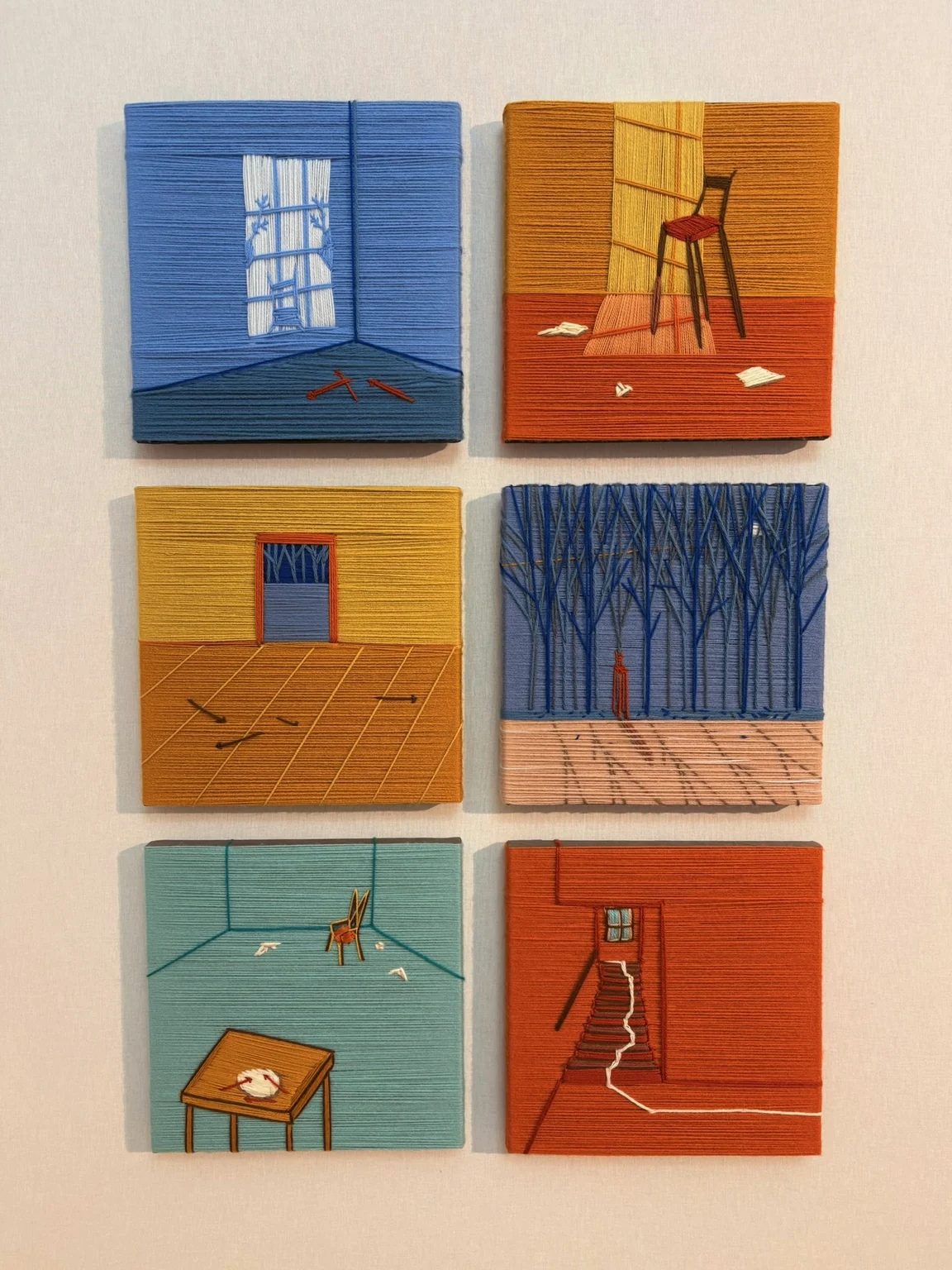
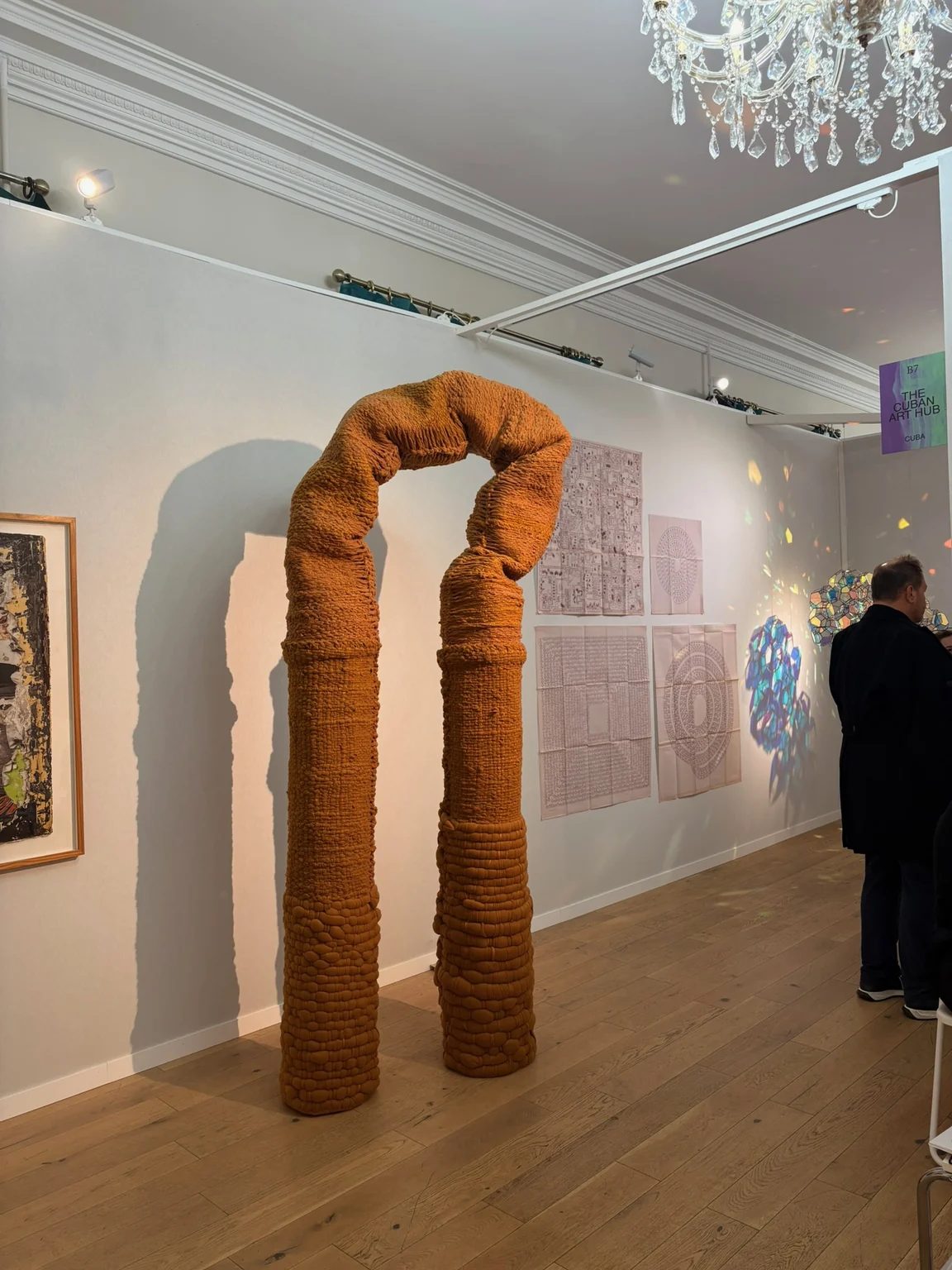
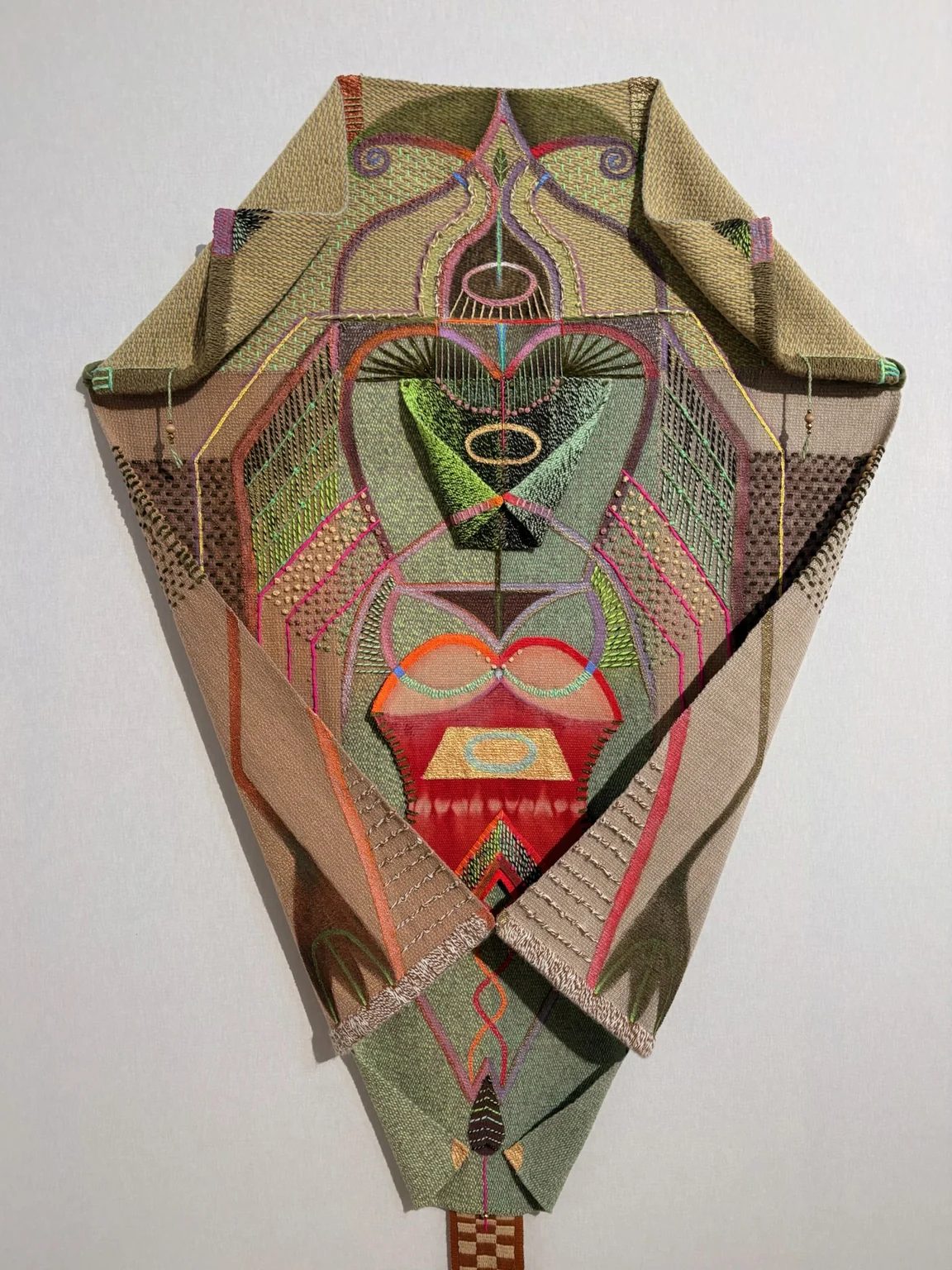
Giselle Lucía Navarro is a Cuban visual artist, writer and designer working across textiles and sculpture. Her practice combines literary references with an intuitive use of materials and a careful exploration of how works occupy space. Her work is conceptually rich, poetic and tactile.
Navarro’s practice is deeply rooted in ancestral craftsmanship. Her family has worked with textiles and artisanal practices for several generations, informing her understanding of textile as both a material and a carrier of stories and meaning. She is interested in how its tactile qualities can create a more intimate connection with the viewer.
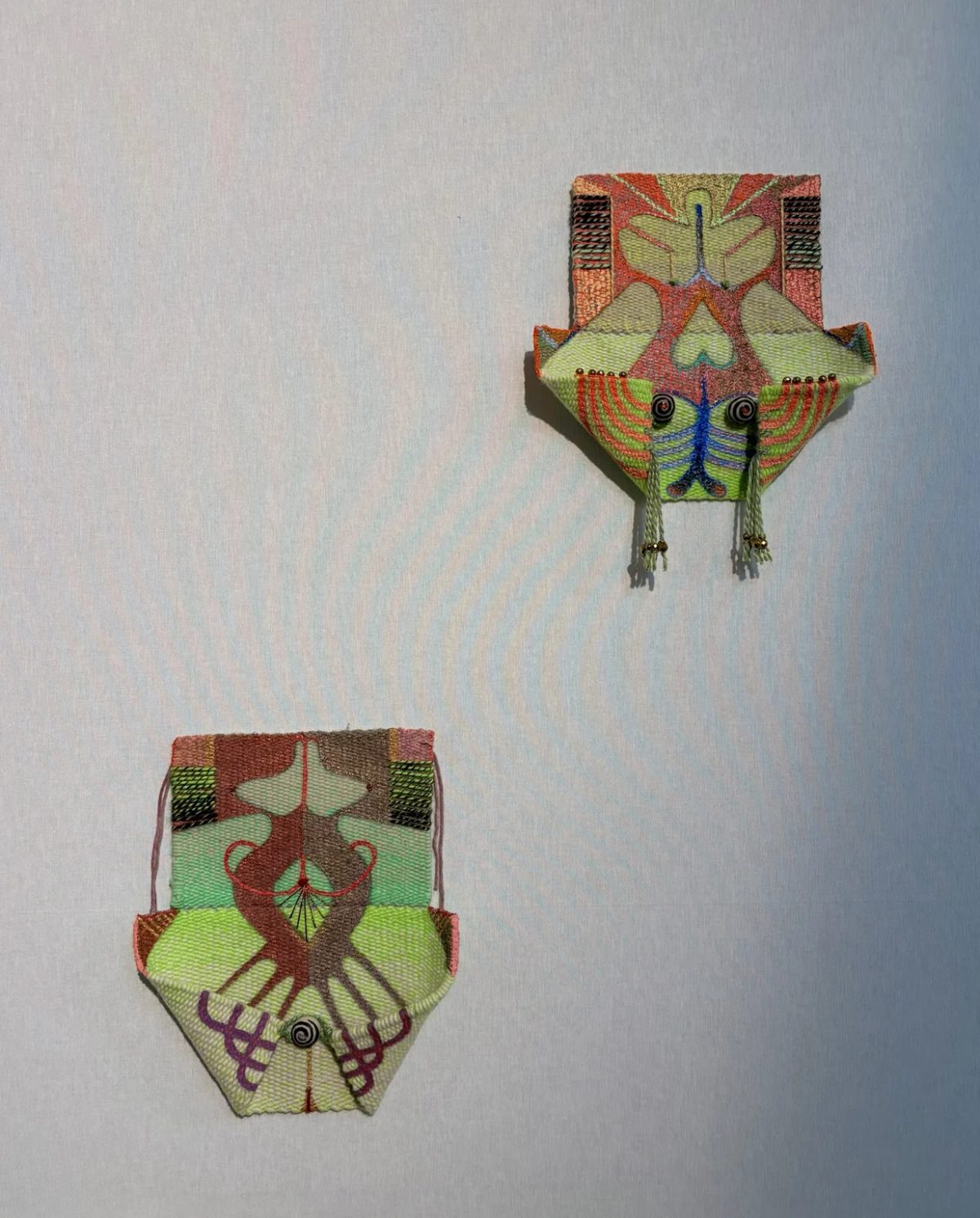
The works presented at MIRA included a large-scale textile sculpture from the series Ensoñaciones al reposo, which explores the sensory possibilities of textile, alongside smaller works from Ciudades etéreas, or Ethereal Cities. The series depicts domestic spaces marked by the absence of a person who has gone through a journey filled with symbols and events.
Although the individual does not appear, the objects and rooms retain traces of their presence. A chair ceases to be merely a chair and begins to acquire the personality of the person who is no longer there.
By focusing on the emptiness left behind, and on the way colour fills these shadowed interiors, Navarro connects private absence to contemporary questions of migration. Learn more about Giselle Lucía Navarro’s textile practice.
MIRA Art Fair Artist Highlight: Ernesto García Sánchez with Alejandra Topete Gallery
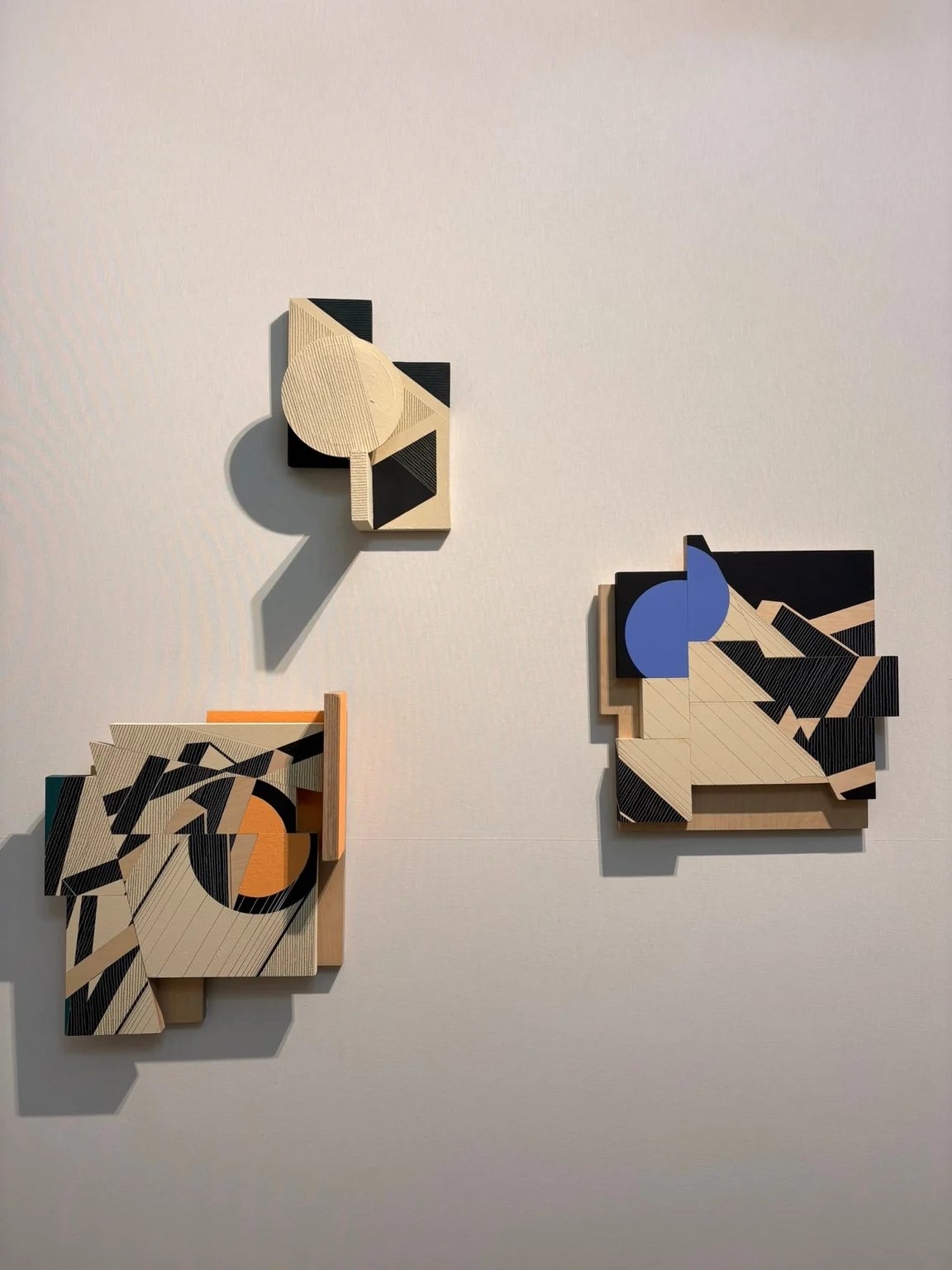
Ernesto García Sánchez is a Cuban artist living and working in Mérida, Mexico, whose practice spans painting, drawing and sculpture. Their visual language is heavily inspired by design, architecture and forms perceived in the physical world.
Throughout their practice, García Sánchez has explored the fractal object through perfect forms that break apart and multiply, creating new patterns and orders. In this way, they do not use art as a narrative tool, but as an introspective inquiry into the essence of painting.
Their abstract geometric compositions, made with acrylic on plywood, examine the fundamental building blocks of painting. Thus, the works presented at MIRA move beyond the conventional two-dimensionality of painting, challenging the frontal and flat perspective through which we typically encounter the medium. The morphological investigations were simple yet well-balanced, creating an almost meditative atmosphere for the viewer. Explore more of Ernesto García Sánchez’s practice.
MIRA Art Fair Artist Highlight: Verovcha with Mueve Galería
Verovcha is a Peruvian artist living and working in Urubamba, Cusco. With a distinctive visual language, her practice moves across canvas, linen and handmade paper, combining pastels, acrylics and wool.
Grounded in Tantric geometry and Andean weaving techniques, her work explores the connection between the body and nature. She considers the physical body as a vehicle for transcending the illusion of separateness, using ancestral textile forms to evoke spirituality, ecology and a sense of unity.
Colour plays an important role in both her artworks and the projects she pursues. Verovcha is the founder of Kutichi, a design studio in Cusco specialising in Andean weaving and natural dyeing practices. Through the project, she explores how artisanal creation is inseparable from a fertile and abundant earth.
The woven works presented at MIRA caught our eye through their precise geometric forms and harmonious colour combinations, which echo patterns found in nature. Discover more of Verovcha’s work.
An Extension of MIRA Art Fair: “Catacaos” by Lorenzo Vitturi at 193 Gallery
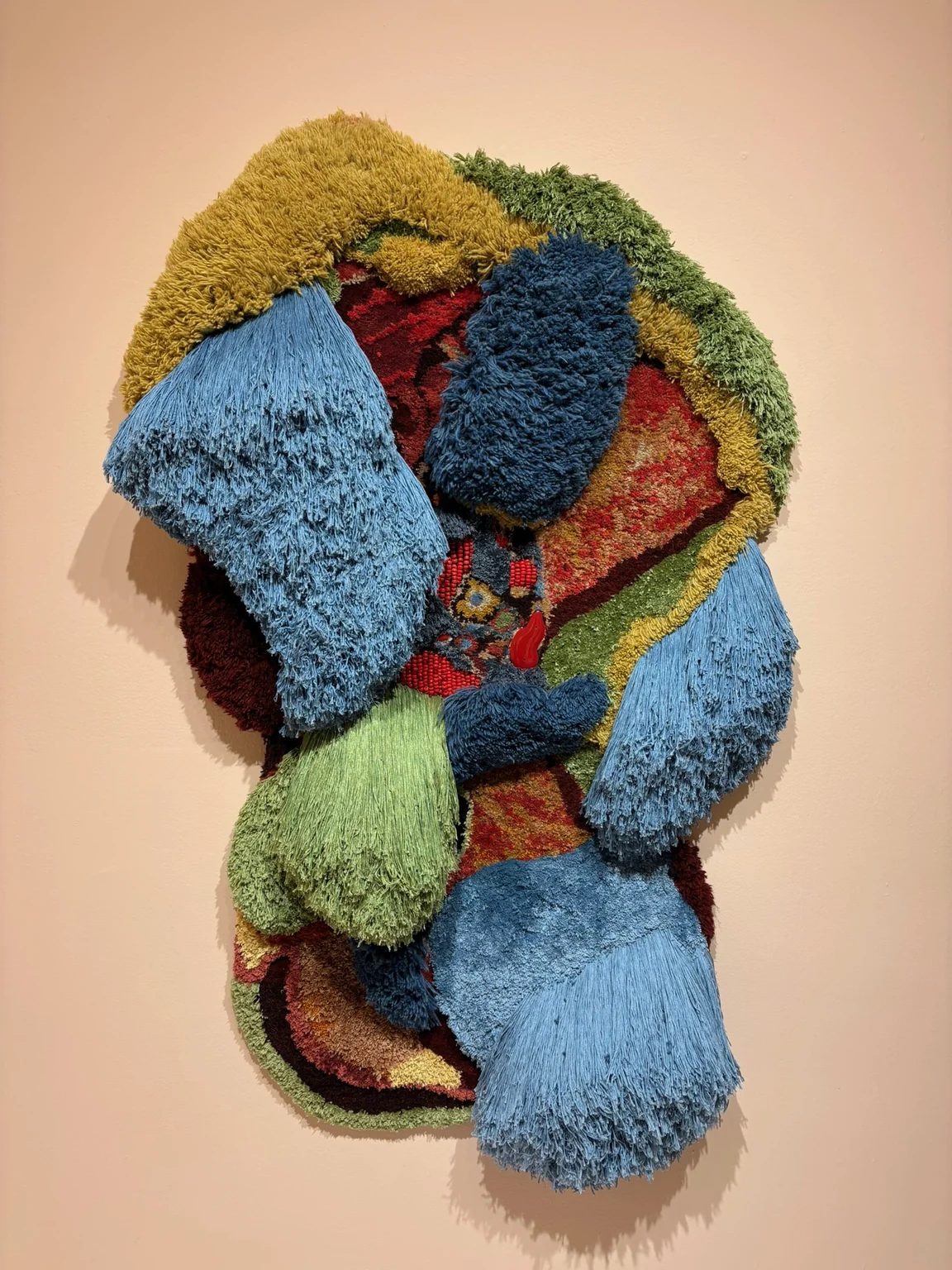
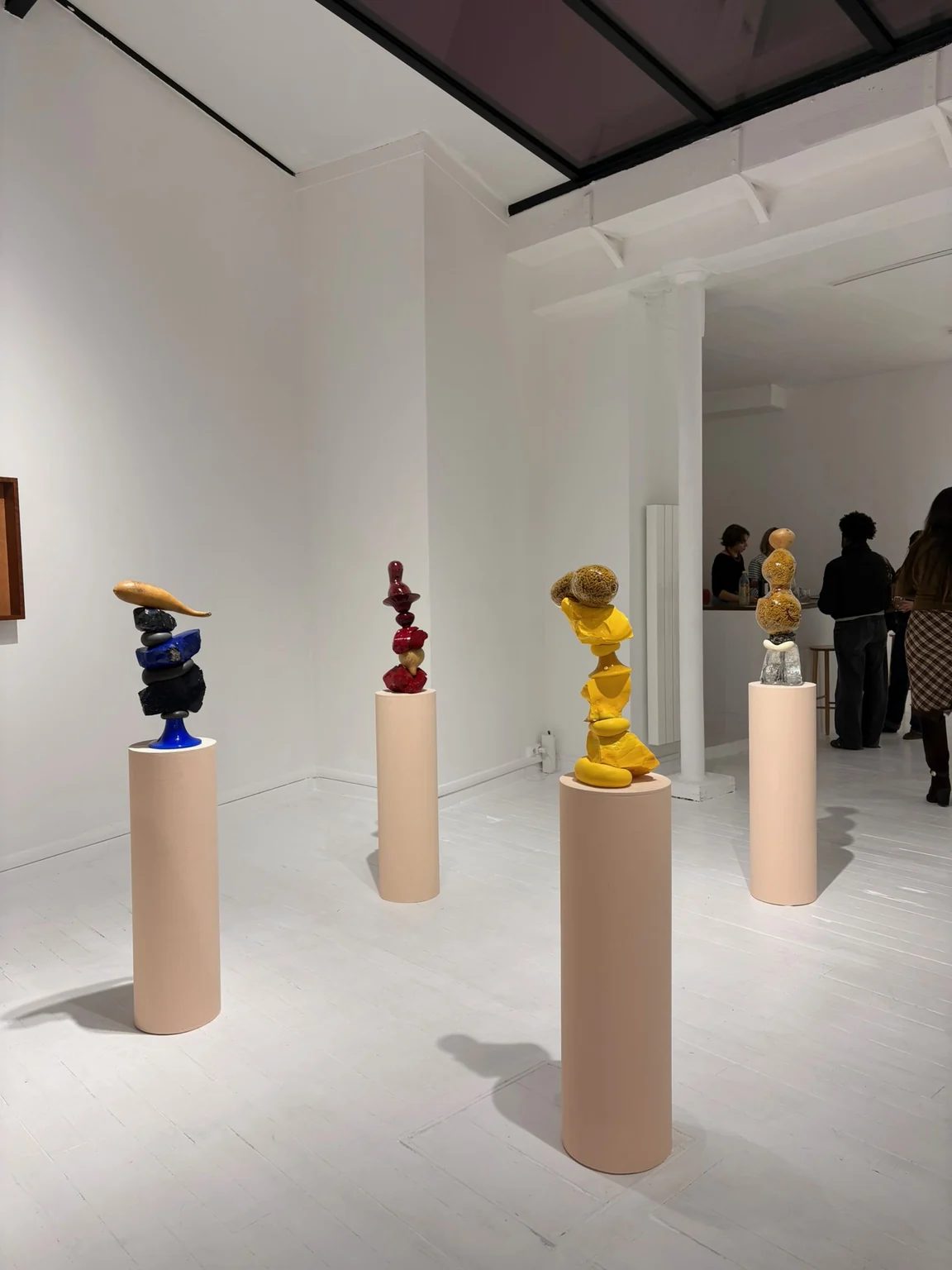
Alongside MIRA Art Fair, we attended the opening of “Catacaos” at 193 Gallery, Lorenzo Vitturi’s first solo exhibition with the Parisian gallery. The exhibition is named after a small town in Peru, where the artist’s great-grandfather was from.
What initially led Vitturi there, however, was an interest in poto, or calabash, a dried and hollowed-out gourd traditionally used to serve and share chicha de jora, an ancient fermented corn drink.
The vessel is integral to the craftsmanship of Catacaos, and materiality is equally central to the exhibition, where materials become carriers of tradition, place and individual and collective memory. Vitturi’s existing and newly created works are spread across the gallery’s rooms, bringing together photography, sculpture and tapestry.
In an attempt to trace personal histories, identity and cultural hybridisation, his practice draws on the histories of materials and artisanal traditions, notably Murano glass and Peruvian wool. His creative process involves assembling different elements, whether mineral, textile or organic, to forge unexpected connections between personal, cultural and material histories.
The exhibition remains on view through January 9, 2027, so if you are in Paris, it is well worth a visit. Read more about the exhibition here.