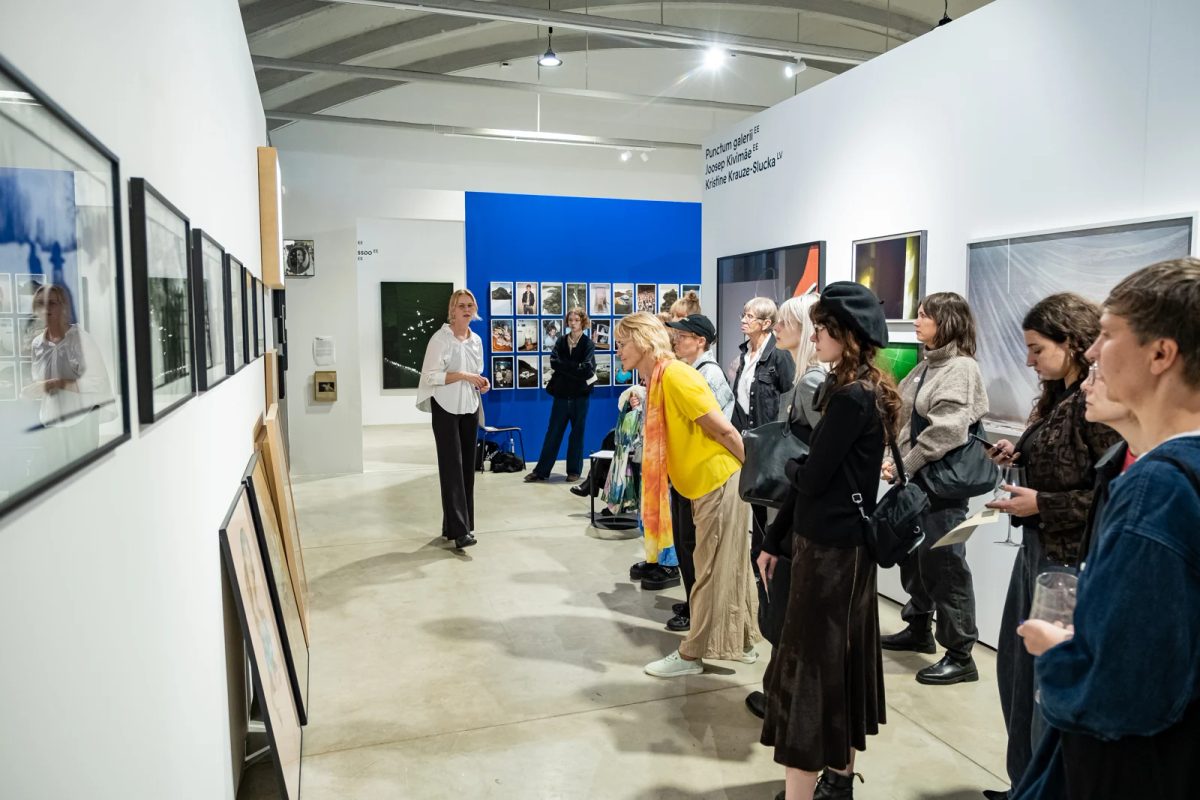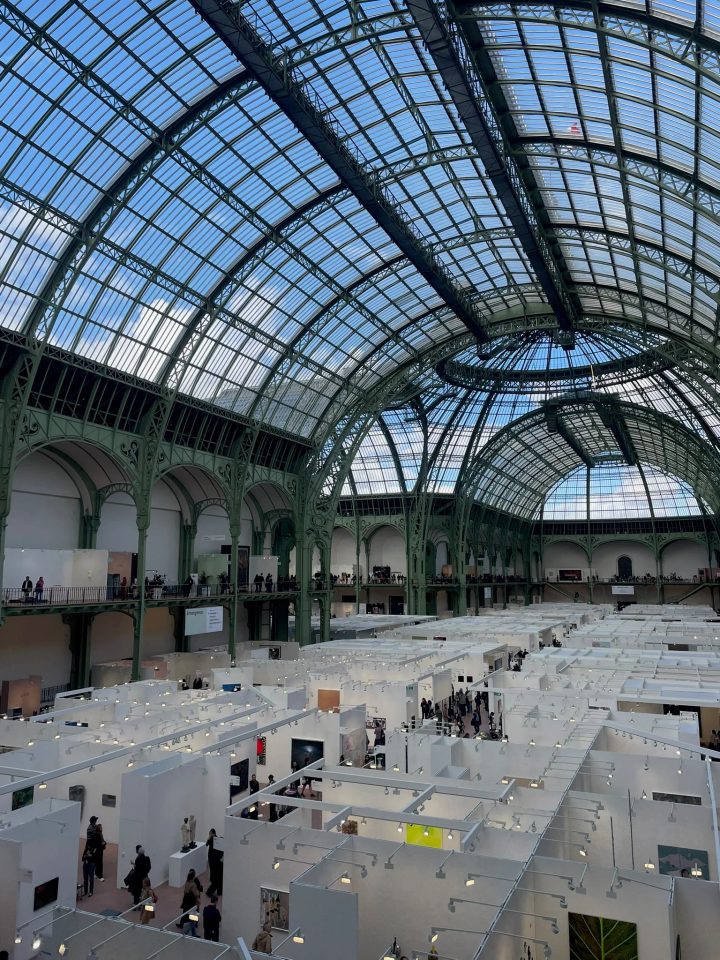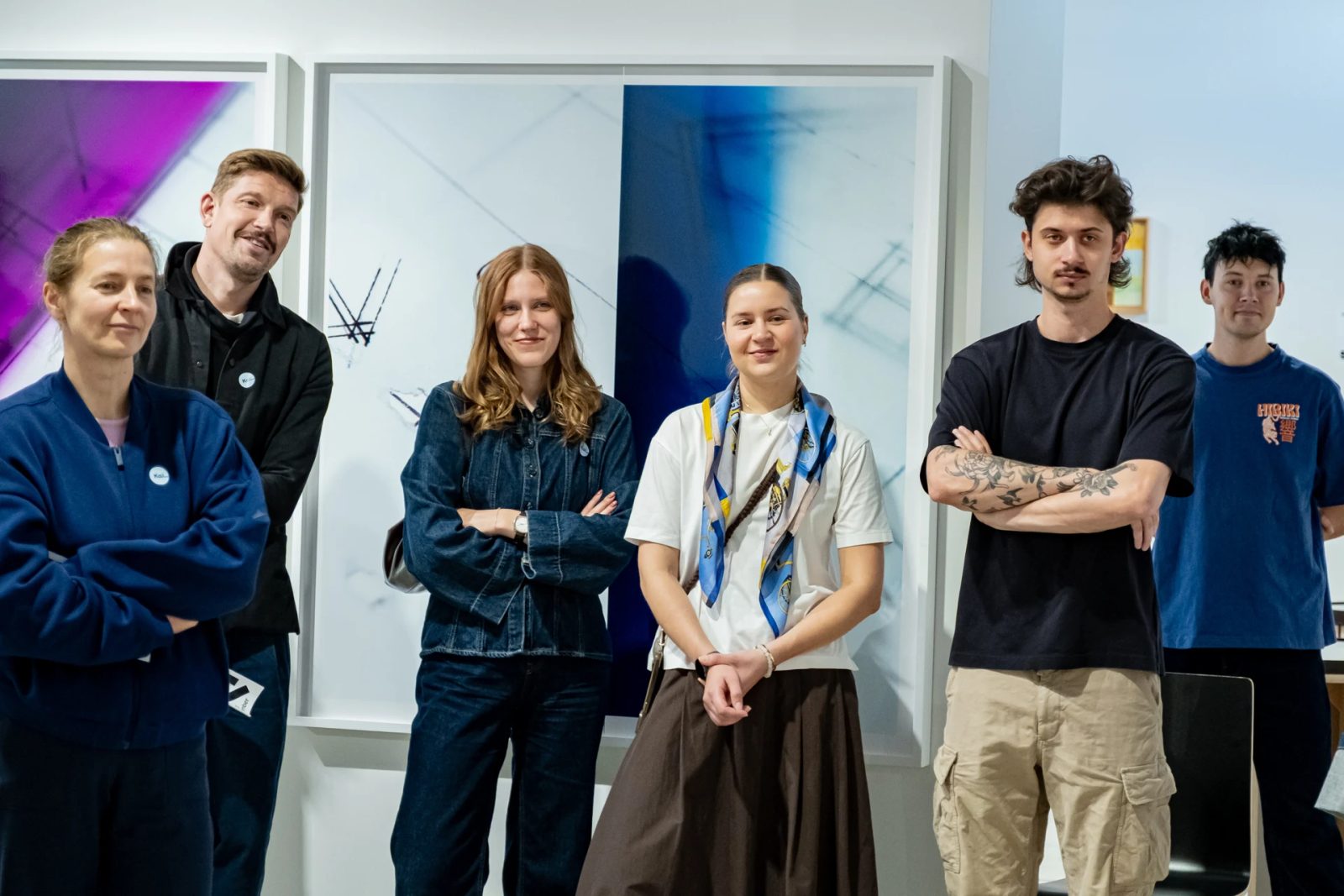
This past weekend, we had the pleasure of attending FOTO Tallinn, Estonia’s only international art fair dedicated to contemporary photography, held at the beautiful Kai Art Center at the Noblessner harbour.
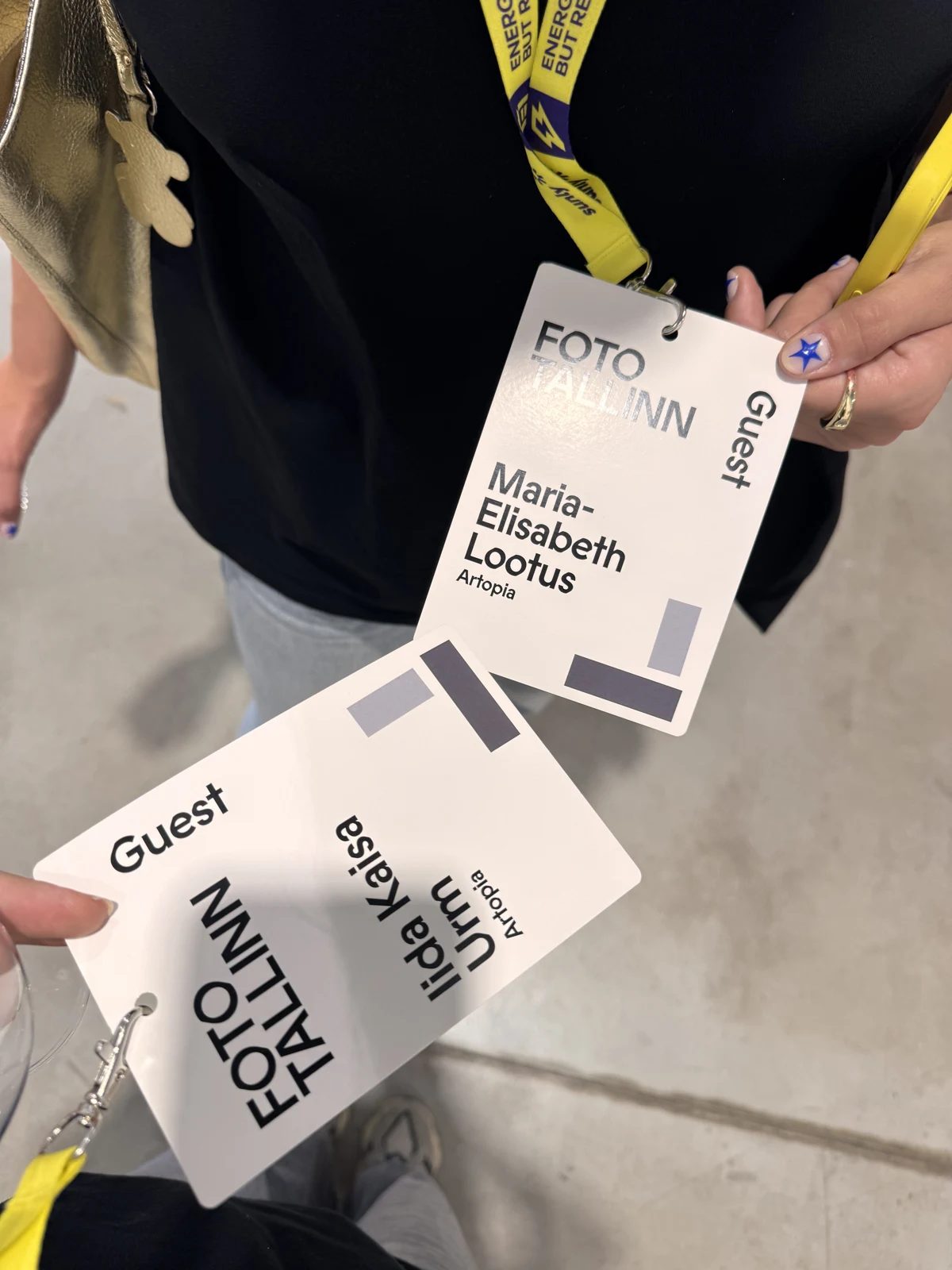
The fair brought together 45 artists and 16 art galleries and 15 independently exhibiting artists, alongside a diverse public programme and a private programme for art collectors. As Tallinn is our hometown, this was a particularly personal edition for us. It was exciting to see such a broad audience gather around photographic art: not only experienced collectors and art enthusiasts, but also local visitors who may have been encountering contemporary photography as an art form for the first time.
Public & Private Programme Highlights
The fair’s programme included artist talks, panels on contemporary art in the Nordic and Baltic regions, discussions around private and corporate collecting, photography in museums, curator-led tours, and more.
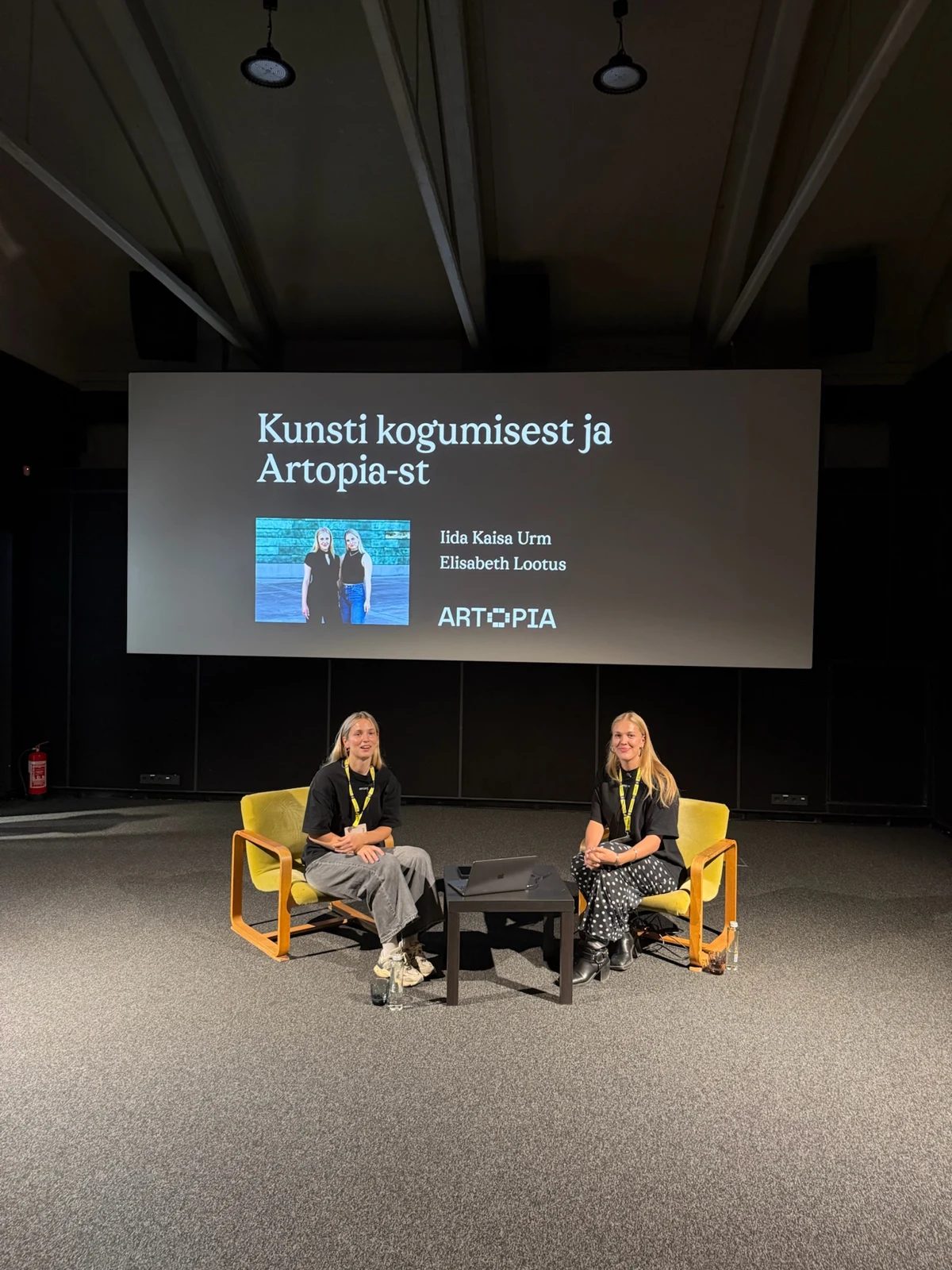
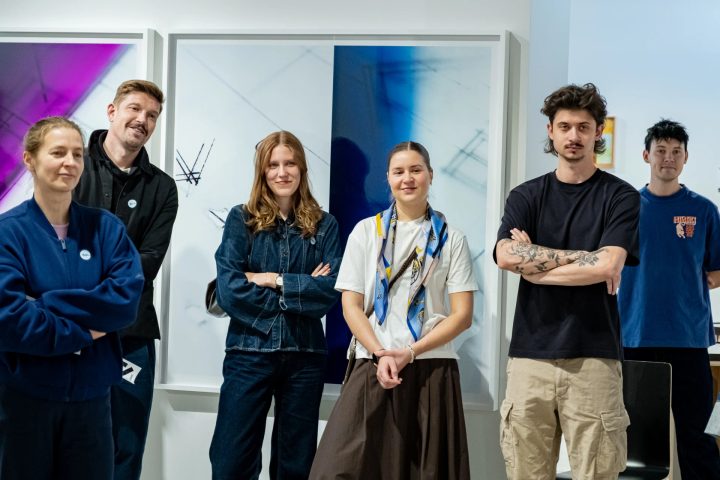
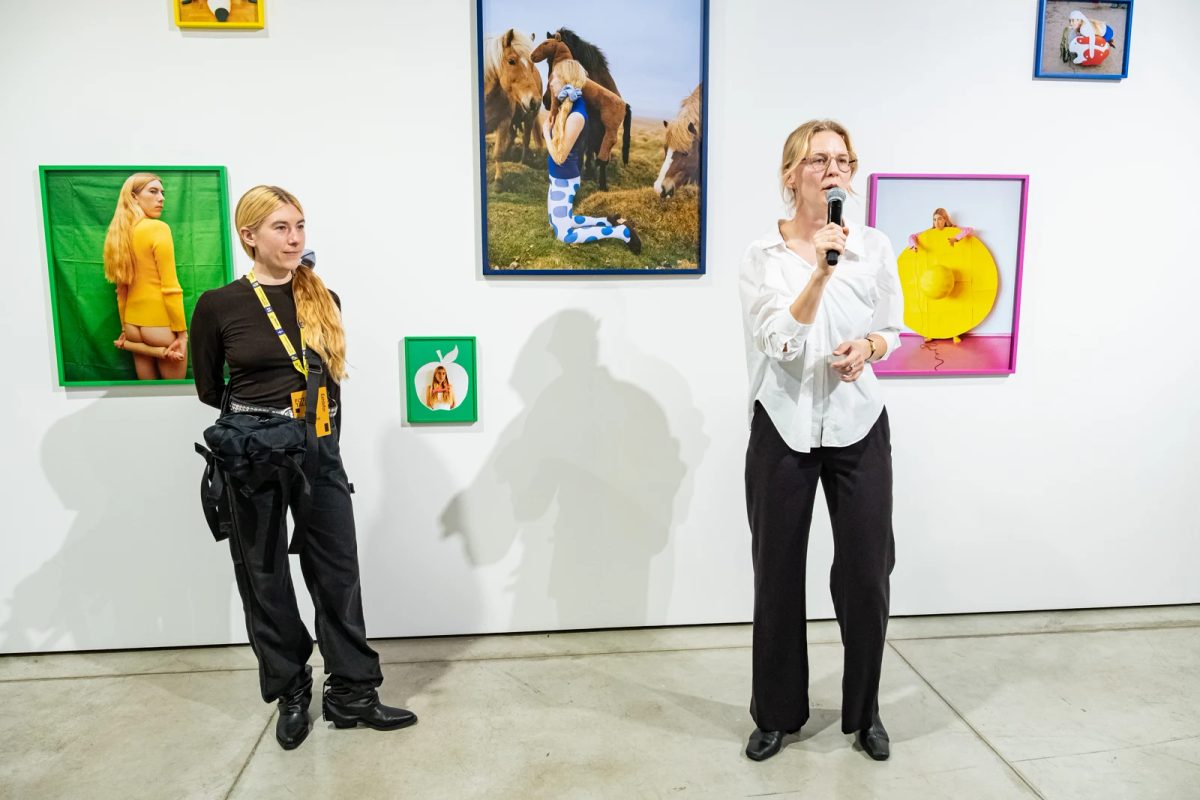
We were also pleased to take part in the public programme as panelists, introducing Artopia, speaking about art inventory management and its importance in collecting. We took the stage after a public tour and introduction to collecting led by the fair’s organisers, Lilian Hiob-Küttis and Kadi-Ell Tähiste (ELLELL Advisory).
It was especially encouraging to see such a substantial audience of emerging collectors and art enthusiasts interested in Artopia. The audience’s questions and active participation in the conversation were insightful for us as founders, and reaffirmed the importance of building practical tools for documenting and managing an art collection.
The warm response to our presentation left us feeling even more confident that solutions such as Artopia can support collectors not only in acquiring works, but also in caring for and understanding their collections over time.
A gallery highlight: Galerija ASNI and Agate Tūna
Our gallery highlight was the Latvian gallery Galerija ASNI, founded and run by Elīna Drāke and Auguste Petre, with works by Agate Tūna.
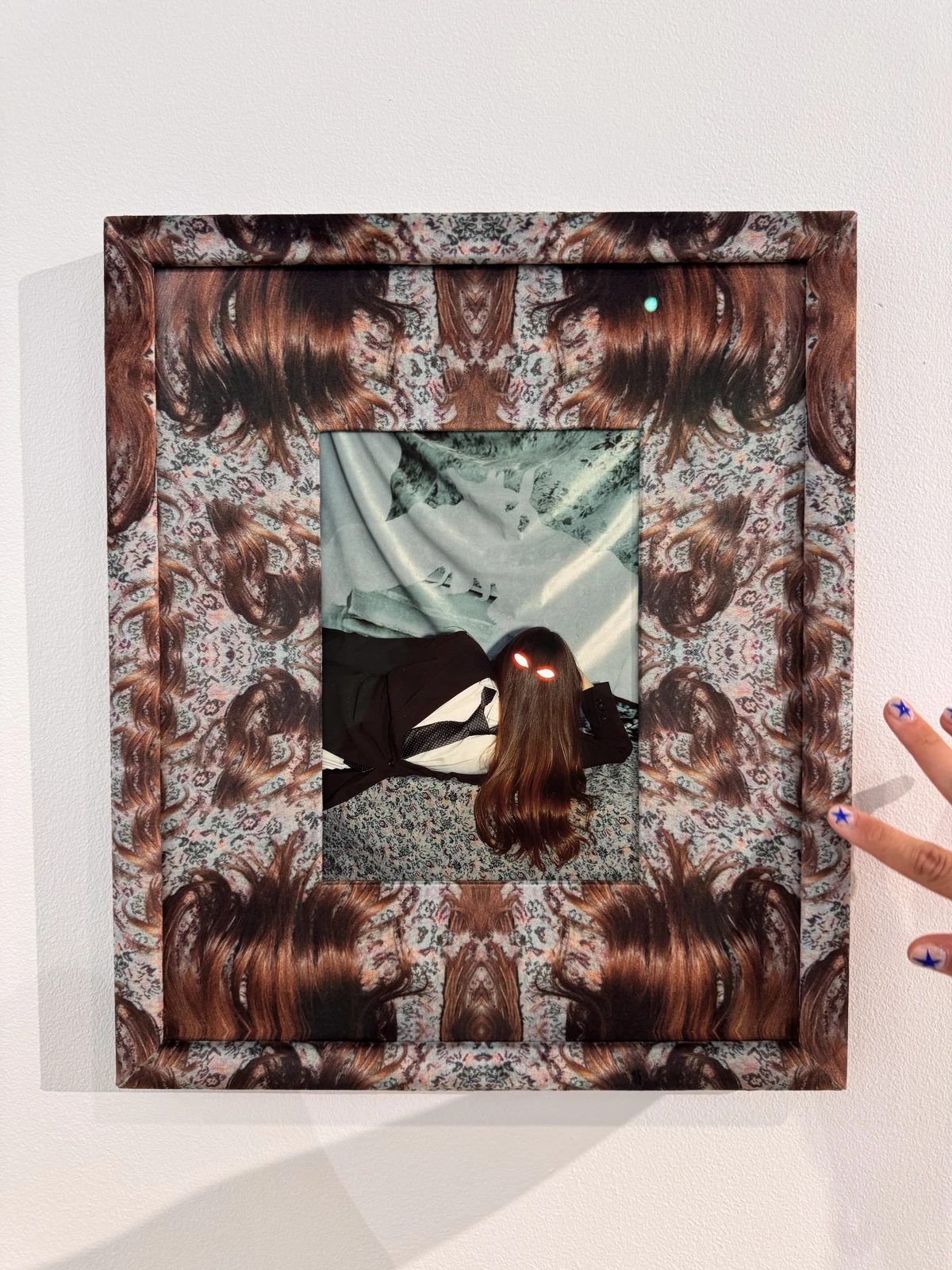
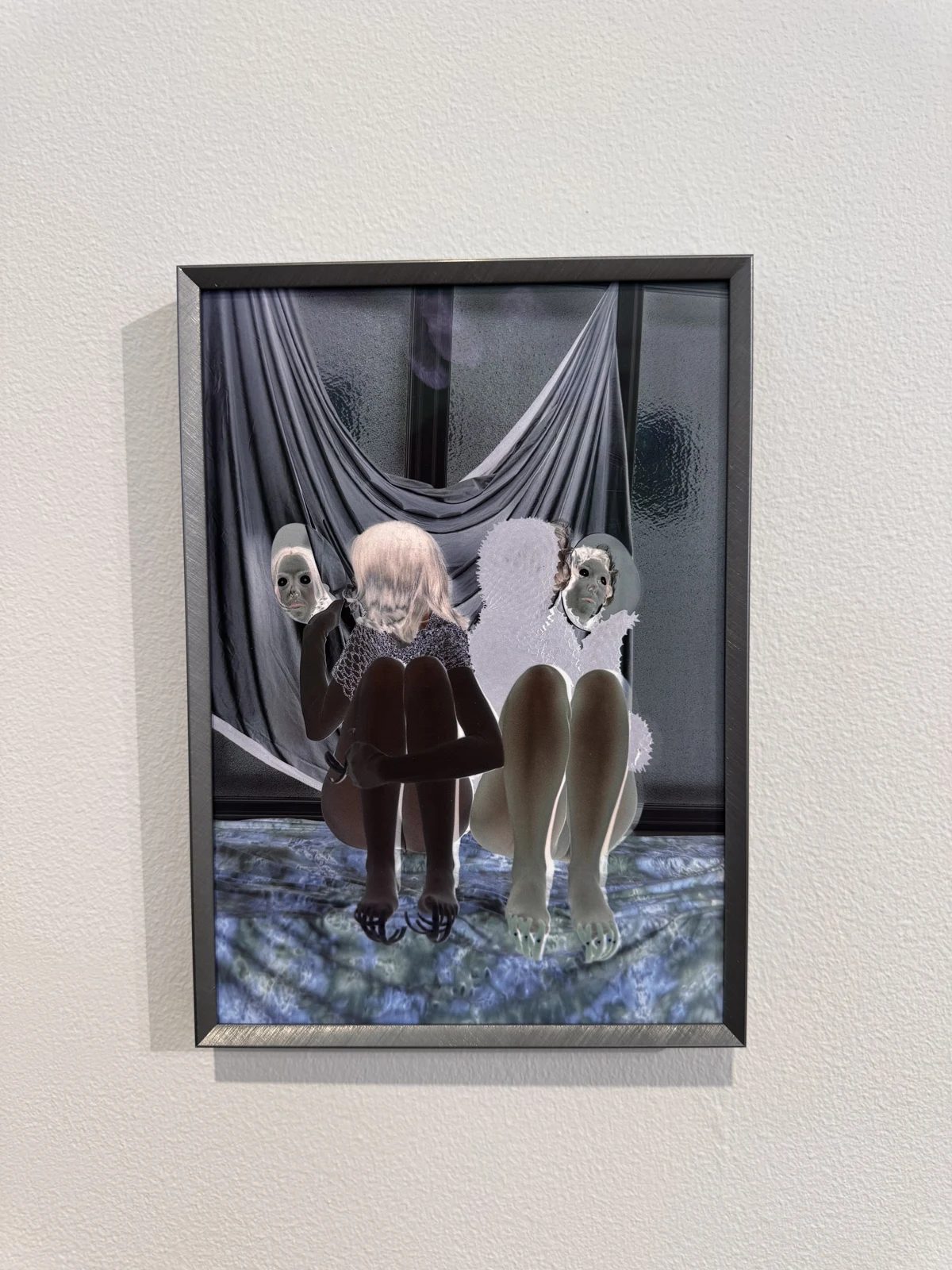
Tūna embraces a multidisciplinary approach to art-making, working across analogue and experimental photography, photographic installations, video, and sound. The pieces chosen for FOTO Tallinn perfectly captured her creative process and the wider themes of her work. The photographs, depicting various female figures staged within different compositions, felt haunting and slightly otherworldly.
The emphasis on materiality made the works feel alive, almost as if the figures existed in the room with you. The play with photographic negatives gave the works a spiritual aura and, without a doubt, left an impression on us.
An artist to remember: Emma Sarpaniemi
It was so exciting to see the Finnish artist Emma Sarpaniemi, represented by Helsinki Contemporary, once again after a small break since the CHART Art Fair in Copenhagen.
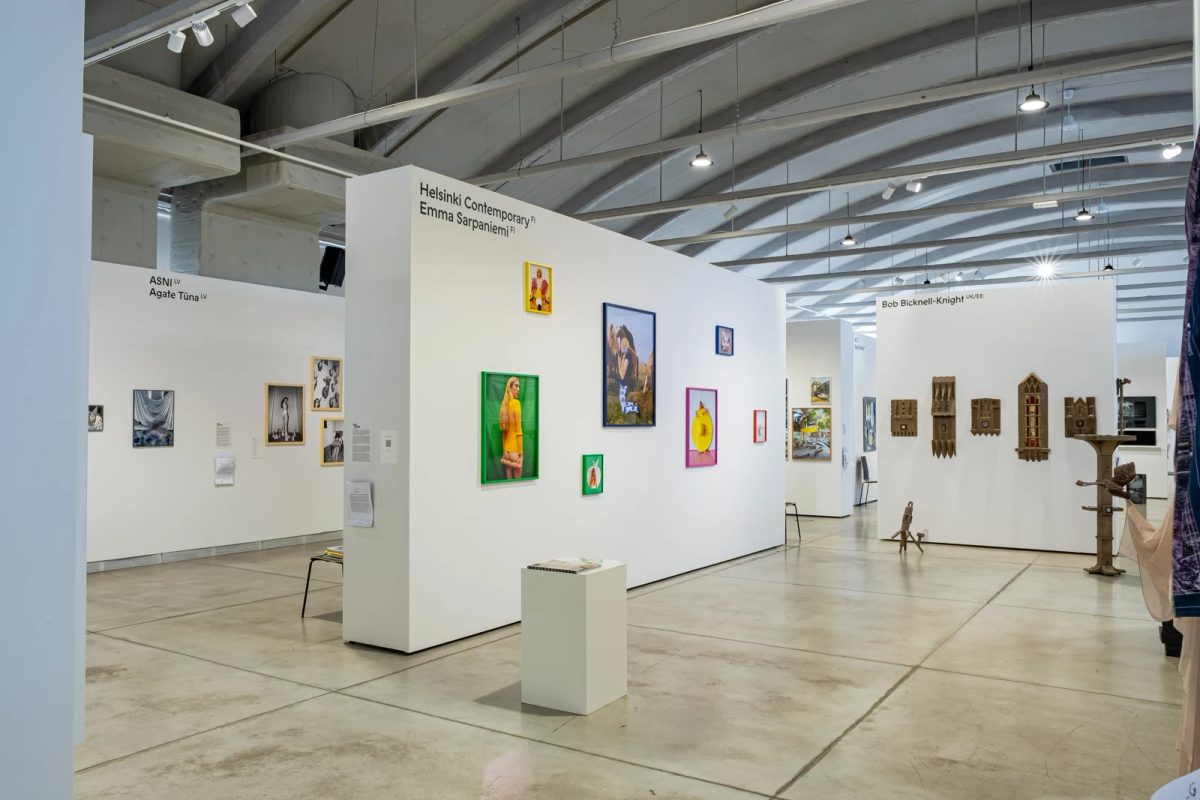
Emma explores themes of femininity and womanhood through her playful and performative self-portraits. Her joyful approach creates a fictional world that invites you to return to a more childlike imagination.
By placing herself both in front of and behind the camera, Emma also raises questions about who gets to decide how women are represented in photography. The female gaze is placed at the centre of her creative process, while the use of costumes, props, movement, and domestic settings gives the works a sense of playfulness and freedom.
Her photographs are joyful and imaginative, but they also make you think more deeply about femininity, gender roles, and the way we look at images.
Exploring Tallinn’s art scene beyond FOTO Tallinn
As a part of the private programme dedicated to art collectors, we had the opportunity to explore the best that the Tallinn art scene has to offer.
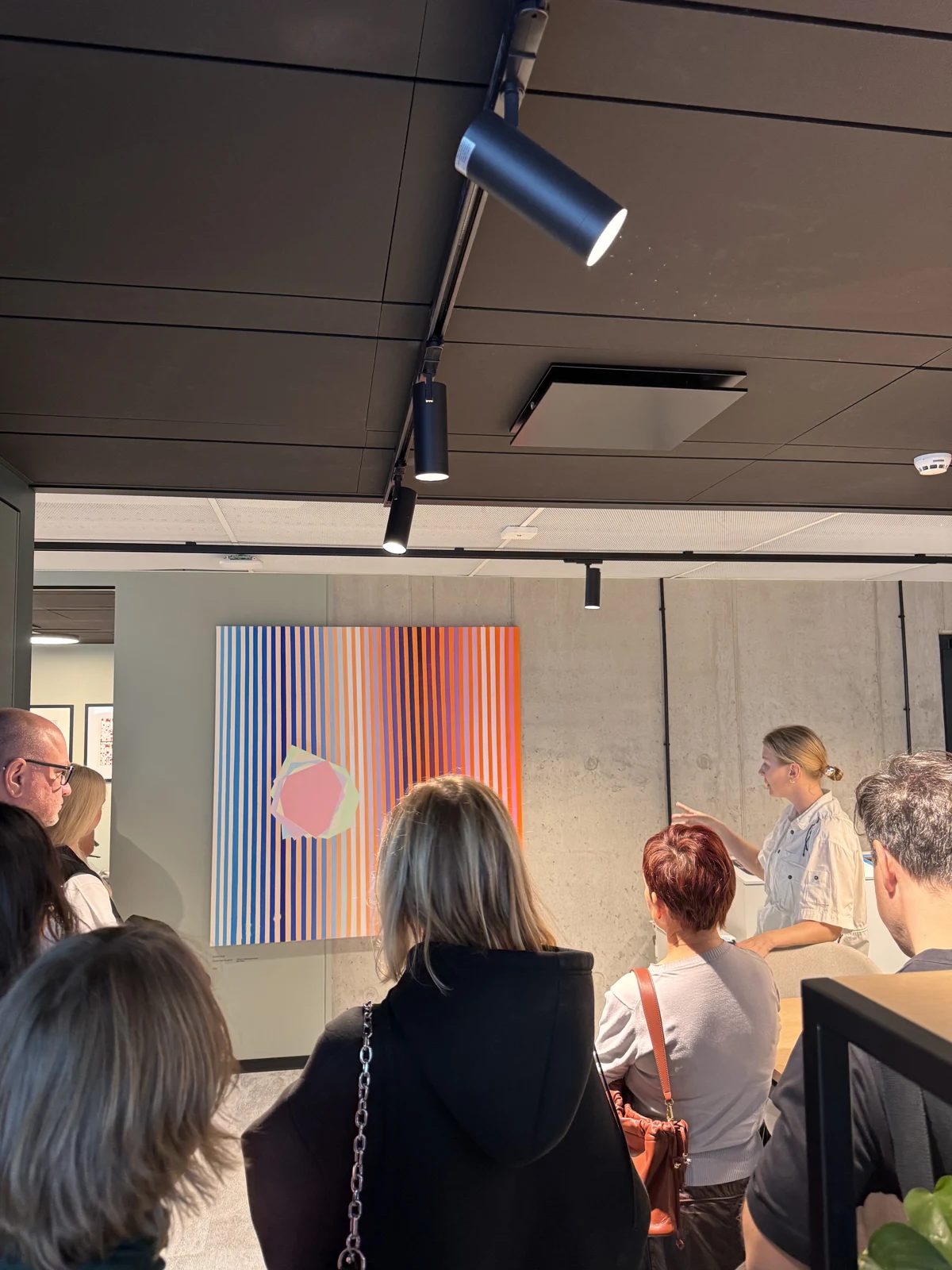
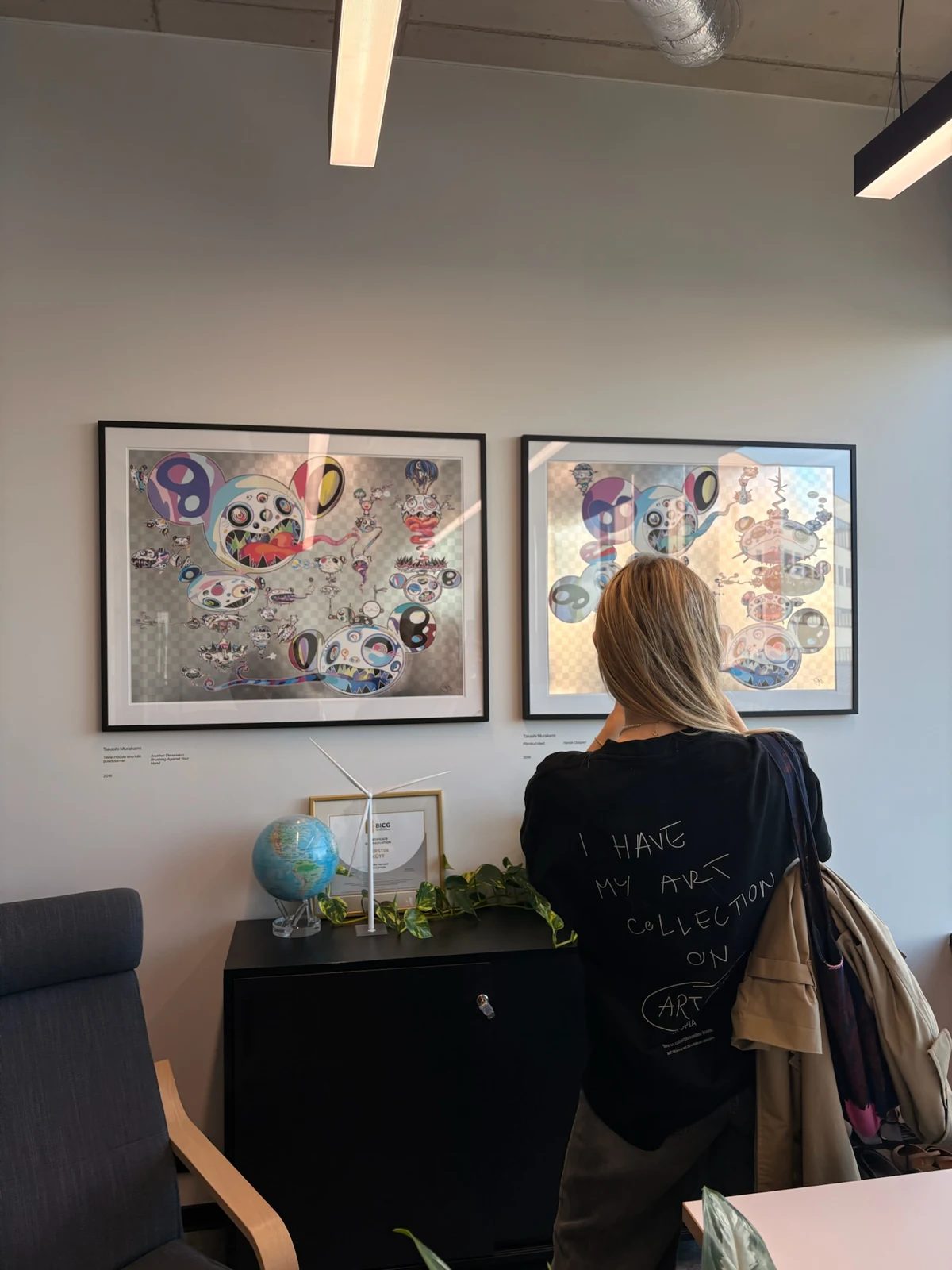
We started our tour with a visit to the private corporate collection at the Sunly headquarters. It was empowering to see the collection’s strong focus on Estonian artists from different time periods. The thoughtful curation of the works throughout the space reminded us that art always exists in a context, and that this context should also be honoured in corporate settings.
In this way, people working at or passing through the office can engage with Estonia’s artistic heritage while learning more about the artists, the works’ origins, their provenance, and more. The visit was also a meaningful reminder of why documenting and understanding the works in a collection is so important.
Our programme continued with visits to Tallinn Art Hall, where we had the honour of being taken around the building, still under construction, by its director, Paul Aguraiuja. This was one of the most exciting visits for us, as the building holds an important place in Estonian art history.
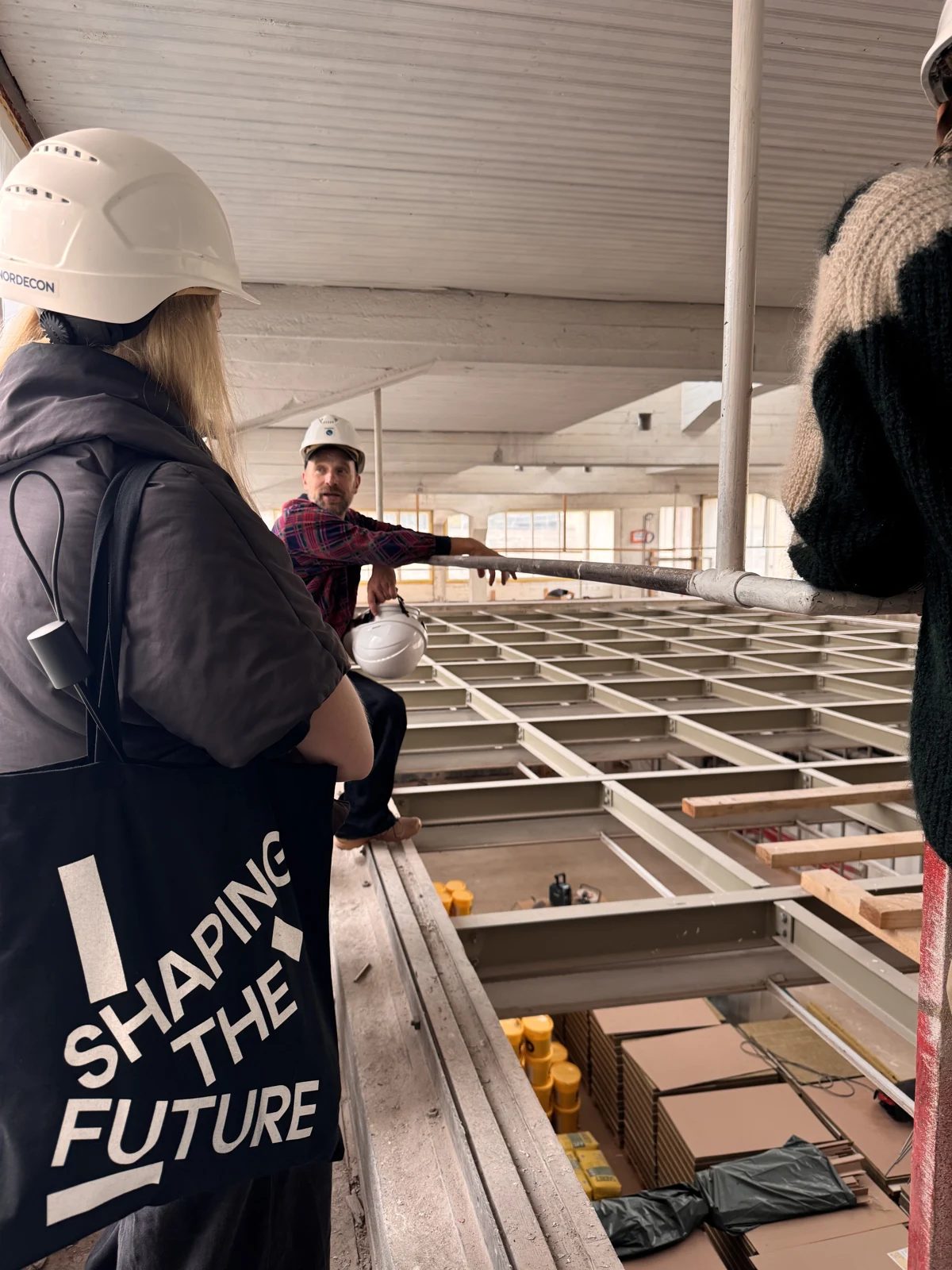
The renovated building is scheduled to reopen to the public in early December this year and will once again serve as a central artistic hub, with exhibition spaces, studios, spaces for artists in residence, and areas for dining and meeting.
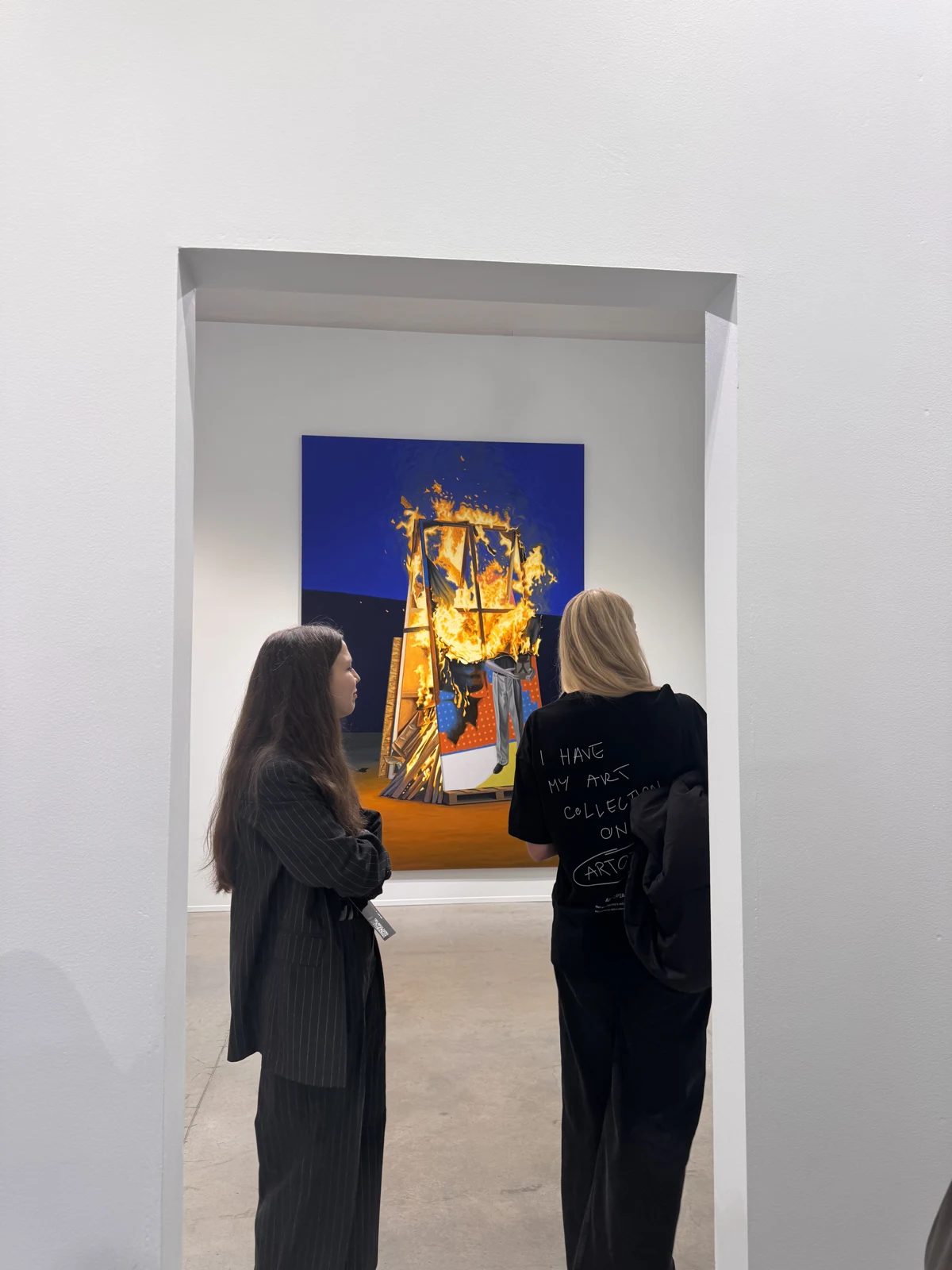
We finished with a quick gallery-hopping tour around Noblessner, visiting Temnikova & Kasela Gallery, which was exhibiting works by Kaido Ole, Tütar Gallery, with works by August Sai, and Punctum Gallery, which was exhibiting Marge Monko.
It was a lovely way to end the programme and gave us the chance to see more of Tallinn’s art scene beyond the fair itself.
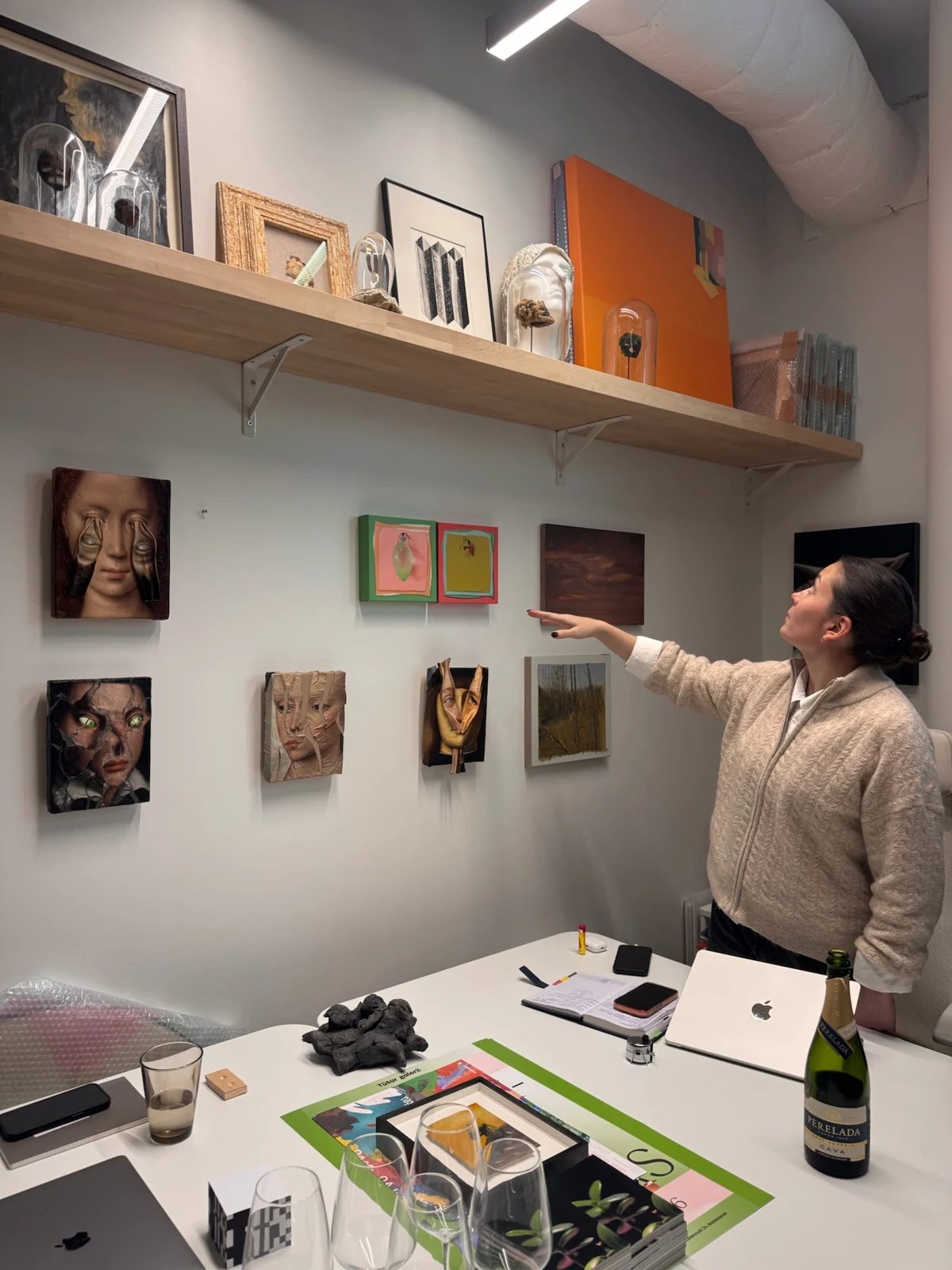
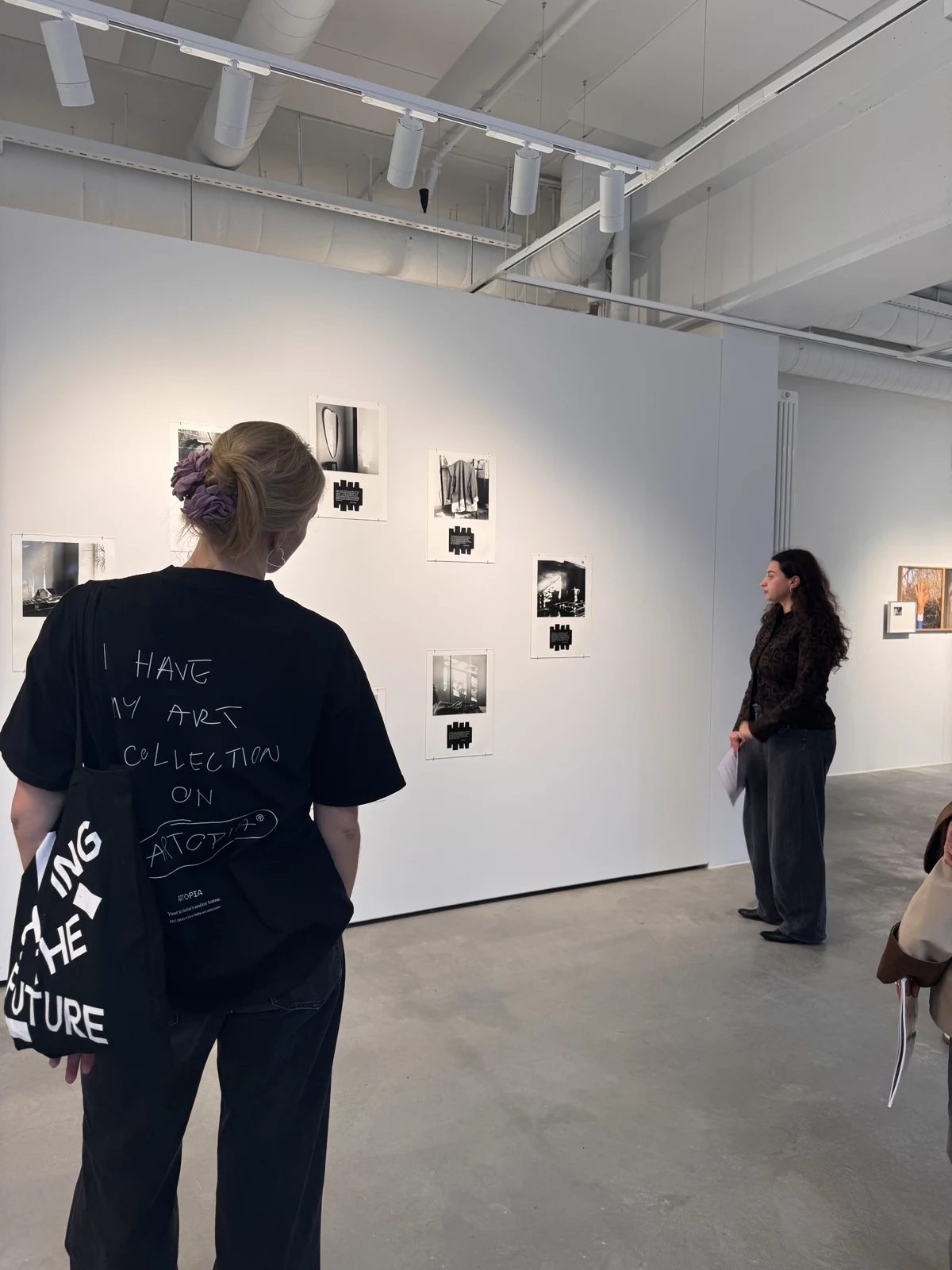
FOTO Tallinn 2026 by numbers
Compared with the 2024 edition, FOTO Tallinn 2026 doubled its visitor numbers. During the three-day fair, 48 works by 20 artists were sold, while turnover increased by 62%. These numbers point to the growing interest in contemporary photography in Estonia and beyond. But what stayed with us was not only the scale of the fair. It was the combination of international perspectives, local energy, and the sense of openness that ran through the weekend.
We were proud to be part of FOTO Tallinn in our hometown, and grateful for the opportunity to contribute to its programme. We left the fair inspired by the artists, collectors, galleries, and conversations we encountered, and hopeful that even more people will continue to discover photography as a rich and exciting form of contemporary art.