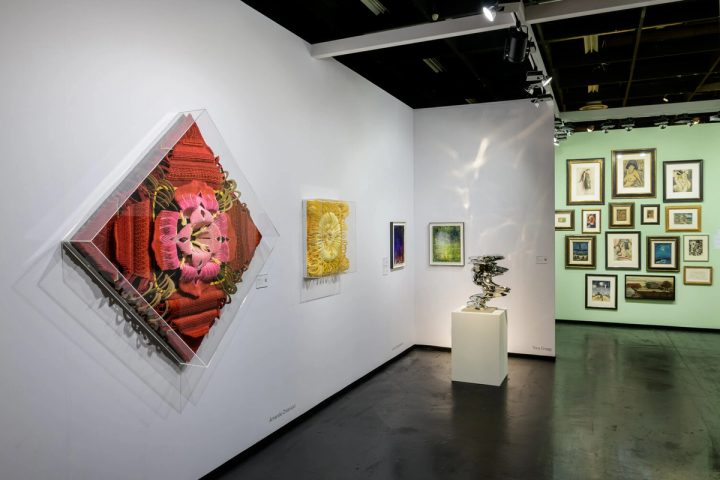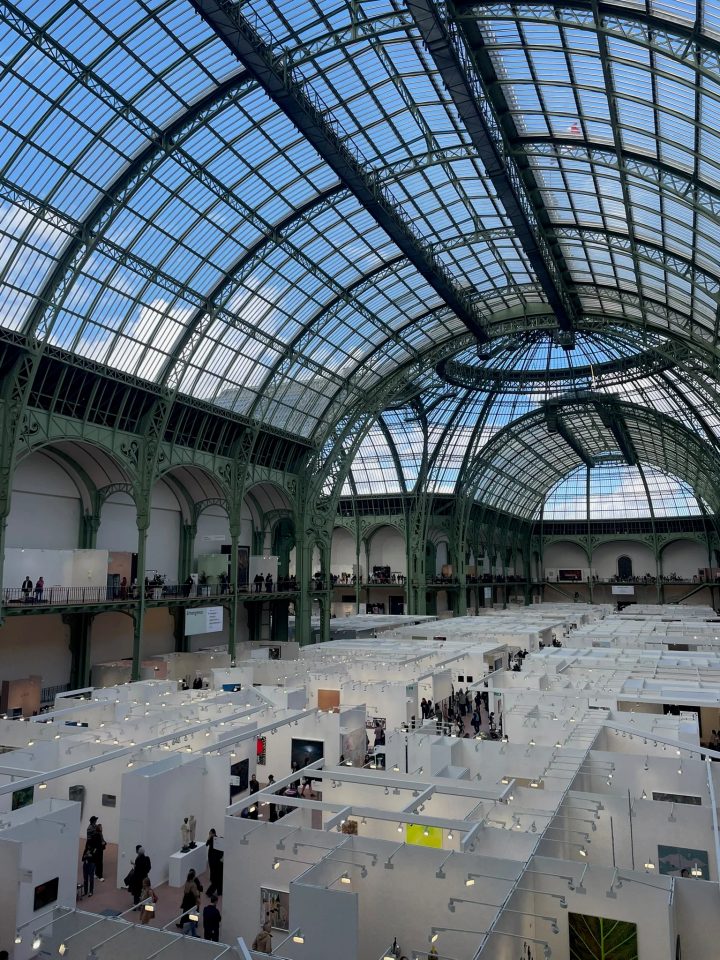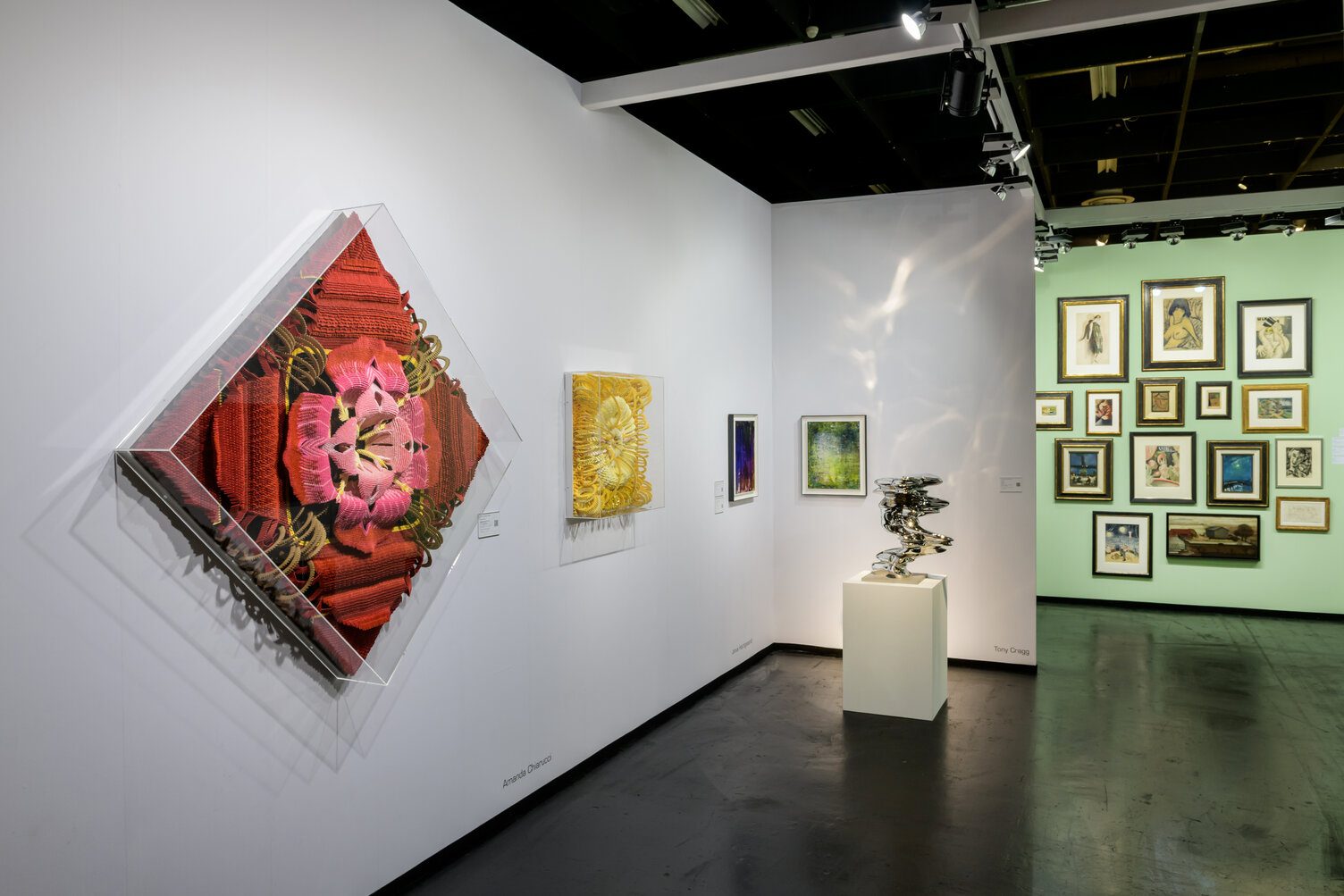
Cologne Art Week 2026 brings together fairs, exhibitions and gallery programmes across 2–8 November, centred on Art Cologne from 5–8 November. This year, Prospect Cologne launches its first edition, while Neu Cöln brings contemporary art, performance and music into a former monastery, giving visitors more reasons to explore the city between fair visits.
Moving between fairs and exhibitions gives you time to discover an artist, understand a wider practice and return to the works with a different perspective. Our selection brings together the week’s main destinations and a few smaller discoveries, leaving room for conversations, unexpected encounters and the works that deserve a second look.
1. Art Cologne
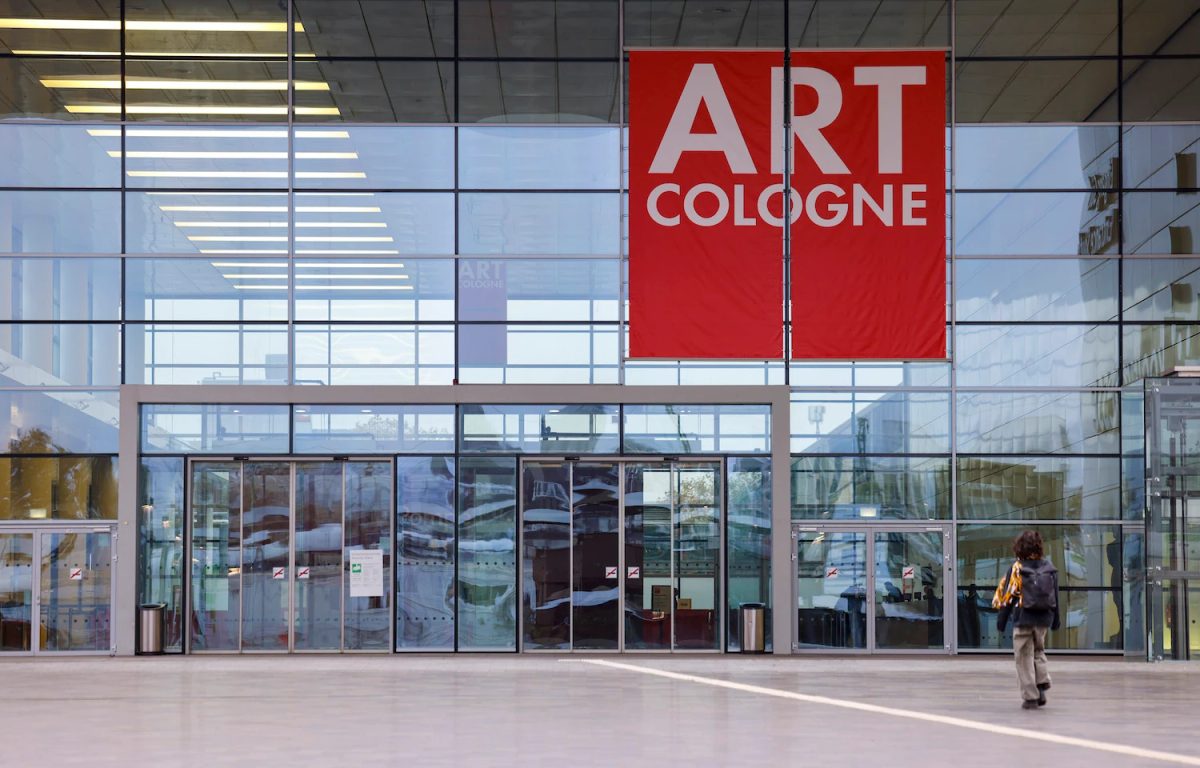
Art Cologne is the starting point for the week. Founded in 1967, the fair brings modern, postwar and contemporary art into one setting, giving visitors a chance to follow connections between established artists and practices still finding their audience.
Make time for Neumarkt, which includes younger galleries and curated projects, and New Positions, the programme supporting emerging artists through presentations alongside their galleries’ stands. These are useful places to begin when you want to encounter work outside your usual interests.
Arrive with something you want to explore, whether it is a medium you collect, a generation you want to understand or a material that keeps catching your attention. Follow that thread, then allow yourself to be distracted. Some of the most useful conversations begin at a stand you had no intention of visiting.
2. Prospect Cologne
Prospect is one of the most interesting developments in Cologne’s fair week. The new contemporary art fair brings together 19 international galleries in the former State College of Photography.
The inaugural selection connects galleries closely associated with Cologne, including Buchholz and Gisela Capitain, with international participants such as Misako Rosen from Tokyo and King’s Leap from New York. That combination gives the fair both a local connection and a wider perspective.
Its smaller scale makes Prospect an appealing place to spend time with individual presentations and learn more about the galleries behind them. For returning visitors, it also adds a new destination to the familiar Cologne itinerary.
Plan this visit before Sunday, as Prospect closes on Saturday, a day earlier than Art Cologne.
3. Neu Cöln
Neu Cöln gives the week a different rhythm. Presented as an independent interdisciplinary festival, it combines an exhibition with concerts, performances, readings, talks and screenings inside a former monastery.
The artist list includes Rosemarie Trockel, Albert Oehlen, Renate Bertlmann and Wu Tsang, bringing together different generations and approaches to making art. It is a particularly interesting stop for visitors whose interests extend across visual art, moving image and live performance.
Alongside Prospect, Neu Cöln helps extend the week further into the city. Its evening hours also make it possible to follow a daytime exhibition with a performance or screening. Choose something from the daily programme and leave time to explore the exhibition around it.
4. Museum Ludwig
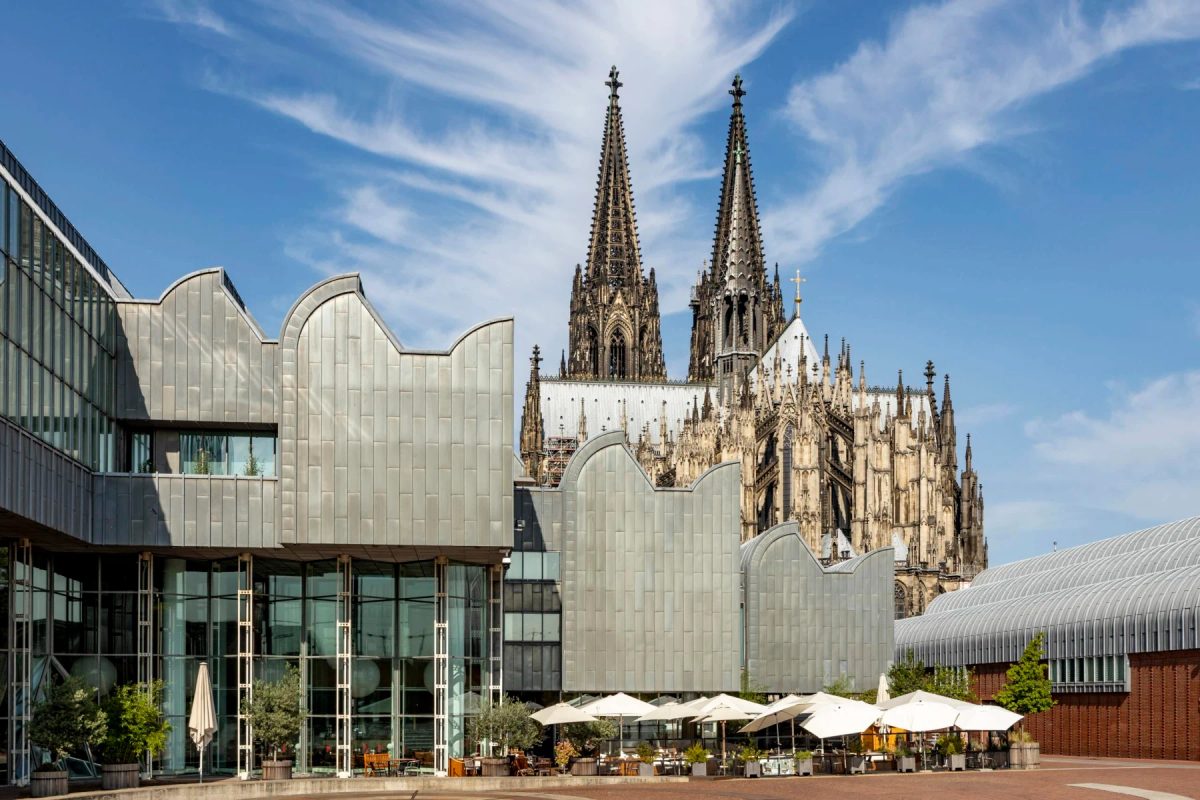
The museum’s 50th-anniversary exhibition, Along the Color Line, examines connections between the international Black diaspora and European modernism. Paintings, sculpture, drawings, literature and music bring international loans into dialogue with the museum’s collection.
For collectors, the exhibition offers a chance to revisit familiar histories through artists and exchanges that have received less attention. It is worth protecting a generous block of time for this visit, especially if the fairs have raised questions about how artistic reputations and collections are formed.
From 7 November, the museum also presents five paintings from Lee Ufan’s Response series as part of his Wolfgang Hahn Prize exhibition. This focused presentation offers a quieter encounter with gesture, space and the relationship between painted and untouched canvas.
Before leaving, consider De/Collecting Memories from Turtle Island, featuring Marie Watt and Wendy Red Star. Closing on 8 November, it examines historical images of North America and the perspectives they omit. Watt’s suspended jingle sculptures introduce touch and sound into the experience.
5. Soufiane Ababri at Dittrich & Schlechtriem
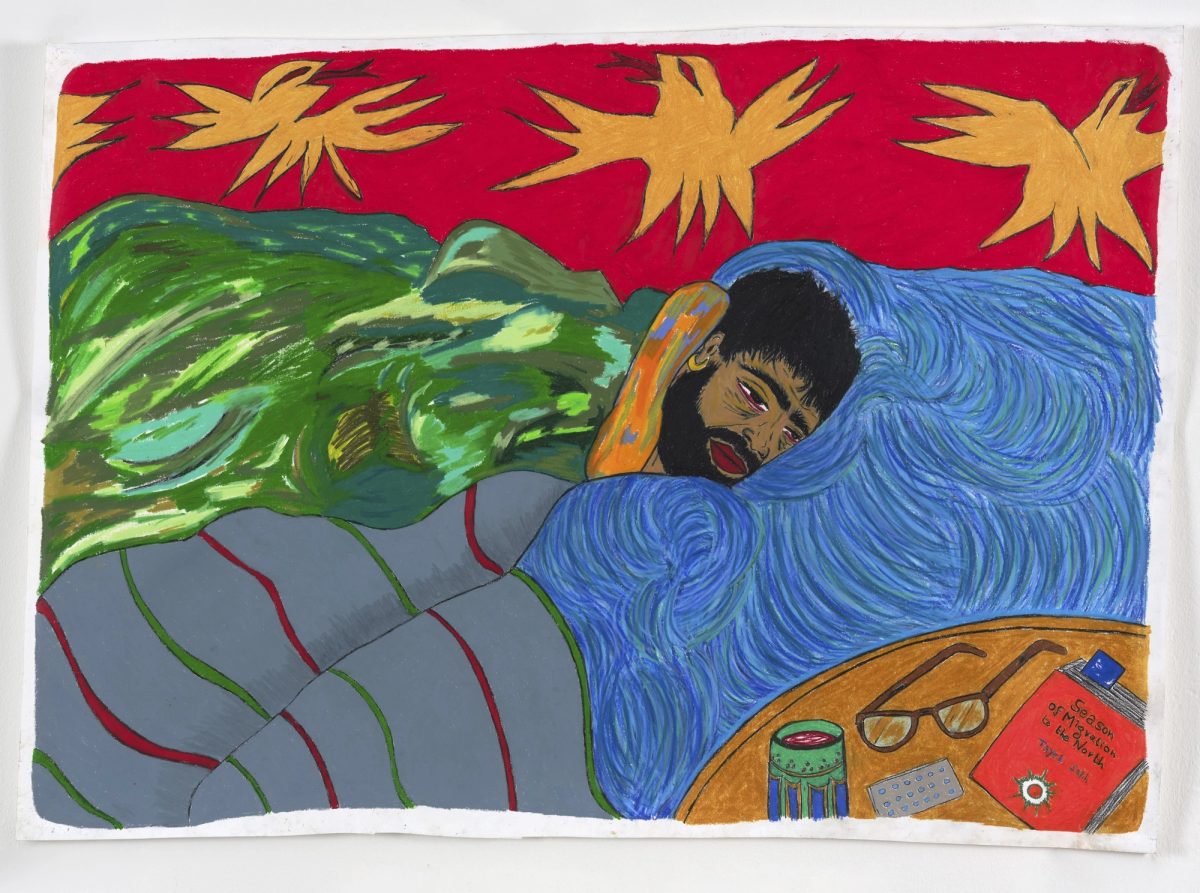
Soufiane Ababri’s first solo exhibition in Cologne brings the intimacy of his Bedworks drawings into a new setting. Titled The Alis’ Narrative, after Fassbinder’s Ali: Fear Eats the Soul, the exhibition explores migration, belonging and everyday encounters through coloured-pencil drawings that draw on personal experience, cinema, literature and queer histories.
Ababri makes these works while lying in bed, turning a private space into a place of artistic production. Here, framed drawings appear alongside new works drawn directly onto wooden folding screens, extending that domestic setting into the gallery. For collectors interested in figurative drawing and works on paper, the exhibition offers a chance to follow his practice across different surfaces. The reception on Friday 6 November makes it an easy evening stop after the fairs.
The exhibition is also an opportunity to discover Dittrich & Schlechtriem’s recently opened Cologne space. Established in Berlin in 2011 by Lars Dittrich and André Schlechtriem, the gallery began with a solo exhibition by Julian Charrière and has developed a programme centred on conceptual contemporary art, with artists including Zuzanna Czebatul, Andrej Dúbravský and Ababri.
Its Cologne gallery opened in September 2026 at Roonstraße 108, in the premises previously occupied by Gathering. Running alongside the Berlin programme, it builds on the gallery’s relationships across the Rhineland, giving visitors a reason to return beyond art week.
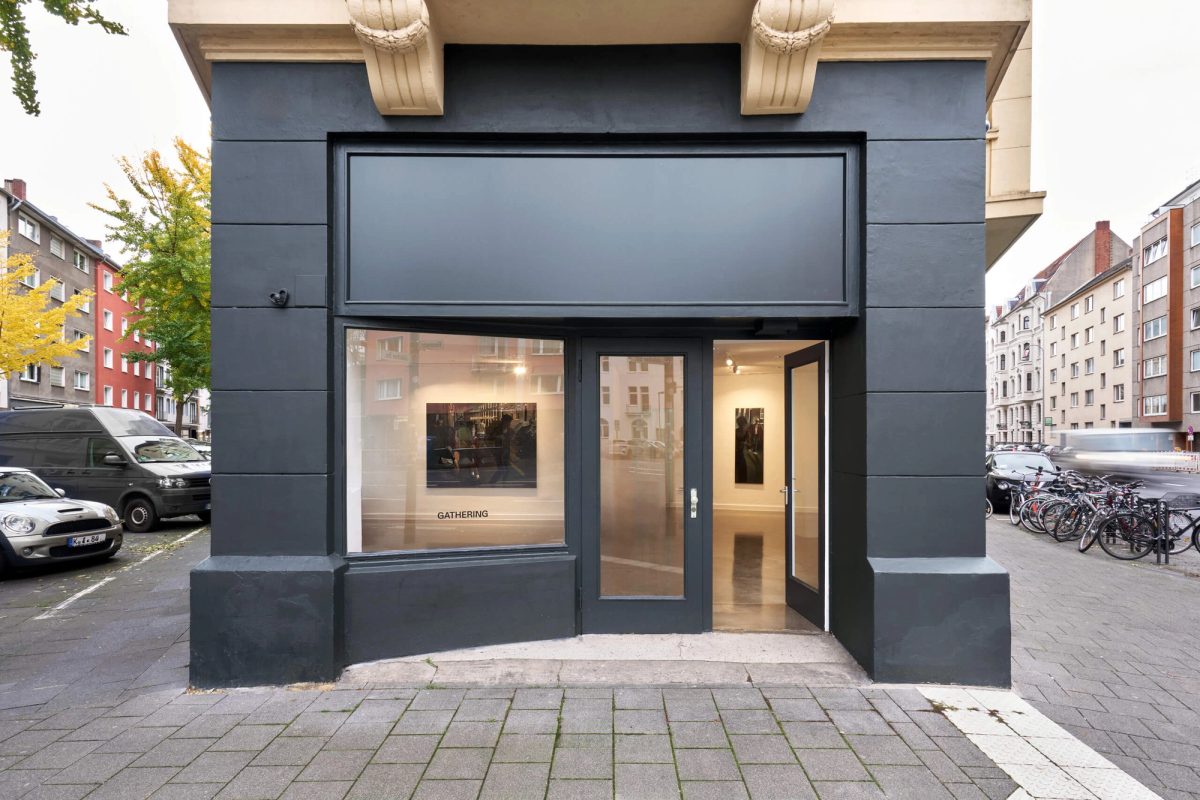
6. Louise Bourgeois at Galerie Karsten Greve
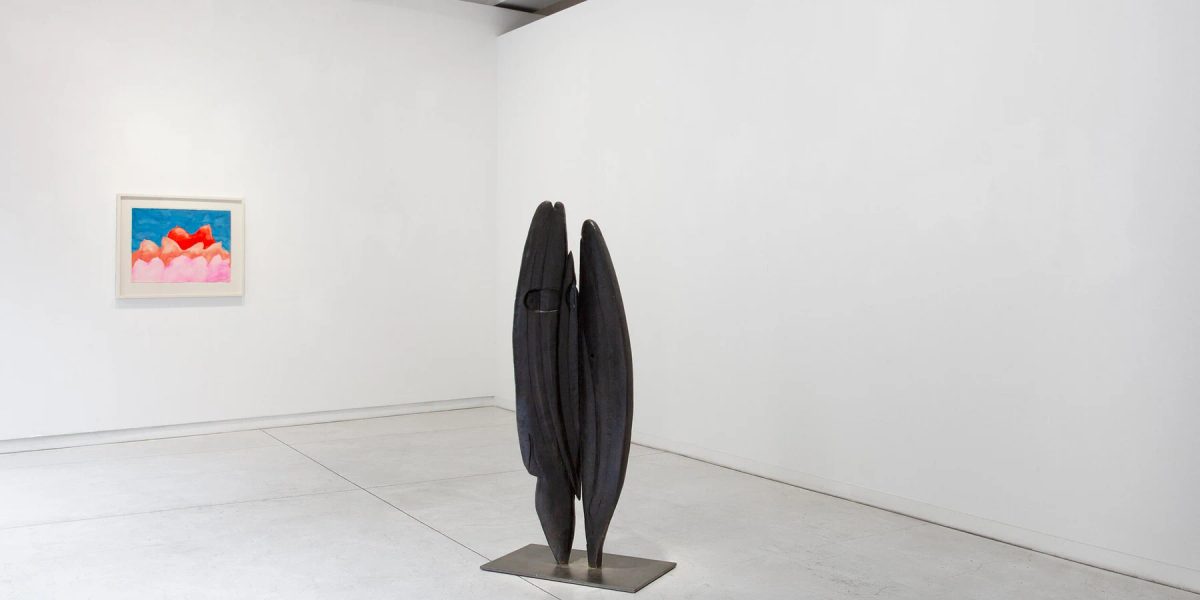
Approximately 50 works made between 1947 and 2008 bring several decades of Bourgeois’s practice into conversation. The exhibition offers an opportunity to look beyond individual signature works and follow her recurring concerns with the body, memory and human relationships across different materials.
For anyone drawn to Bourgeois’s emotional directness, the relationship between sculpture and graphic work is a particular reason to visit. Seeing these works together can reveal how an image or psychological tension returns in another form over time.
On Saturday 7 November, the gallery also participates in Museumsnacht, opening 18:00–01:00, with a guided tour by Sprengel Museum curator Johanna Adam at 20:00. Museumsnacht admission conditions apply.
7. Jadé Fadojutimi at the Michael Horbach Foundation
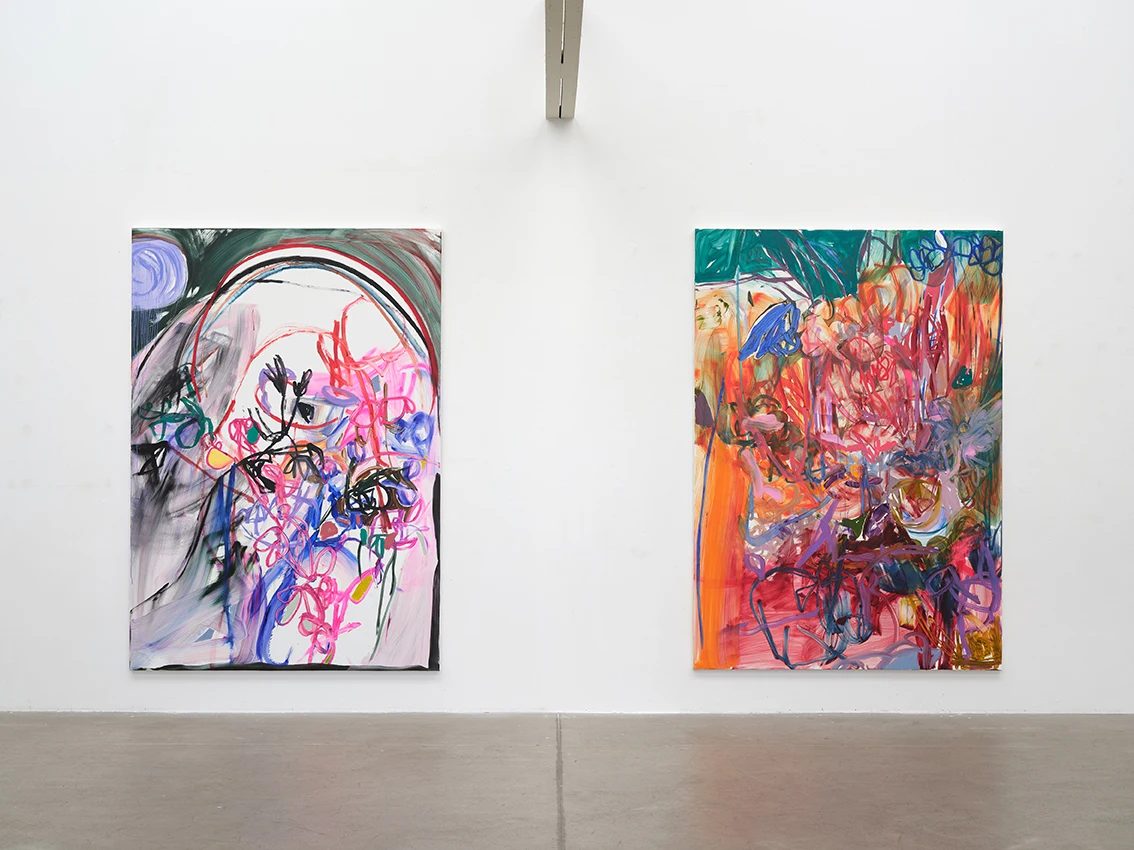
Presented by Galerie Gisela Capitain, Can We See The Colour Green Because We Have a Name For It? Chapter I brings together paintings, drawings and a newly developed soundscape. Colour becomes a way of exploring memory, perception and our relationship with the environments around us.
The sound works make this especially rewarding as an exhibition visit. They extend the experience of the paintings through another medium, inviting attention to layers, rhythms and sensations that emerge over time. For visitors interested in contemporary abstraction, this is an opportunity to encounter a wider artistic practice around the canvas.
The exhibition takes place at the Michael Horbach Foundation in Südstadt, rather than Capitain’s central gallery addresses.
Also on our radar…
Anna Virnich at Drei
Nothing more, No thing less runs from 30 October to 19 December at Drei on Gertrudenstraße. Virnich works with stitched fabrics, transparency and surfaces that suggest skin. Her practice gives textiles a bodily tension that makes this a worthwhile detour for anyone whose eye usually goes straight to painting. Look closely at how the material is joined, stretched and allowed to show through.
Ser Serpas at Kölnischer Kunstverein
Ser Serpas makes sculpture from objects found on the street, stacking and compressing discarded things into arrangements that can later be dismantled. There is a punk sensibility to her movement between sculpture, painting, poetry and performance. Her exhibition sonderbare Tage runs until 13 December at Hahnenstraße 6. Stay for the concurrent The Leatherman, which brings theatre, costume and queer self-invention into the same building.
Ani Schulze and Isabel Nolan at Sankt Peter
Greige Ghosts opens on Friday 6 November at 17:00 inside Kunst-Station Sankt Peter. Schulze and Nolan insert sculpture, painting, photography and drawing into the church, echoing its furniture and grey-beige surfaces while drawing on ghosts, rituals and the work of Paul Thek. The setting gives the work something to interrupt and inhabit. For an opening that feels different from another white gallery room, this is an intriguing Friday stop. Enter from Leonhard-Tietz-Straße 6.
Planning your visit
When is Cologne Art Week 2026?
Our guide covers 2–8 November 2026, with the main fairs and satellite programmes concentrated towards the end of the week. Each organiser sets its own dates, hours and admission conditions. See the complete programme
Do I need tickets or a VIP pass for Cologne Art Week?
You can visit Cologne Art Week without a VIP invitation. Art Cologne sells tickets for its public days, while its preview requires an invitation. Museums, galleries and satellite events set their own admission conditions, so a fair ticket does not automatically cover other venues. Check each organiser’s official site for tickets, registration and any separate evening events.
Can I combine Art Cologne with Museumsnacht?
Kölner Museumsnacht runs on Saturday 7 November, 18:00–01:00. A ticket partnership allows Art Cologne visitors to obtain a separate free Museumsnacht ticket. Museumsnacht ticket holders can obtain a separate fair ticket for Saturday 16:00–19:00. Complete the required ticket exchange before admission.
Where can I find the complete Cologne Art Week programme?
The full selection of fairs, exhibitions and gallery visits, with opening-day markers, venue addresses and official links, is available at Cologne Art Week. Confirm final opening hours and admission conditions with each organiser. Explore Cologne Art Week
This is only a small selection of what Cologne has to offer during Art Week. If you find yourself hungry for more, explore the galleries, exhibitions and full programme at Cologne Art Week.