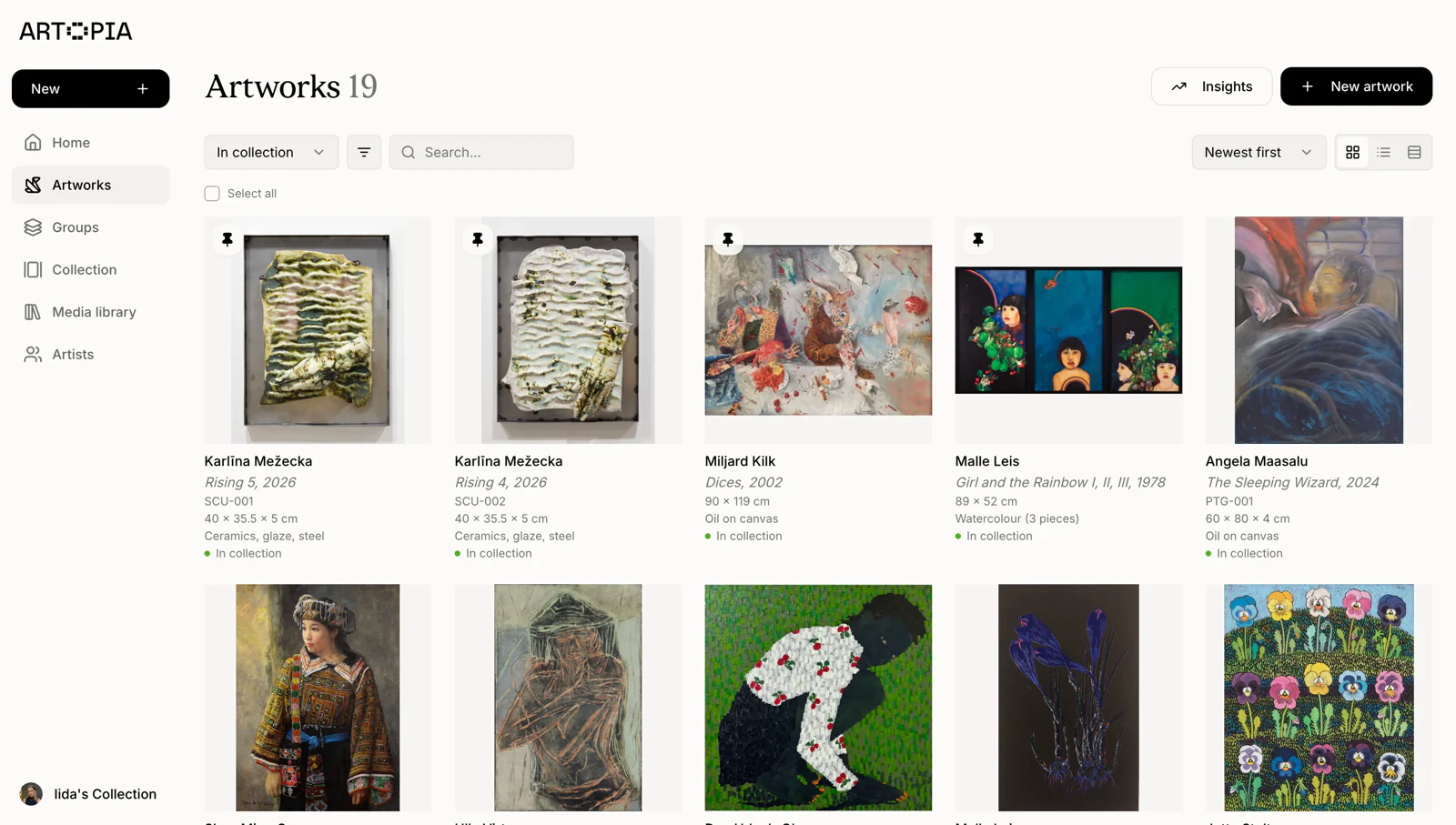
In summer 2026, the team behind Artopia, our art collection management platform, joined the second cohort of Ruum Tallinn’s summer residency. Over six weeks at Krulli kvartal, the programme brought together 27 teams at the outset, growing to 28 by the end, with founders and builders working across a wide range of fields. The aim was to create an environment for intensive building, testing and growth.
Six weeks at Ruum Tallinn
Ruum is a hackerspace and community hub in Tallinn, giving the next wave of builders a place to work on technically unsolved problems. It brings together first-time founders, experienced builders and domain experts, giving teams the space to build, rebuild, ideate, pivot and ship.
And that is exactly what we did over the six weeks. It was an intensive period of focused work, made especially productive by having our team in one place and working towards a clear deadline. Being surrounded by teams working in fields completely different from ours sparked creativity and inspiration on more than one occasion.
What made the residency particularly valuable was its rhythm. At the beginning of each week, we set collective goals, and by Friday, we reflected on our progress during the weekly retro meetings. This structure helped us stay accountable and focused on the wider goals we had set for our time at Ruum.
Our days were divided between researching which art fairs and industry events Artopia should attend, pitching the platform for presentations and panel discussions, reaching out to collectors, auction houses and other potential partners, and continuing to build and improve Artopia itself. We also stayed in close conversation with our collectors and users, gathering feedback and using it to better understand what the platform needed. The residency gave us the time and structure to move these different areas of the business forward together.
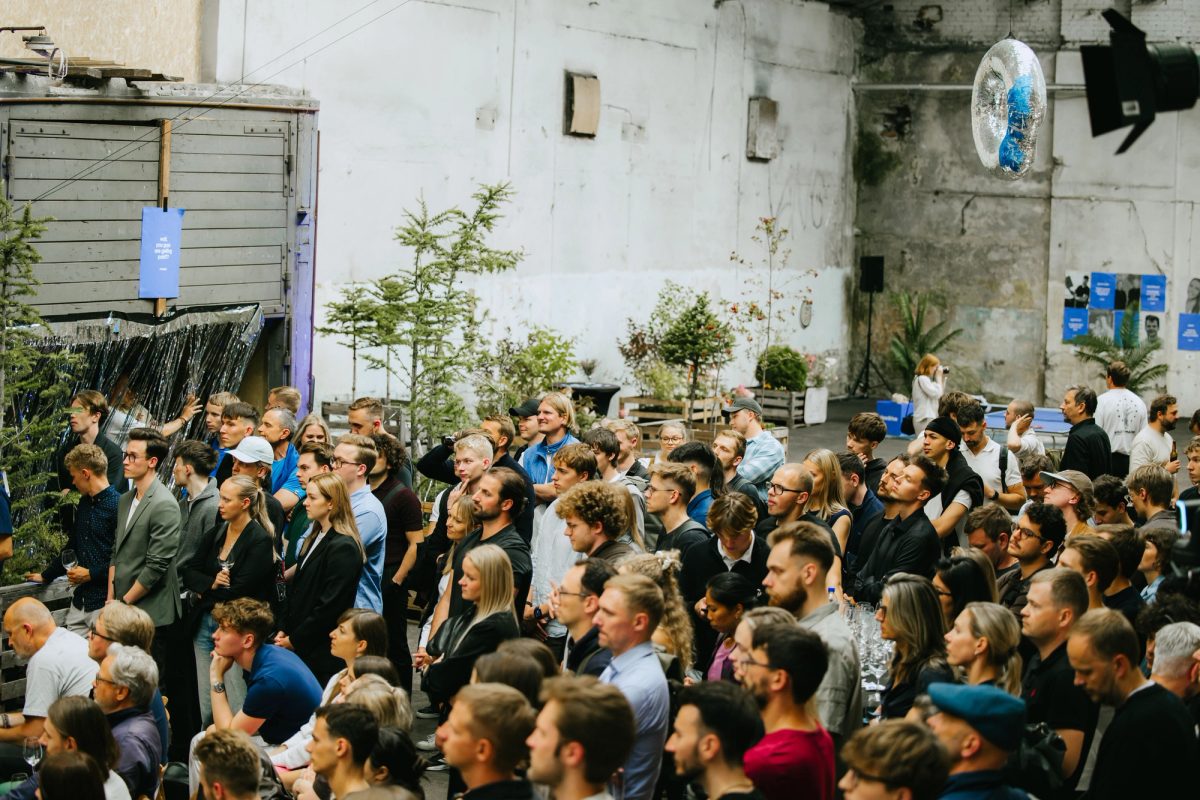
Our goals for the summer residency
So, what were our goals for the residency?
- Reach more collectors
- Acquire more paying customers
- Have more artworks added to Artopia
We are happy to say that we reached all three.
One of our most notable milestones was Estonia’s Pop and Contemporary Art Museum, PoCo, adopting Artopia for its inventory management and central source of truth, replacing scattered spreadsheets and documents. We also secured a presentation at FOTO Tallinn for its autumn programme. In addition, we built relationships with art advisors, journalists, auction houses and galleries that can support Artopia’s future growth.
Throughout the six weeks, we also took part in workshops, conversations and founder sessions with some of Estonia’s most successful founders and business leaders. The programme included a roundtable with Taavet Hinrikus, co-founder of Wise and Skype’s first employee, a conversation with Kaspar Tiri, co-founder of Ready Player Me, a financing workshop with Riivo Anton, legal support from Toomas Seppel of Hedman and a founder experience session with Martin Kõiva of Klaus.
We also heard from Janer Gorohhov, co-founder of Veriff and Roleo, Markus Villig, founder and CEO of Bolt, Sten Tamkivi, partner at Plural and Skaala, Martin Sokk, co-founder of Lightyear, and angel investor Triin Hertmann. Kaja Aulik led a workshop on using social media, while Ann Kaer photographed the teams.
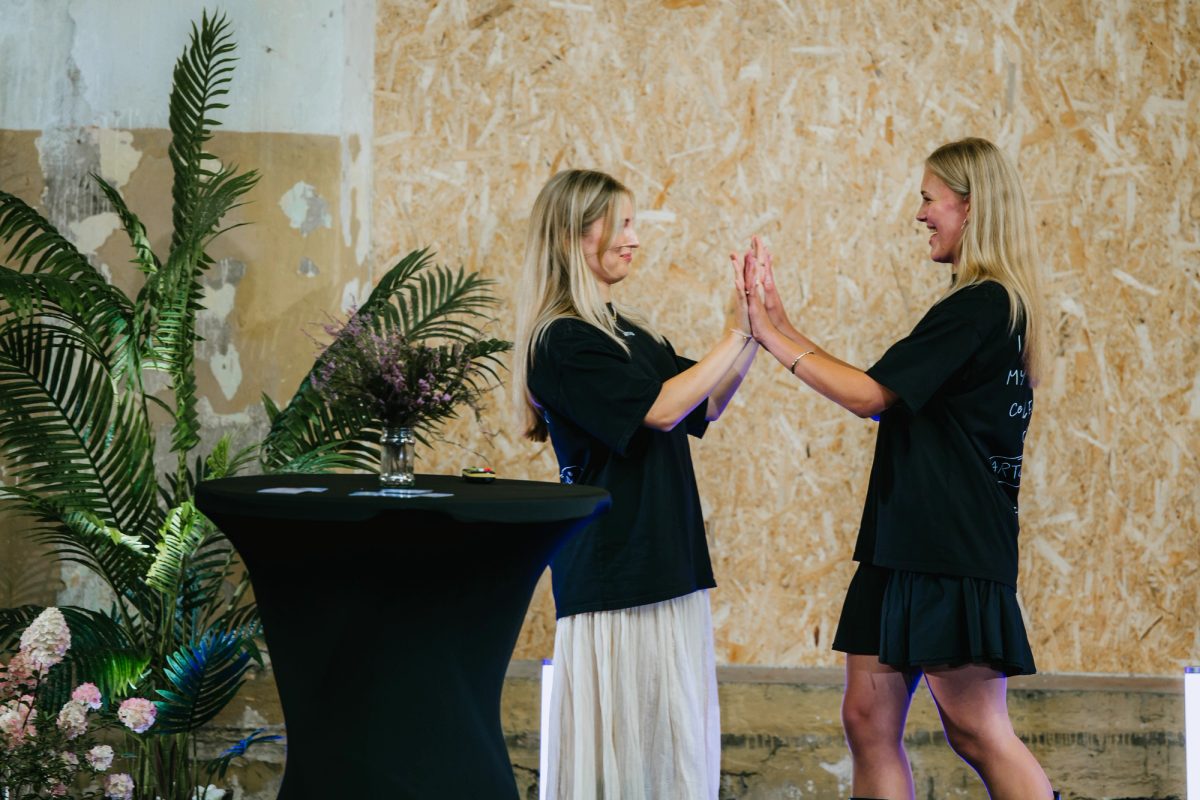
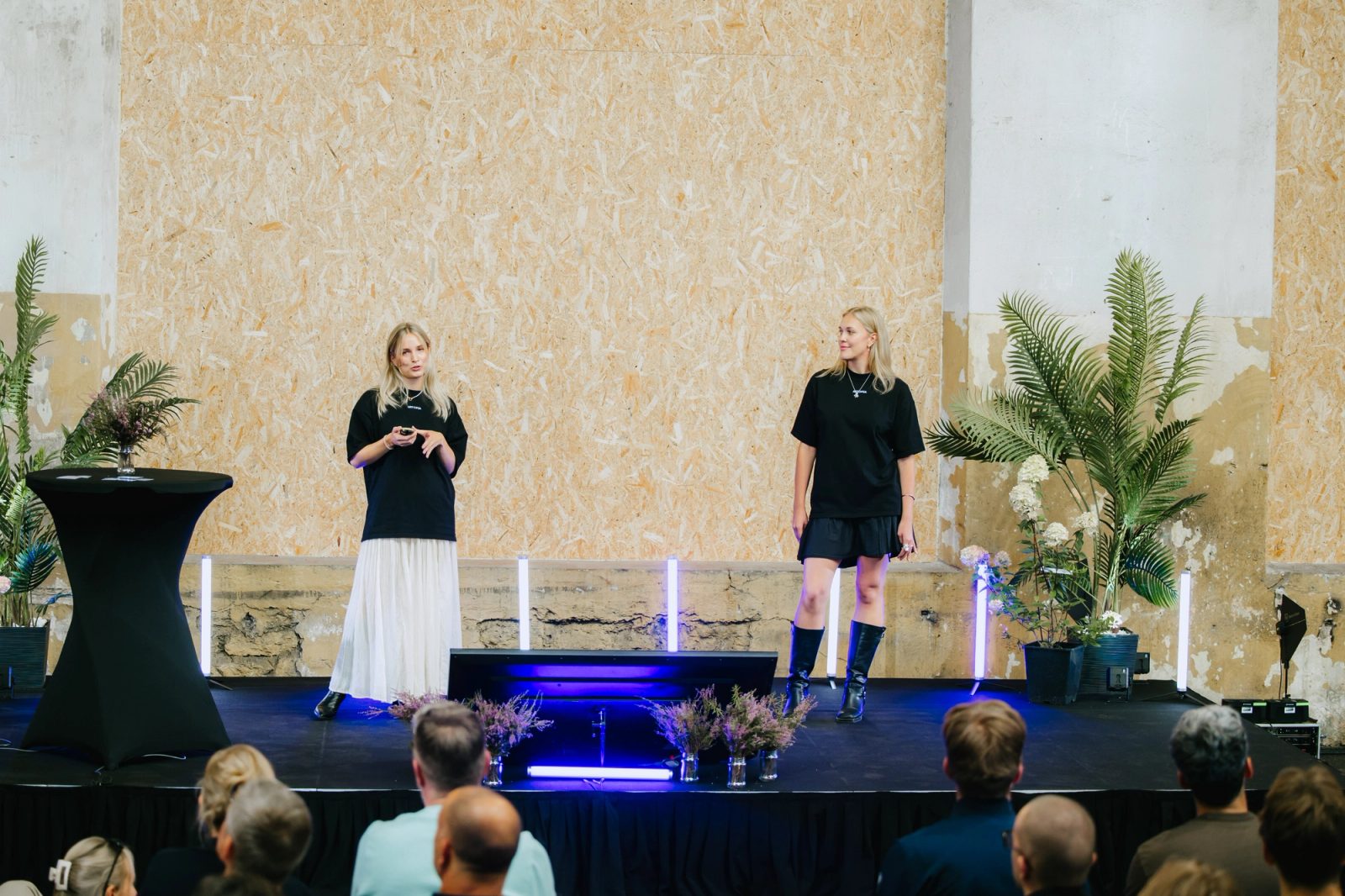
Presenting Artopia at demo day
By the end of the programme, we were delighted to be chosen as one of six teams to present in front of an audience of Estonian investors, founders and members of the tech community at demo day. Alongside Artopia, the other five teams were Skillcard, Display.dev, Hivemind, JuvoLegal and Robots in Construction (RIC). We presented a three-minute pitch about our time at Ruum and received a warm response from the audience.
It was a celebratory end to the six weeks, but also a reminder that we were leaving Krulli kvartal with more than progress towards our original goals. We were also taking with us a new network, a supportive community and the energy that comes from building alongside other passionate founders.
Our pitch, alongside those of the other five teams selected for demo day, was later featured in Fomo Observer.
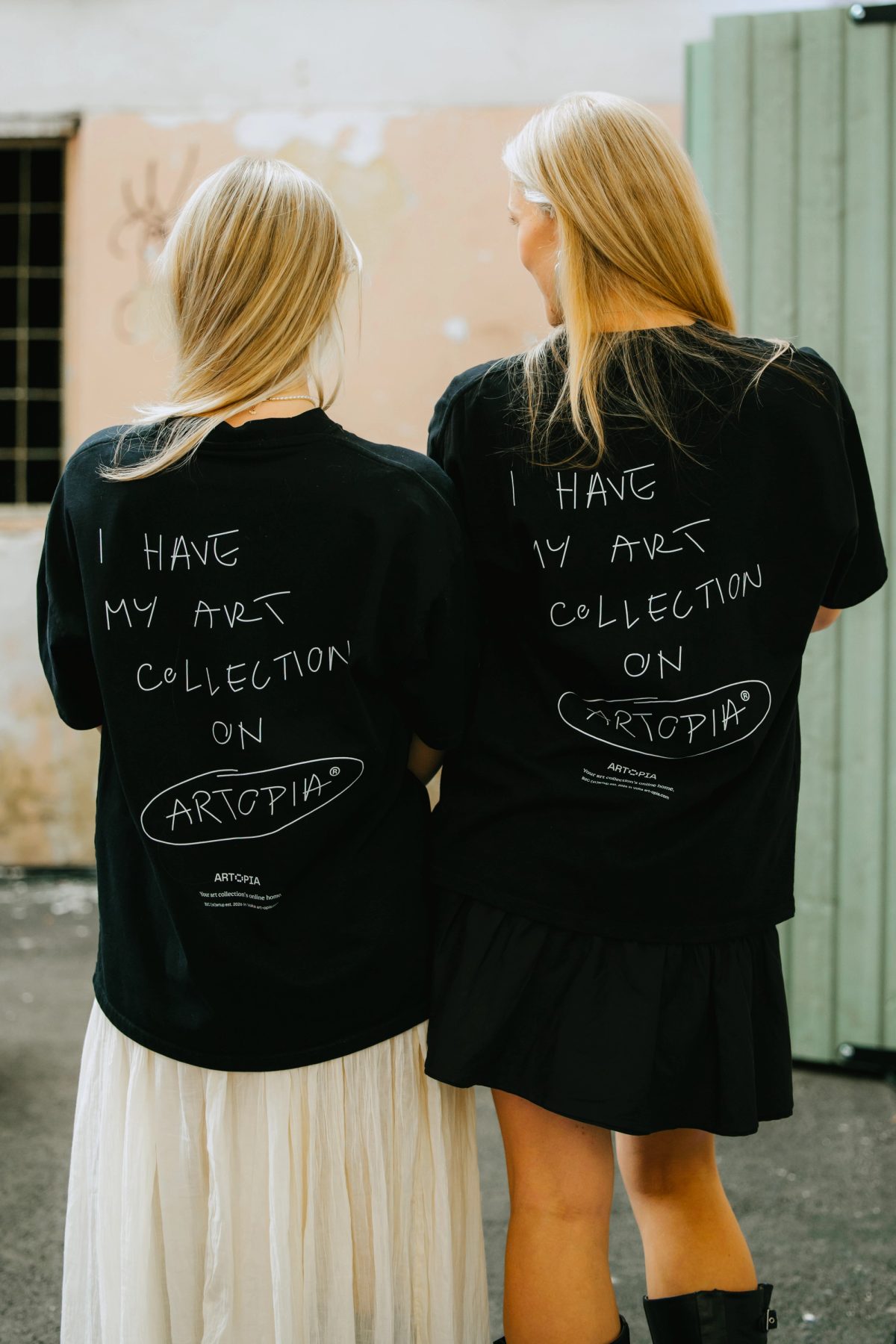
One of the more unexpected highlights was that our T-shirts became popular among our fellow Ruumers. By the end of the residency, Artopia had developed something of an unofficial Ruum uniform.